
Investigaciones ZamoCiencia

Zamorano in Science

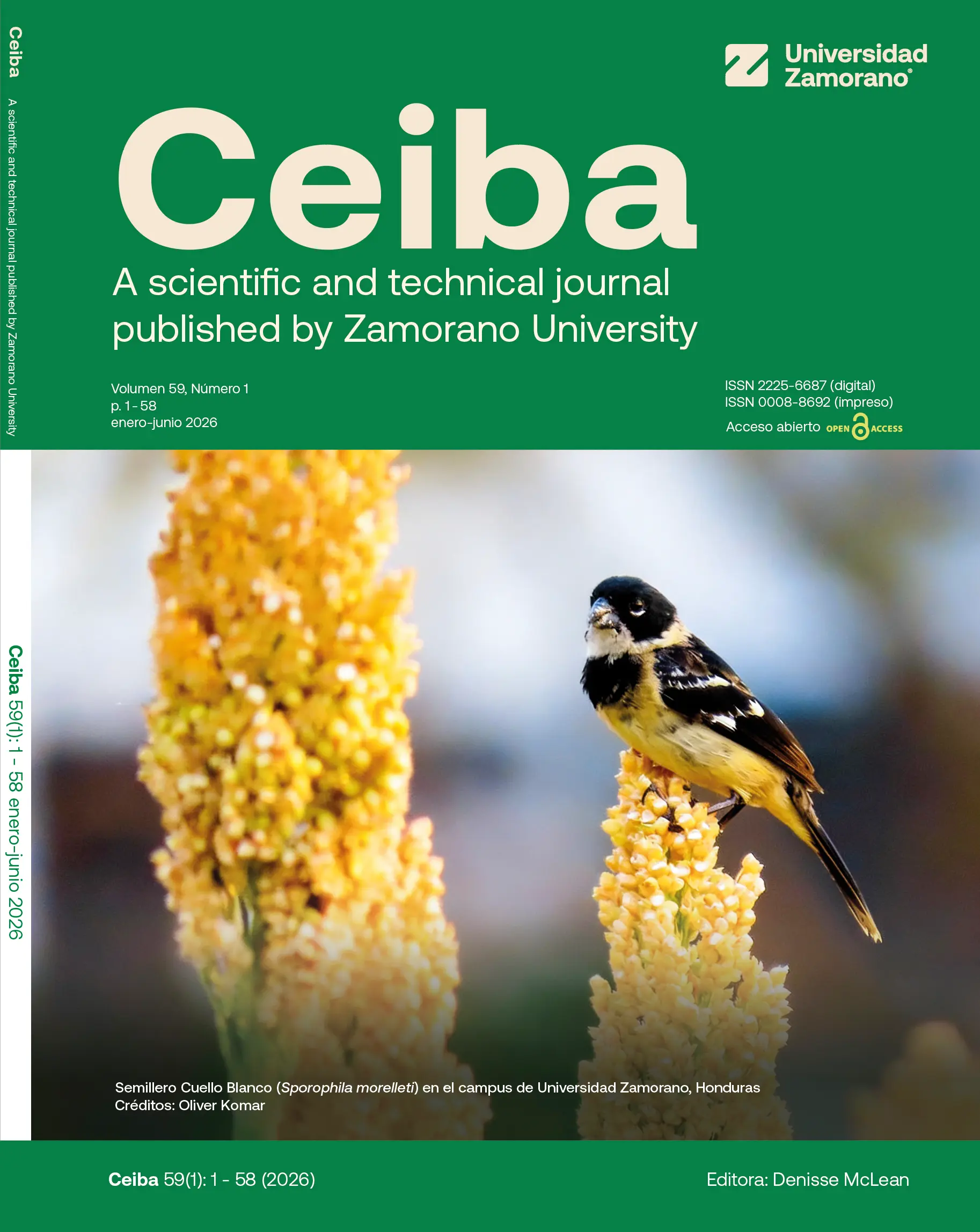
New Issue of the Ceiba Scientific Journal

Zamorano presents the latest issue (Vol. 59, No. 1, 2026) of its scientific journal, *Ceiba*, featuring articles that address concrete challenges in the Latin American region from different perspectives, ranging from the use of agricultural waste to biodiversity conservation and food security.

Read more

Exploring Improved Bean Variety Seed Systems in Central America

Beans are one of the most important foods in the diets of Central America and Haiti. For decades, agricultural research programs have worked to develop improved varieties that are more resistant to pests, diseases, and climate change. However, ensuring that these varieties reach farmers does not automatically guarantee better harvests.

Read more

Can Artificial Intelligence Anticipate the Biological Control of Agricultural Pests?

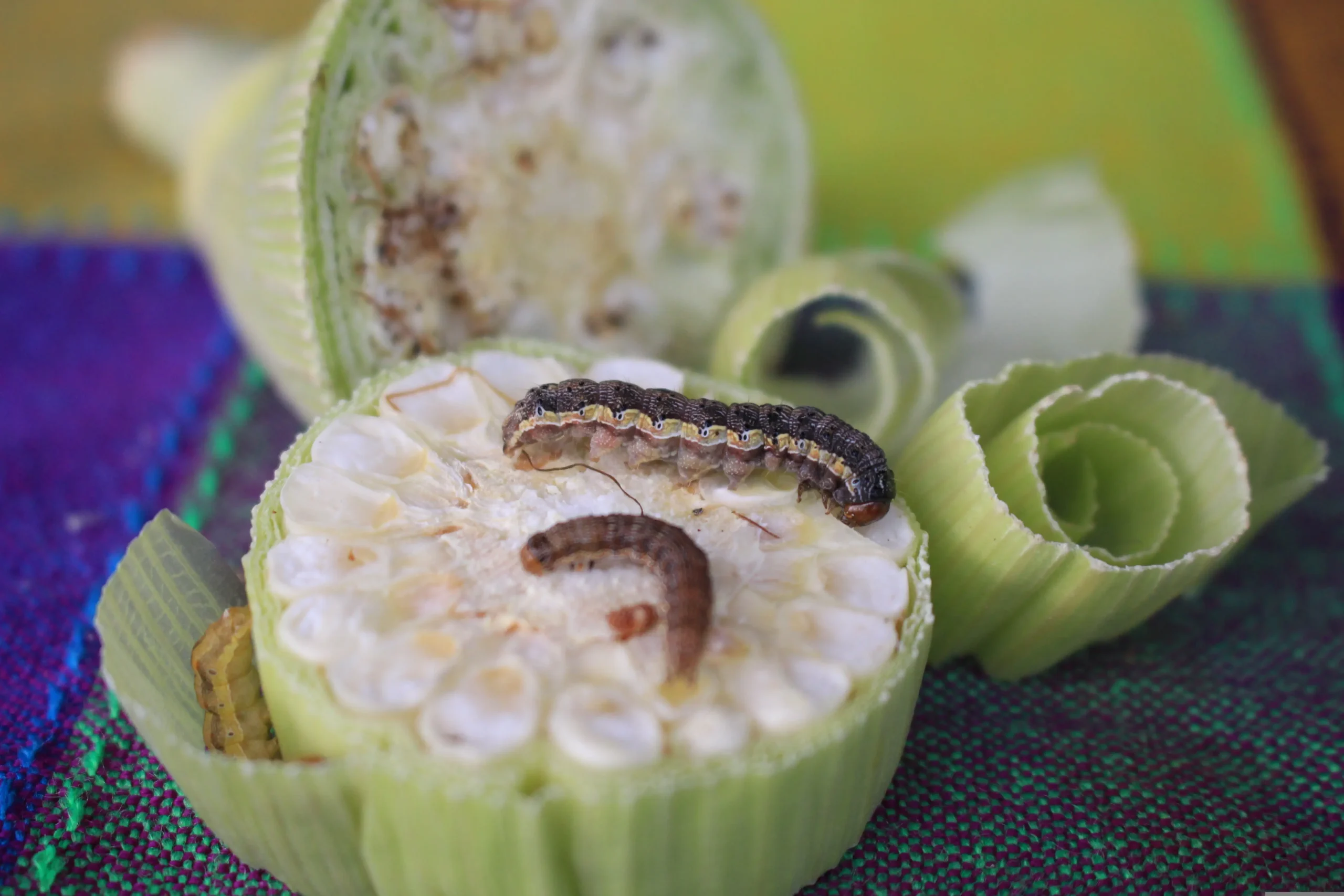
The fall armyworm (Spodoptera frugiperda) is one of the most damaging pests affecting maize crops worldwide. Its control depends largely on natural enemies such as parasitoid wasps, fungi, and other beneficial insects. Compiling and continuously updating all available scientific knowledge about these natural allies is an enormous task, because the information is constantly published across a wide range of journals worldwide.

Read more

Researchers Track Chagas Disease Vectors in Central America

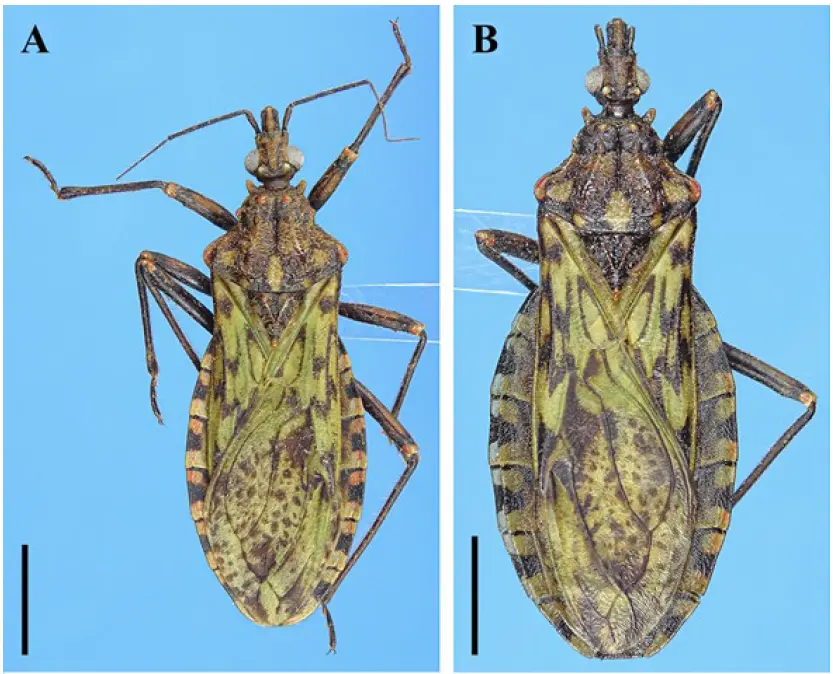
Chagas disease remains a public health concern in Central America. It is transmitted by insects known as triatomines, commonly referred to as “kissing bugs.” Despite the importance of the disease, significant knowledge gaps remain regarding which species of these insects are present in each country and which areas pose the greatest risk to rural communities.

Read more

Educators Document Best Practices in English Language Teaching in Honduras

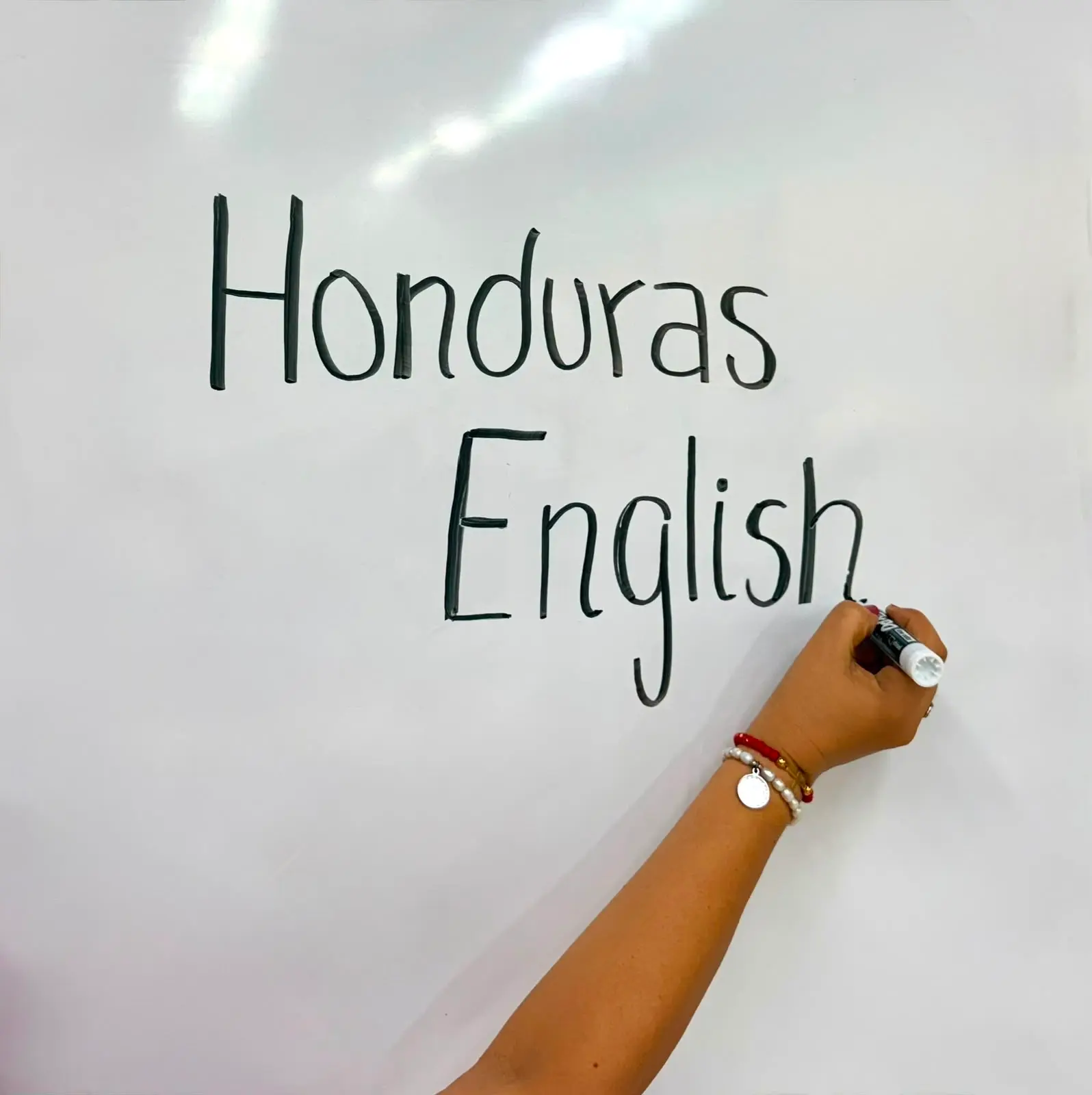
English language teaching in Honduras faces particular challenges, including limited resources, high teacher turnover, and widely varying school environments. Through a collaborative autoethnographic exercise, two Honduran educators documented the practices they developed throughout their careers, drawing from their own classroom experiences to respond to these challenges.

Read more

Nutrition Education for Breastfeeding Mothers in Rural Communities of Honduras

A team of researchers from Zamorano implemented and evaluated an educational intervention for breastfeeding mothers and their babies in semi-rural communities in the municipality of San Antonio de Oriente, Francisco Morazán, Honduras. The purpose of the study was to determine whether access to appropriate nutritional information could lead to concrete improvements in the diets and health of mothers and children.

Read more

Nutrition Education for Breastfeeding Mothers in Rural Communities of Honduras

A team of researchers from Zamorano, in collaboration with the University of Buenos Aires, assessed food security and the nutritional status of the Lenca population—one of Honduras’s Indigenous groups—in the municipality of Intibucá. The study identified how different nutritional challenges coexist within the same community, an issue that, until now, has been scarcely documented among this population and in Honduras.

Read more

Transit Migration: Understanding People’s Decisions

Migration in Central America is an increasingly visible phenomenon, yet it is still not well understood from the perspective of people in transit. Beyond the numbers, each decision to migrate responds to a combination of personal, economic, and social factors that intertwine in contexts of uncertainty. Understanding these motivations is key to designing more effective and humane social responses to this regional challenge.

Read more

Functional Foods for Maternal Nutrition During Breastfeeding

Nutrition during breastfeeding plays a fundamental role in the health of both mother and baby. However, in many contexts, the intake of key nutrients—such as essential fatty acids—is limited, which can affect the quality of breast milk and the well-being of mothers and children. This has sparked interest in developing food alternatives that are nutritious, accessible, and culturally accepted.

Read more

How Do Schoolchildren Eat in Rural Areas?

Nutrition during childhood is crucial for growth, learning, and long-term health. In rural contexts, eating habits are influenced by economic, cultural, and food availability factors. Understanding what schoolchildren eat and how their diets are structured makes it possible to identify opportunities to improve nutrition from the early stages of human development.

Read more

Insects as a Sustainable Alternative for the Food of the Future

Finding sustainable protein sources has become a priority in a world where food demand continues to grow. Insects, traditionally consumed in various cultures, are gaining attention as a nutritious and low-environmental-impact alternative. Their production requires less water, land, and feed compared to conventional livestock, positioning them as a promising option for the future of food.

Read more