
Can Artificial Intelligence Anticipate the Biological Control of Agricultural Pests?
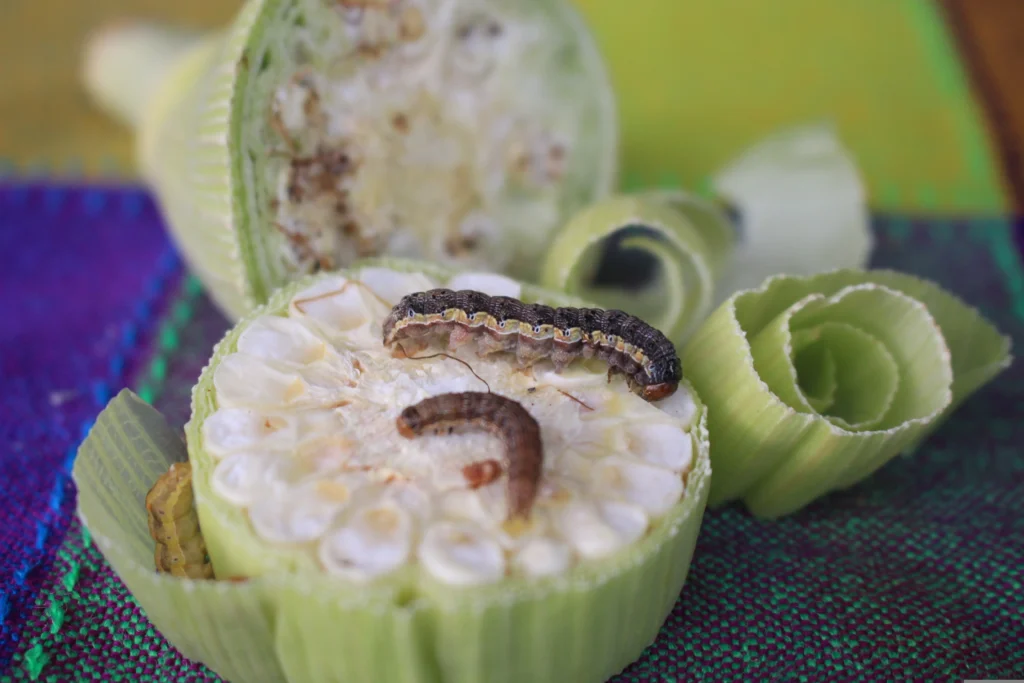
The fall armyworm (Spodoptera frugiperda) is one of the most damaging pests affecting maize crops worldwide. Its control depends largely on natural enemies such as parasitoid wasps, fungi, and other beneficial insects. Compiling and continuously updating all available scientific knowledge about these natural allies is an enormous task, because the information is constantly published across a wide range of journals worldwide.
An international group of more than 40 researchers, including participants from Zamorano, evaluated whether different artificial intelligence tools, such as ChatGPT and DeepSeek, can accurately synthesize this type of scientific information. Their results were compared with a review conducted by human specialists. The study, coordinated by the Food and Agriculture Organization of the United Nations (FAO) and published in the journal Computers Computers and Electronics in Agriculturefound that although these tools can dramatically accelerate scientific literature reviews, they still make significant errors and do not match the accuracy of human analysis.
These findings are relevant at a time when artificial intelligence is increasingly used to support agricultural decision-making. The study suggests that these tools can serve as a useful starting point, but specialist supervision remains essential to guarantee the quality of the information. The research included the participation of Engineer Rogelio Trabanino, associate professor in Zamorano’s Department of Agronomic Engineering.
For more information:
rtrabanino@zamorano.edu
(Image by Pixabay)
 English
  Spanish