
Learn-by-Doing Program: Second Year
This approach is reflected in the motto adopted from the institution's inception: Learning-Doing, encapsulated in the Latin expression "Labor Omnia Vincit" (Work Conquers All).
Since its inception, Zamorano has been guided by the constructivist approach in its educational model, led by Wilson Popenoe, our first director. This theory of learning holds that our students construct knowledge through direct experiences, hands-on work, and social interaction with their environment.
The emphasis on experiential learning allows not only to acquire knowledge, but also to develop values and skills in an active way, either individually or in collaboration with others.
This approach is reflected in the motto adopted from the institution's inception: Learning-Doing, encapsulated in the Latin expression "Labor Omnia Vincit" (Work Conquers All).
A-Transversal Knowledge Modules
They are the basis for the different value chains, offered by specific departments and applied along them.
B-Value Chain Modules
They are part of the value chains and are offered by the corresponding departments according to their areas of focus.
C-Integral Modules
Value chains conclude their last step and prepare to offer and manage products in the market.
Module: Agroecology
Description and general objective of the module:
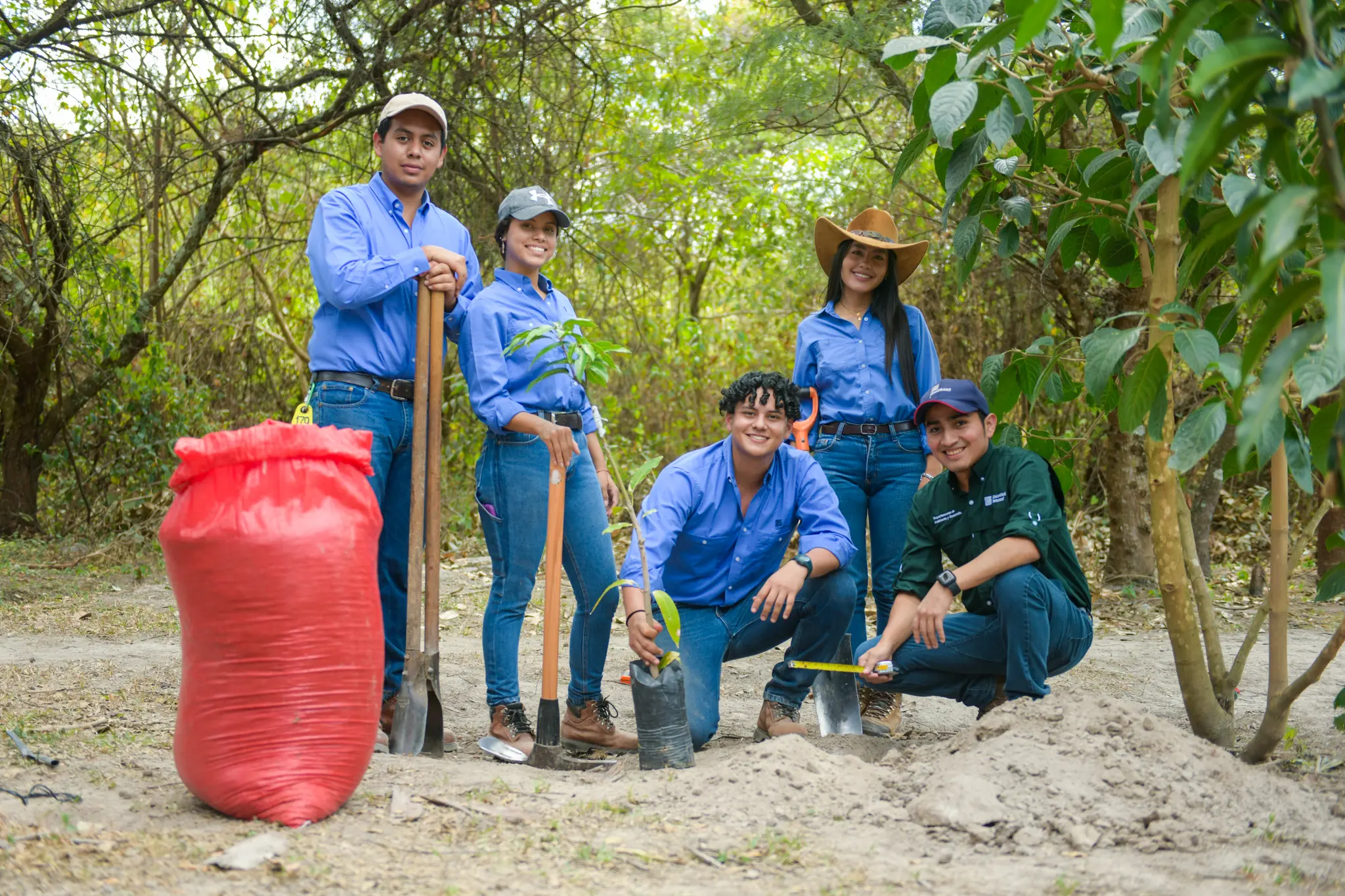
This module addresses agroecosystem management based on the principles of agroecology, with practices that promote the responsible and efficient use of resources and strengthen students’ communication in different settings.
- Implement sustainable practices in agri-food systems, promoting the responsible and efficient use of resources (Sustainability).
- Communicate in diverse academic, social, and cultural settings (Communication).
Module: Geographic Information Technologies
Description and general objective of the module:
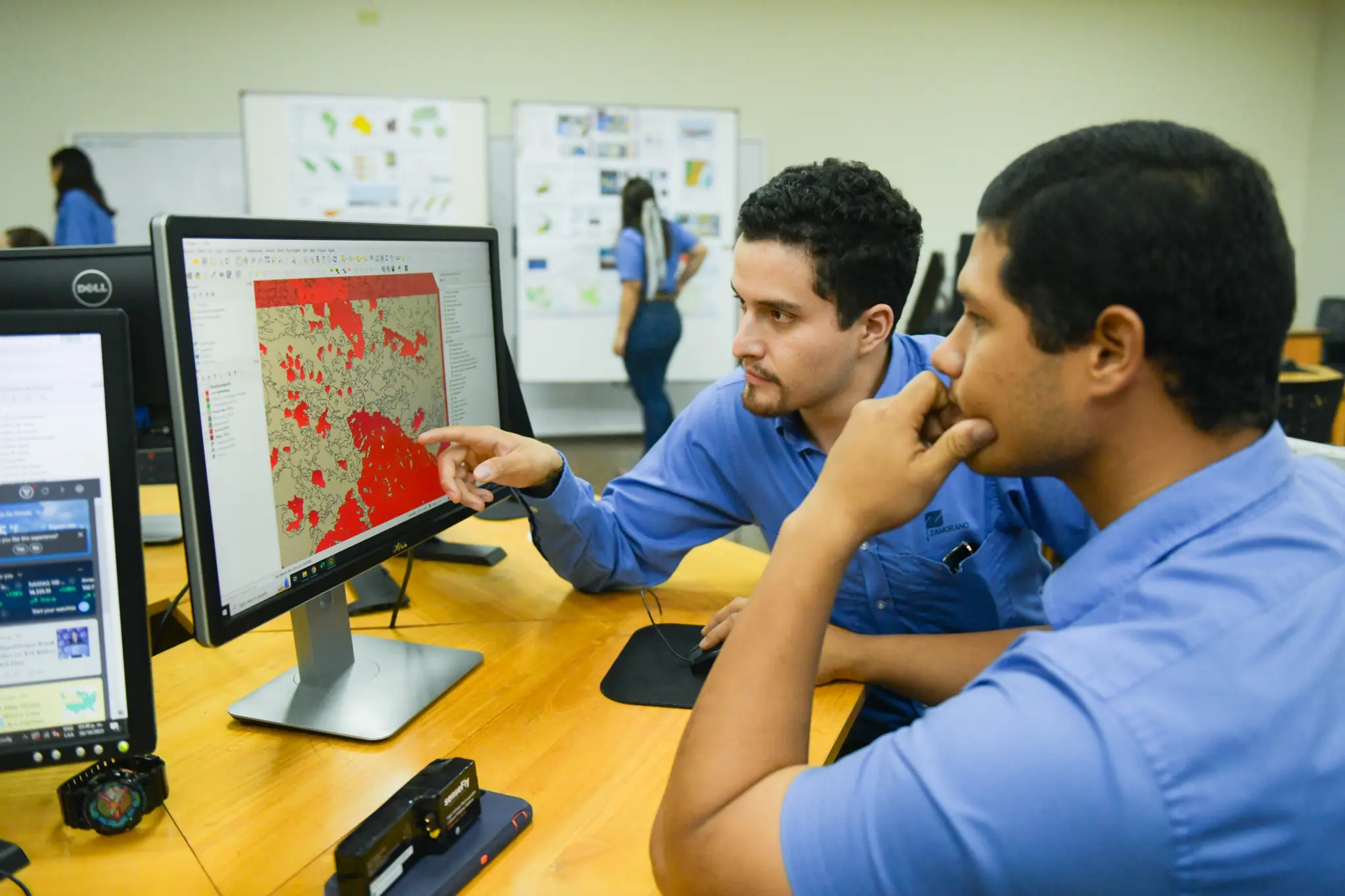
Throughout this module, students learn to use surveying tools, geographic information systems (GIS), and drone-based remote sensing applied to agriculture and natural resource management. They also develop skills in field data collection, drafting plans in AutoCAD, and producing maps with QGIS. The module also promotes the interpretation and analysis of spatial information for decision-making in agriculture and resource planning.
- Apply basic surveying and GIS concepts in field and laboratory practices.
- Use software tools to process surveying and geographic data.
- Relate surveying and GIS applications to agriculture, natural resource management, and markets for decision-making.
Module: Plant Protection
Description and general objective of the module:
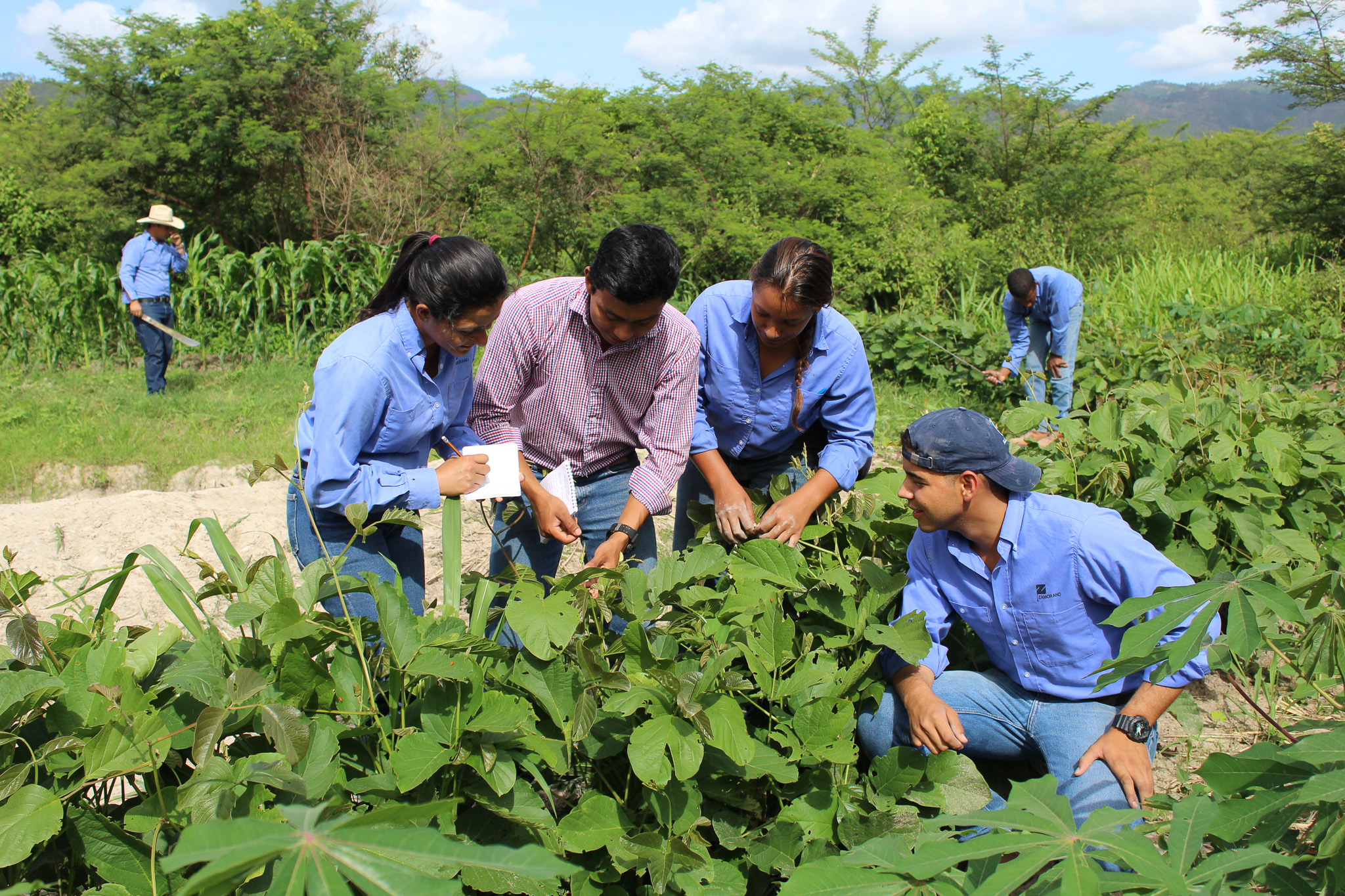
Students monitor pests and diseases in vegetable crops and learn the safe use of application equipment and agrochemicals for their management, from personal protective equipment to reading labels.
- Correctly use personal protective equipment in all activities involving agrochemicals in order to make safe and effective applications.
- Monitor vegetable crops in the field, applying safe and sustainable actions for decision-making in pest and disease management.
- Interpret information that accompanies agrochemicals for their correct use and management in applications.
Module: Extensive Olericulture
Description and general objective of the module:
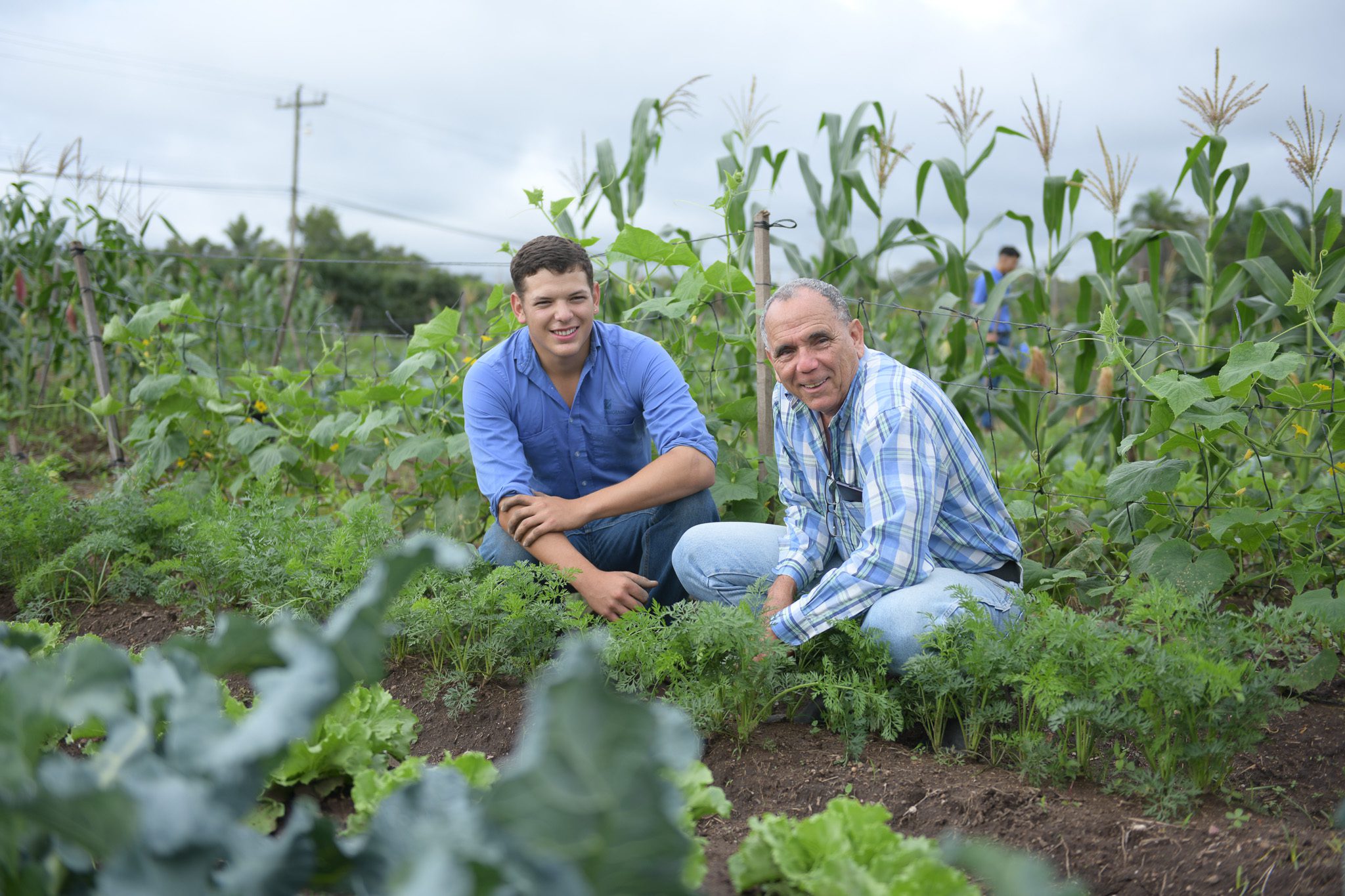
This module covers open-field vegetable production processes, with an emphasis on transplanting to obtain quality seedlings and on the manual, cultural, mechanical, and chemical control of the most common weeds in the area.
- Identify the advantages and disadvantages of transplanting by putting it into practice, in order to have quality seedlings in the field and achieve growth consistent with their genetic traits for a good yield.
- Identify the most common weeds in the area’s vegetable crops, their growth habits, forms of reproduction, and control methods, carrying out manual, cultural, mechanical, and chemical weed removal efficiently to improve crop quality and yield.
Module: Intensive Olericulture
Description and general objective of the module:
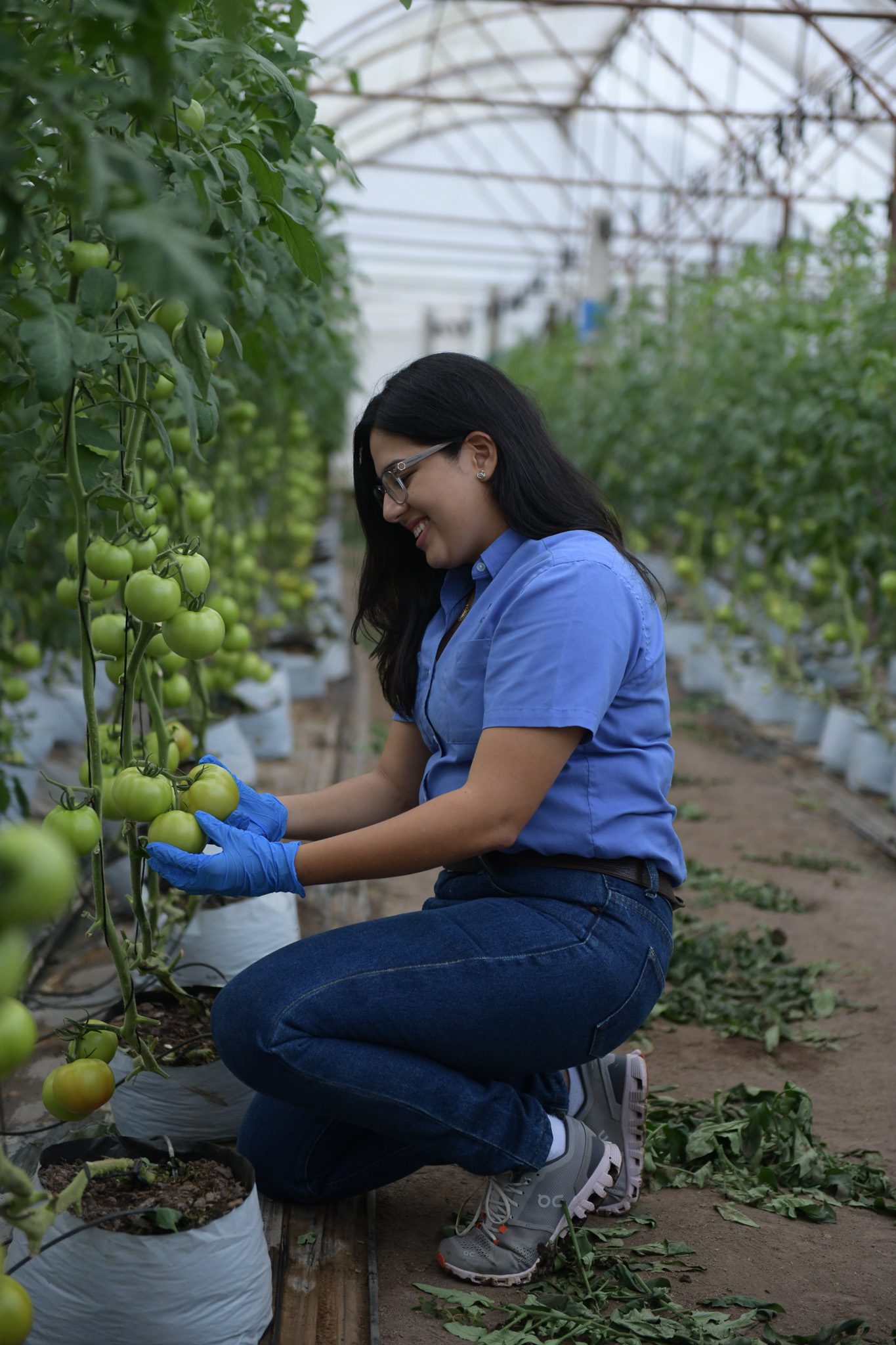
In this module, students carry out tomato and pepper production processes in greenhouses, tunnels, and shade houses: media preparation, transplanting, fertigation, staking, pruning, thinning, harvest, and grading, in compliance with food safety standards.
- Plan production and maintenance activities for vegetables in protected agriculture for optimal development, considering the principles of sustainability.
- Identify horticultural practices for managing tomato and pepper crops (pruning, sucker removal, staking, weeding, harvest, physiological measurement) using critical thinking.
- Identify aseptic practices in greenhouse crops to ensure product safety throughout the production chain, considering the principles of production.
Module: Apiculture plant
Description and general objective of the module:
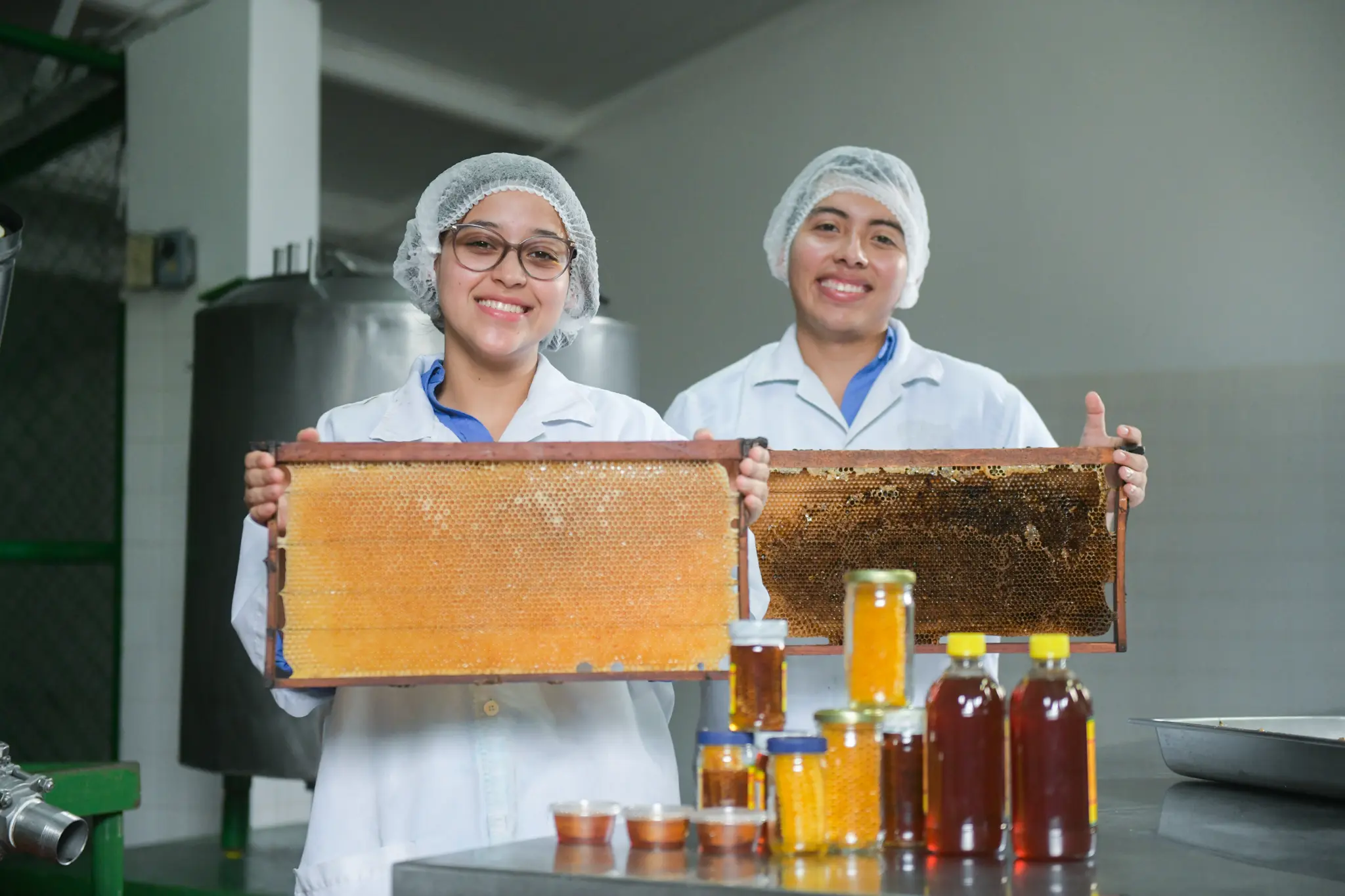
Students will work on activities related to apiary management to achieve productive hives, learning about health monitoring, queen replacement, and colony feeding. In the apiculture plant, they will work and learn about the safe processing and marketing of food for human consumption made from honey, pollen, royal jelly, wax, and propolis. At the end of the module, students will complete a project in which they demonstrate their technical and leadership skills by interpreting basic indicators to evaluate beekeeping ventures and projects.
- Distinguish the operations for setting up and maintaining apiaries to obtain highly productive hives, considering the conservation of natural resources.
- Describe the processes that bee products require to reach excellent quality and be marketed for human consumption.
- Interpret basic indicators that define the feasibility of potential sustainable beekeeping ventures.
Module: Fruit and Vegetable Plant – Postharvest
Description and general objective of the module:
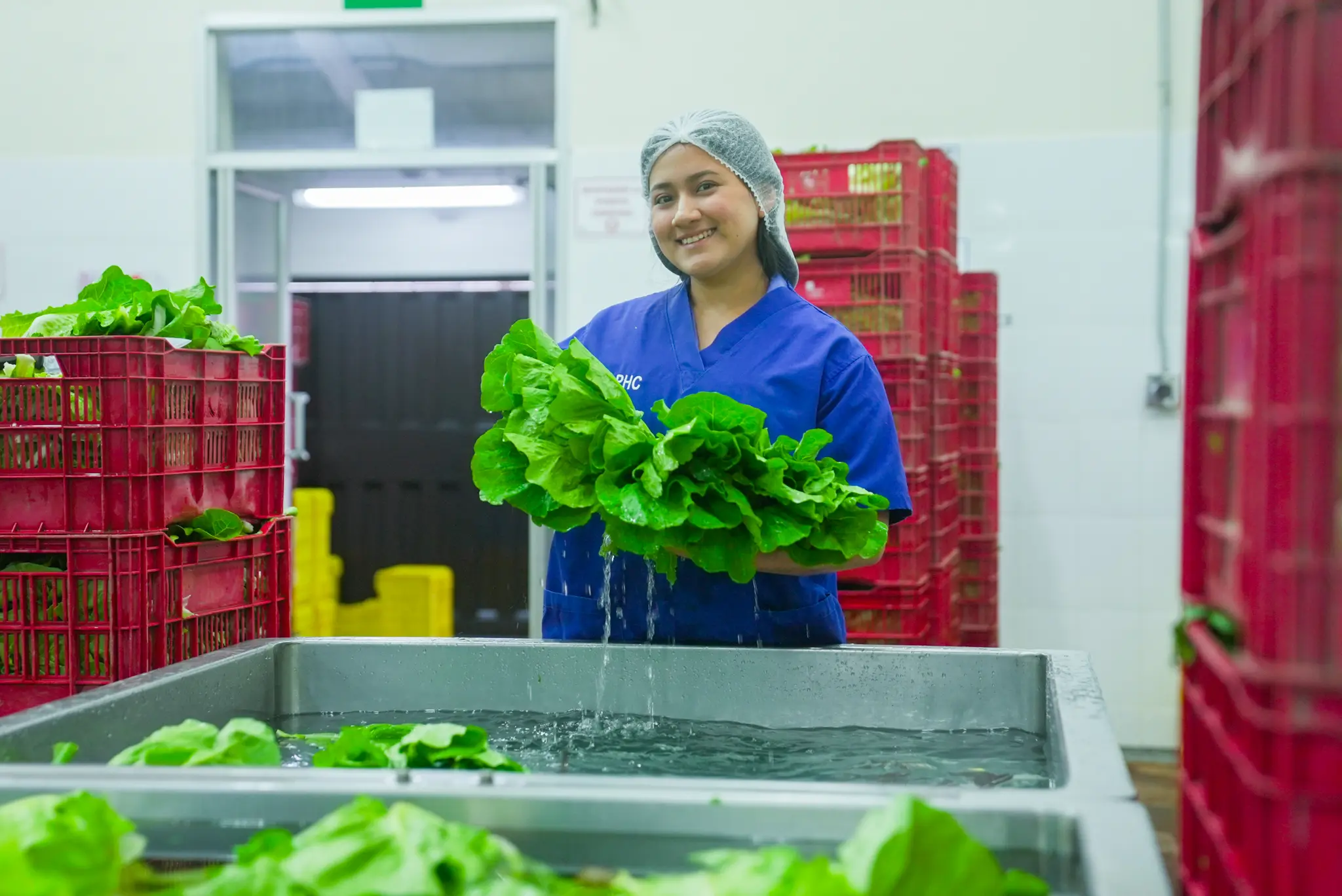
Through this module, students gain hands-on experience in the postharvest handling of fruit and vegetable products and in fermentation processes applied to high-value grains. They develop technical competencies in receiving, washing, grading, conditioning, and storing agricultural products, strengthening their practical skills in handling and preparing minimally processed products in line with quality and food safety standards.
- Apply postharvest and sanitizing processes to condition fruits and vegetables.
- Evaluate the quality and food safety parameters of fruits and vegetables, applying the standards set by emerging markets.
- Manage proper physiological storage processes for fruits and vegetables and the basics of postharvest handling of high-value grains (coffee and cocoa).
Module: Fruit and Vegetable Plant – Processing
Description and general objective of the module:
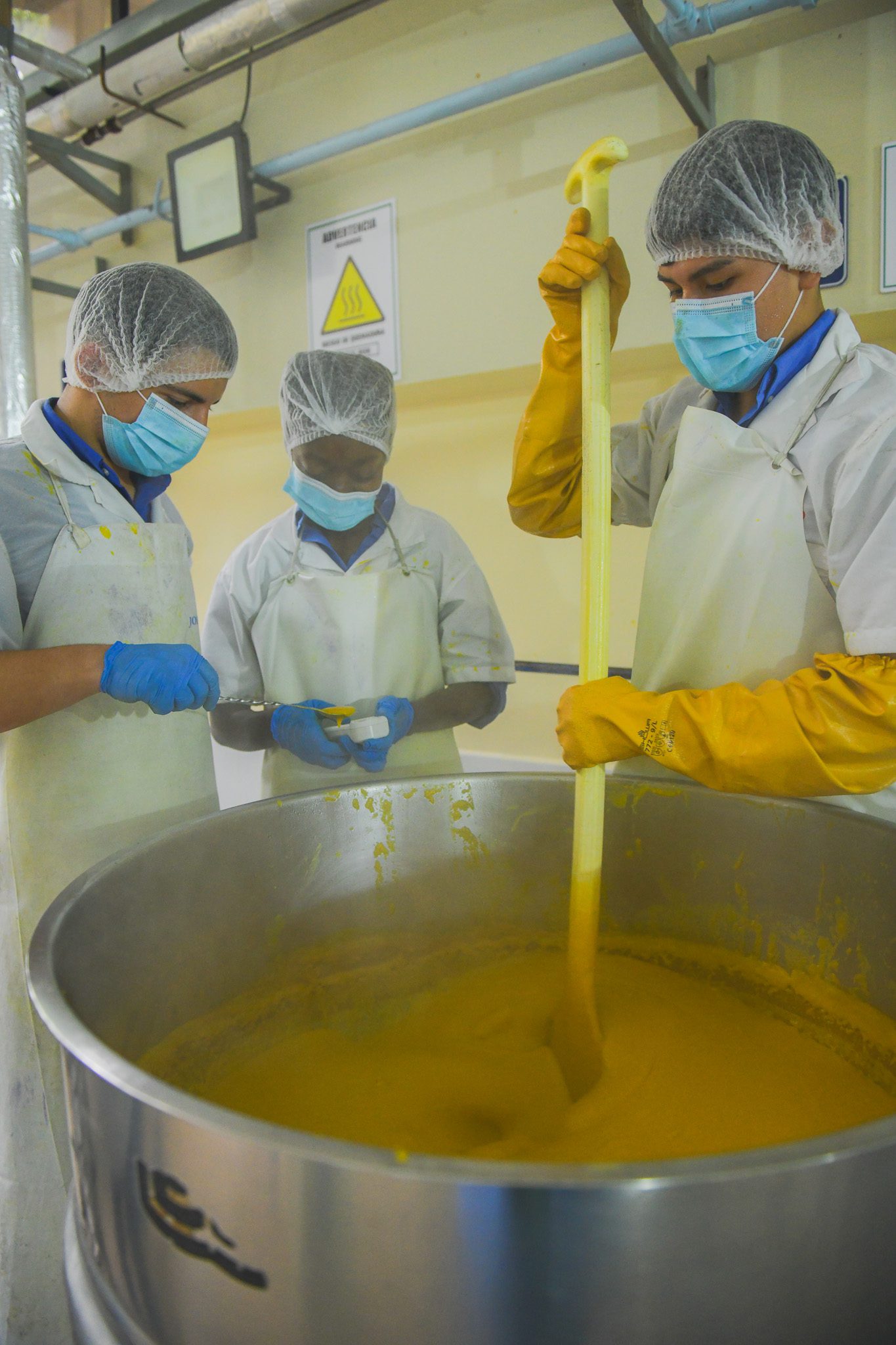
At the Fruit and Vegetable Plant, we transform fruits, vegetables, and high-value grains such as coffee and cocoa into innovative products that tap into the potential of the field and add value. Through hands-on experiences, our students take part in product development and process optimization, strengthening their competencies in agro-industrial transformation, quality, and food safety to respond to the challenges and opportunities of the agri-food sector.
- Design and develop innovative products from fruits, vegetables, and other agro-industrial raw materials, applying technical criteria for formulation, standardization, and process optimization to ensure their feasibility and quality.
- Implement and verify good manufacturing practices, hygiene, and food safety during transformation processes, ensuring compliance with quality, food safety, and traceability standards.
- Evaluate, select, and responsibly apply preservation technologies, functional ingredients, and additives to develop sustainable, value-added products, considering quality, food safety, shelf life, and market needs.
Module: Biotechnology – Biological Control
Description and general objective of the module:
The module has facilities where students work on laboratory production processes for beneficial fungi, nematodes, mites, and insects as an alternative to chemical control, studying their biology, modes of action, and field release.
- Develop production techniques for biocontrol fungi produced in the biological control laboratory to make a commercial biological product used to control pests in the field.
- Apply basic techniques for producing predatory mites in the biological control laboratory to make three high-quality commercial biological products.
- Understand production techniques for entomopathogenic nematodes produced in biological control laboratories and their proper application in the field.
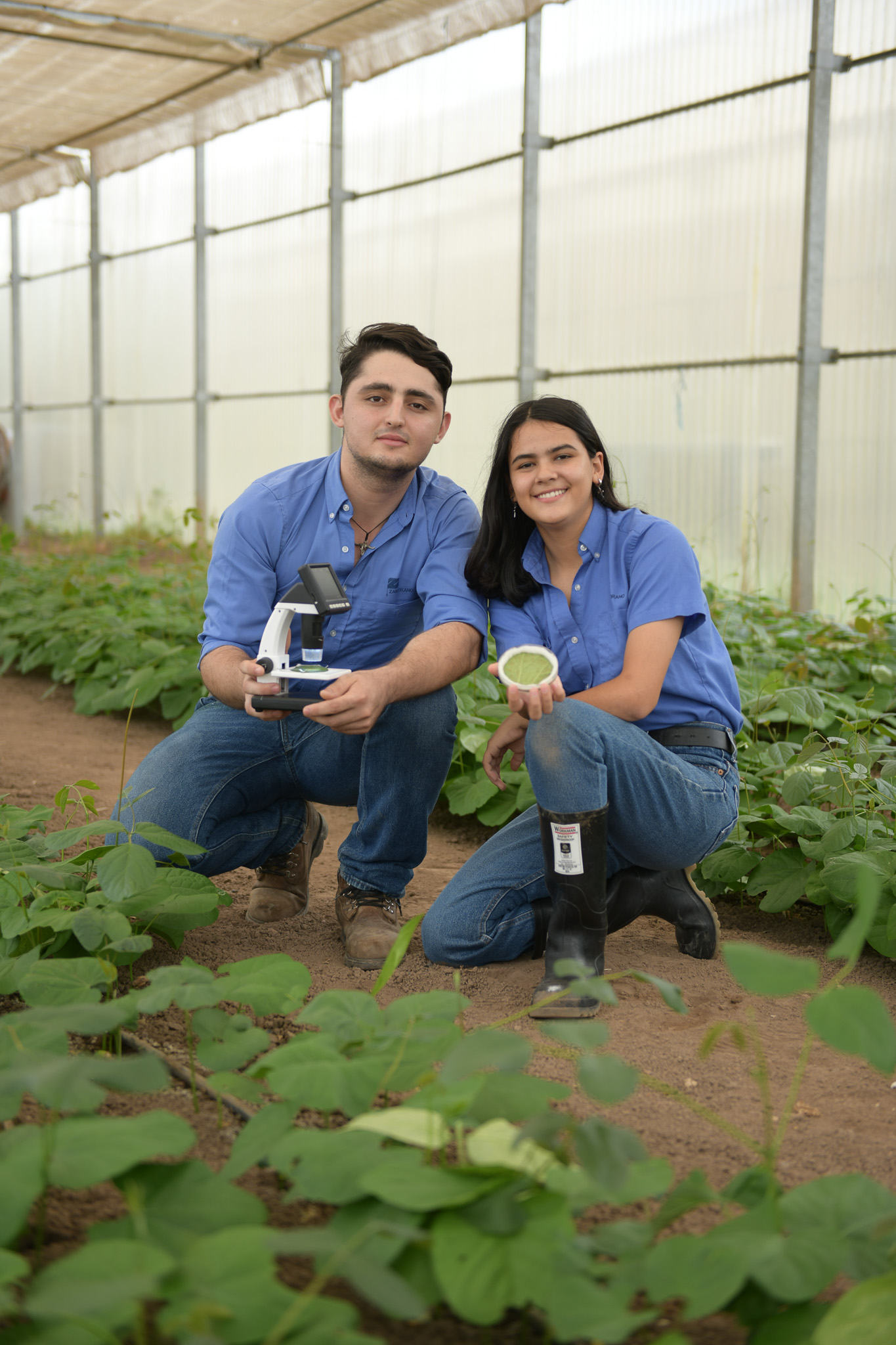
Module: Biotechnology – Tissue Culture and Molecular Diagnostics
Description and general objective of the module:
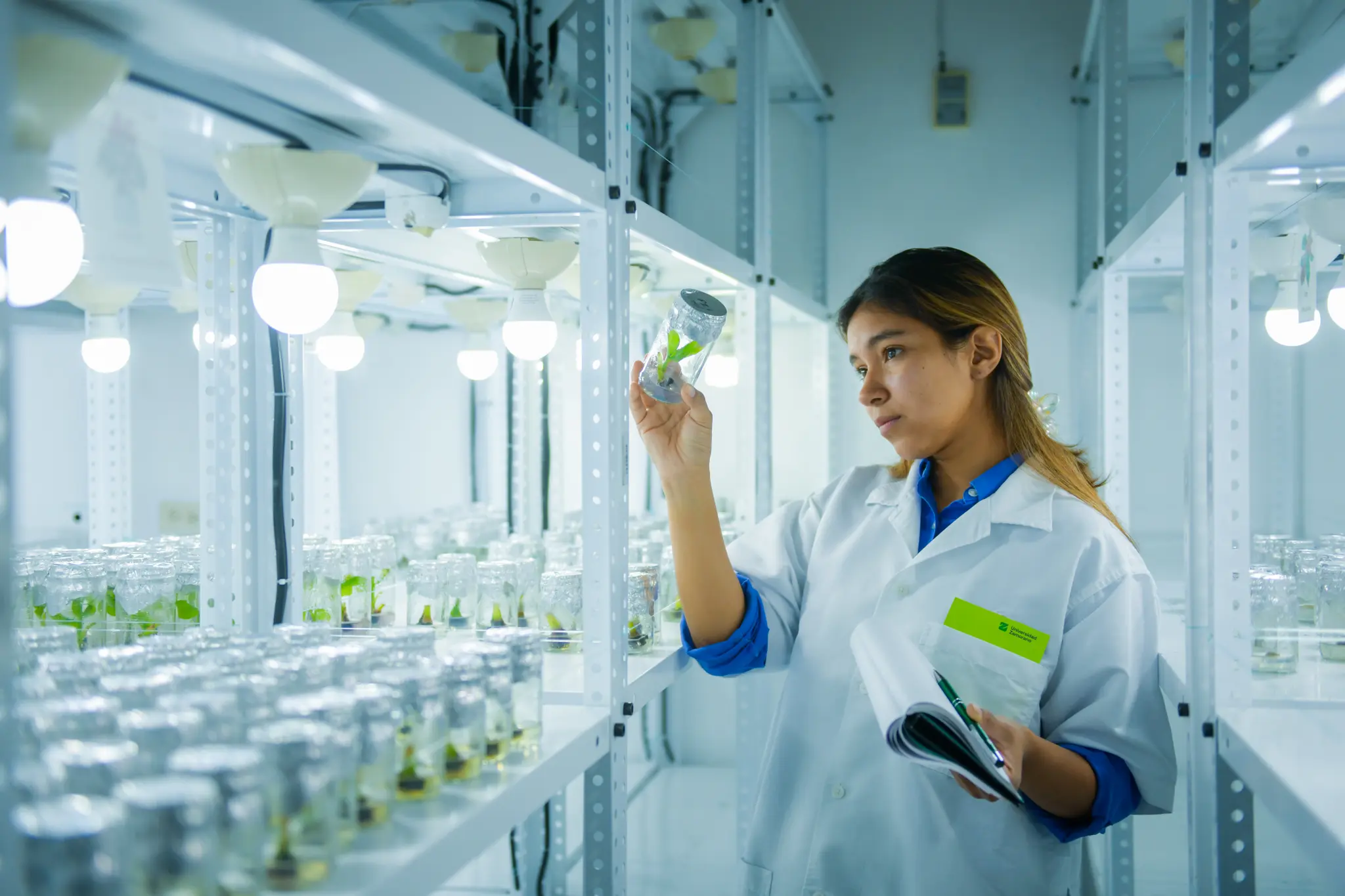
In this module, students work on the micropropagation of pathogen-free plants and the use of molecular tools (DNA extraction, PCR, and electrophoresis) for diagnostics and plant breeding, integrating what they have learned in biology, propagation, and grains.
- Operate basic equipment, glassware, instruments, and tools in the plant tissue culture and molecular diagnostics laboratories for in vitro crop production and plant breeding, following hygiene and safety protocols.
- Repeat procedures for DNA extraction, PCR, and electrophoresis following safety rules and correctly using laboratory equipment and reagents in order to analyze plant DNA and produce a diagnosis.
- Repeat procedures to prepare culture media and manipulate plant tissues, maintaining optimal levels of asepsis in the laboratory in order to micropropagate healthy plants.
Module: Fruit Trees
Description and general objective of the module:
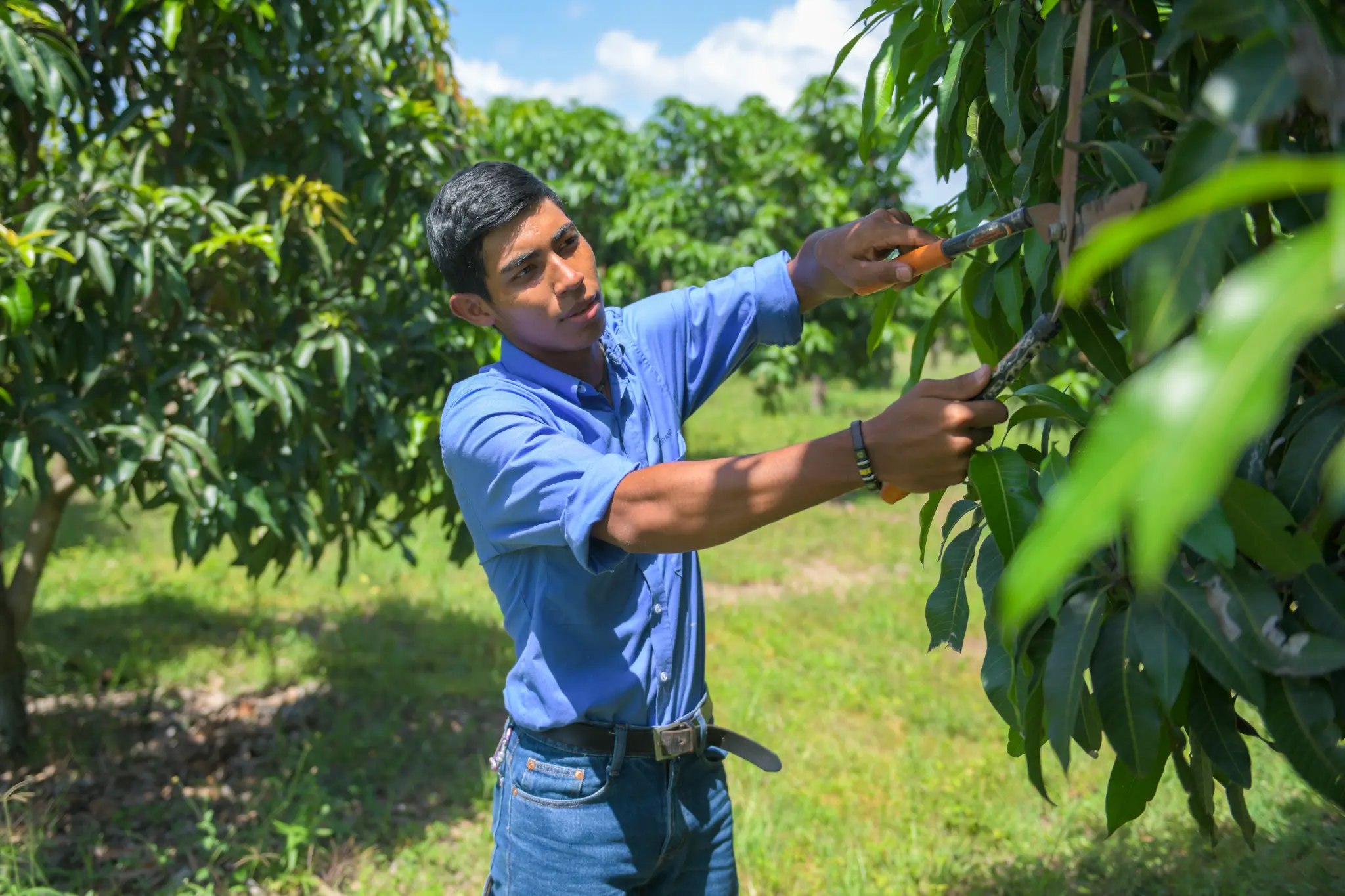
Here, students will work on the management of tropical fruit crops according to agro-climatic conditions: planting, fertilization, pruning, plantation rejuvenation, harvest, and postharvest.
- Calculate fertilization for fruit crops, contributing to sufficient and nutritious food, applying critical thinking in analysis and decision-making.
- Identify economically important fruit species according to the principles of food security sustainability.
Module: Environmental Technologies
Description and general objective of the module:
Students design and implement technologies for water management, wastewater treatment, and renewable energy in agri-food systems in Latin America, evaluating their economic, social, and environmental feasibility.
- Apply knowledge of Integrated Water Resources Management to propose solutions that promote sustainability in agro-industrial production and the rational use of water in community and urban projects.
- Promote technological improvements and innovative measures for the efficient use of renewable energy, integrating them into agricultural value chains and strengthening sustainability in agri-food systems.
See all modules
Learn about the admission process
- Contact an admissions counselor
- Register and create your applicant profile
- Complete the online admissions test
 English
 Spanish