
Planter Calibration: Key to Maximizing Crop Yield
Properly calibrating a planter can determine up to 50% of a crop’s yield. Calibration directly influences planting density, seed distribution, and uniform germination.

Properly calibrating a planter can determine up to 50% of a crop’s yield. Calibration directly influences planting density, seed distribution, and uniform germination.
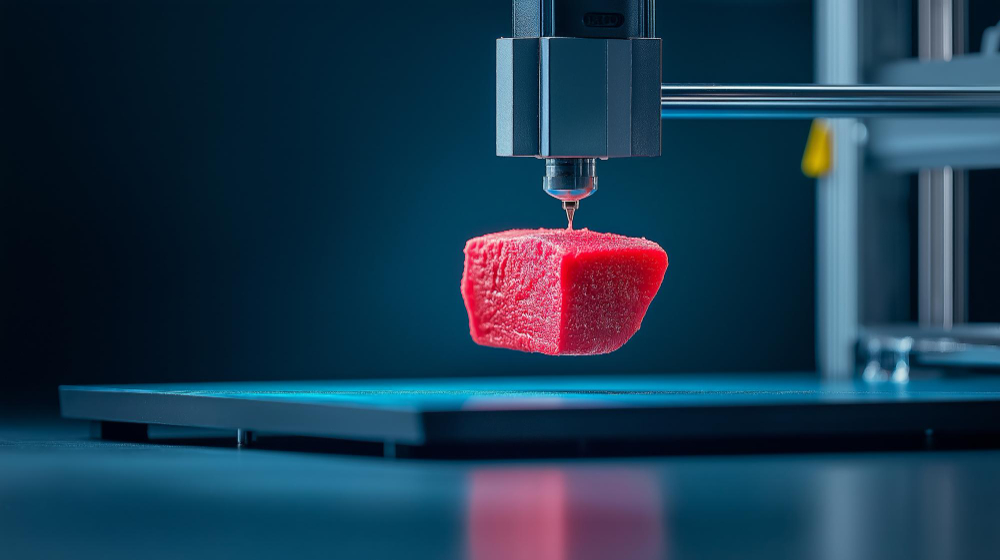
The team led by Dr. Adela Acosta Marchetti, together with Juan J. Juarez García, Misael A. López, and Dr. Jorge Cardona, conducted a pioneering study in which they evaluated the feasibility of producing plant-based meats through 3D printing, using soy and pea proteins as the base, combined with sodium alginate and transglutaminase as structuring agents.

Researchers from the Department of Food Agroindustry, including Dr. Jorge Cardona, Dr. Luis Maldonado, and Eng. Ligia Luna, studied how different fermentation times and temperatures influence the quality of plant-based yogurts, particularly those made from soy and almond. The objective of the study, published in the journal LWT, was to compare these products with traditional dairy yogurt and determine whether, under certain conditions, plant-based alternatives can achieve similar sensory characteristics.
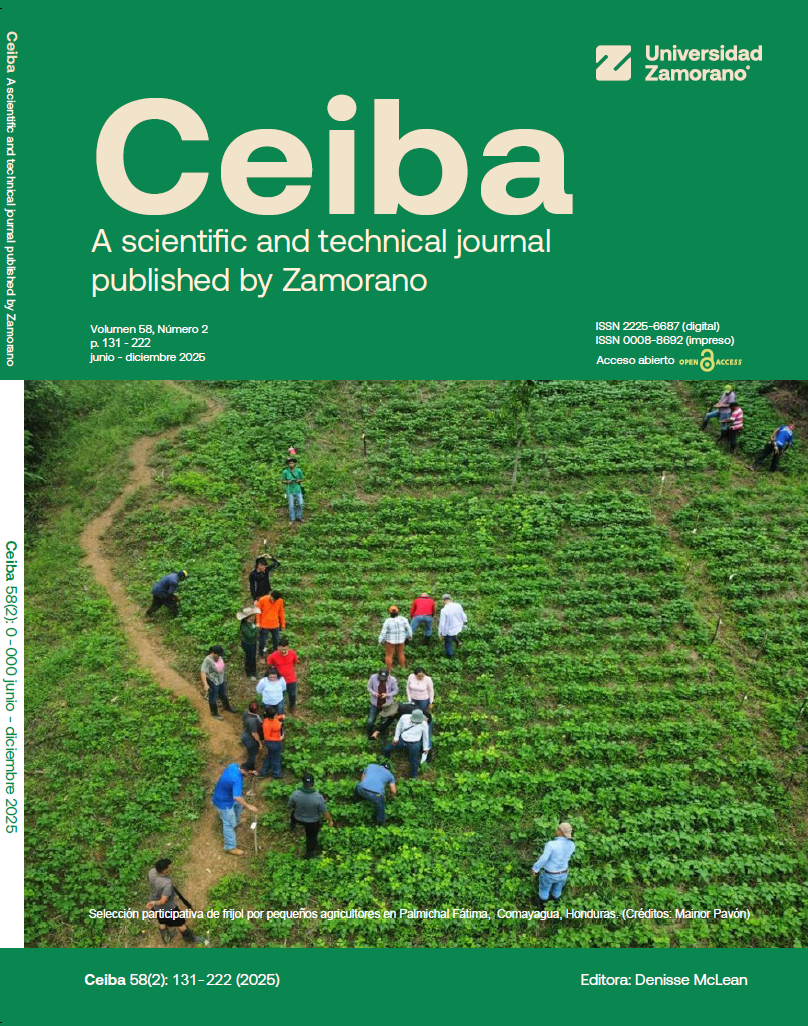
In December 2025, volume 58, issue 2 of the journal Ceiba was published. The five articles featured highlight Zamorano’s disciplinary diversity and the journal’s efforts to broaden its scope of coverage and integrate knowledge as a strategy to address the complex challenges currently facing agri-food systems.
Dr. Adriana Hernández and Eng. Sandra Espinoza, from the Department of Food Agroindustry Engineering, in collaboration with Jean Pierre Enríquez, a graduate of Agroindustry and the Master’s Program in Sustainable Tropical Agriculture, published a special article in the Revista Cubana de Salud Pública titled “Challenges for Public Health in a Pan-American University.” In their article, the researchers analyzed how public health policies and university structures adapt to a multicultural context.
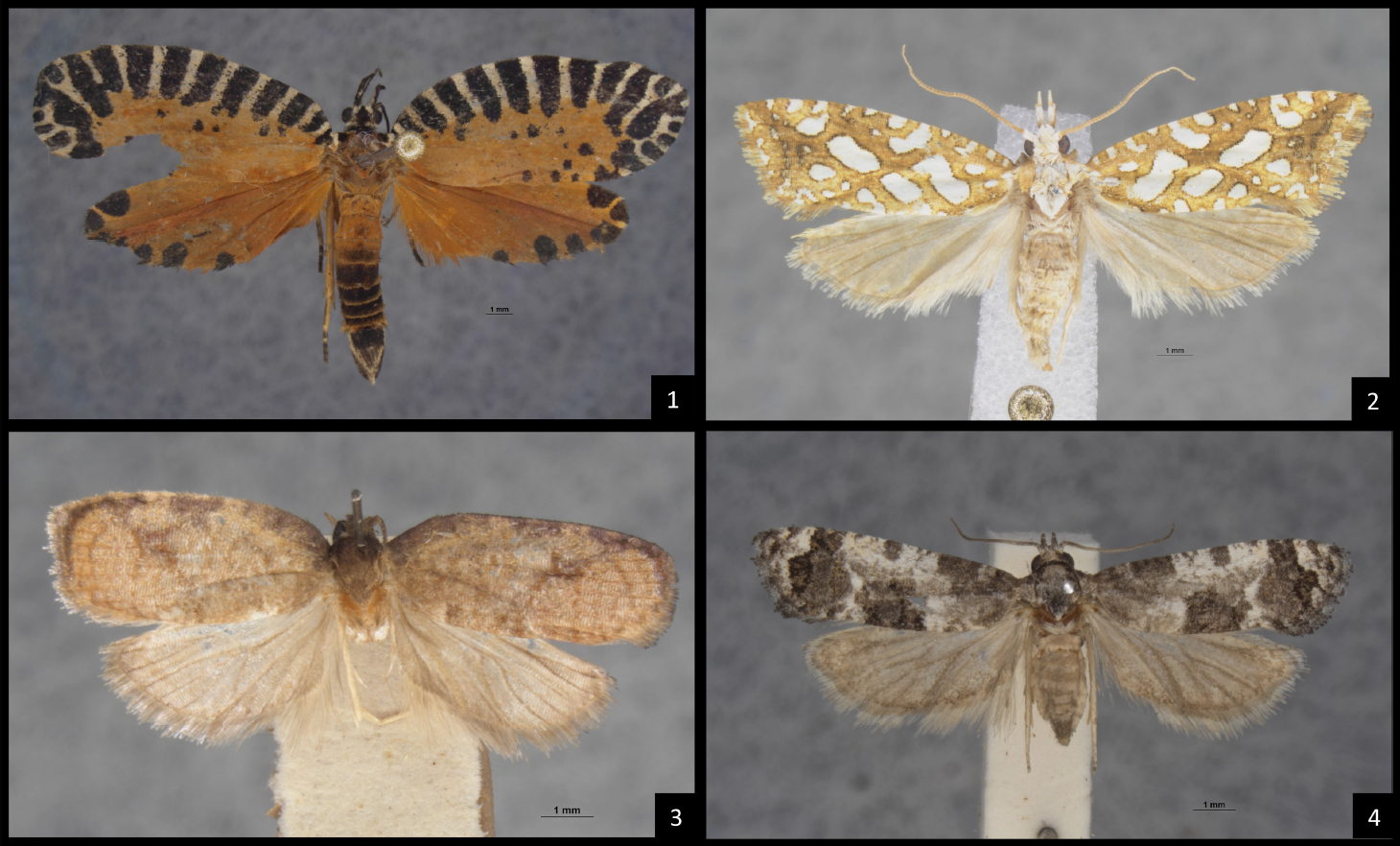
Dr. Eric van den Berghe, Associate Professor in the Department of Environment and Development Engineering, and his collaborators provided the first complete and annotated list of Tortricidae (leaf-roller moths) of Honduras. The research team documented 109 specimens. Seventy specimens were identified to the species level and 39 to the genus level, reflecting both the advancements and challenges involved in studying such a diverse family. The results were published in the journal Zootaxa.
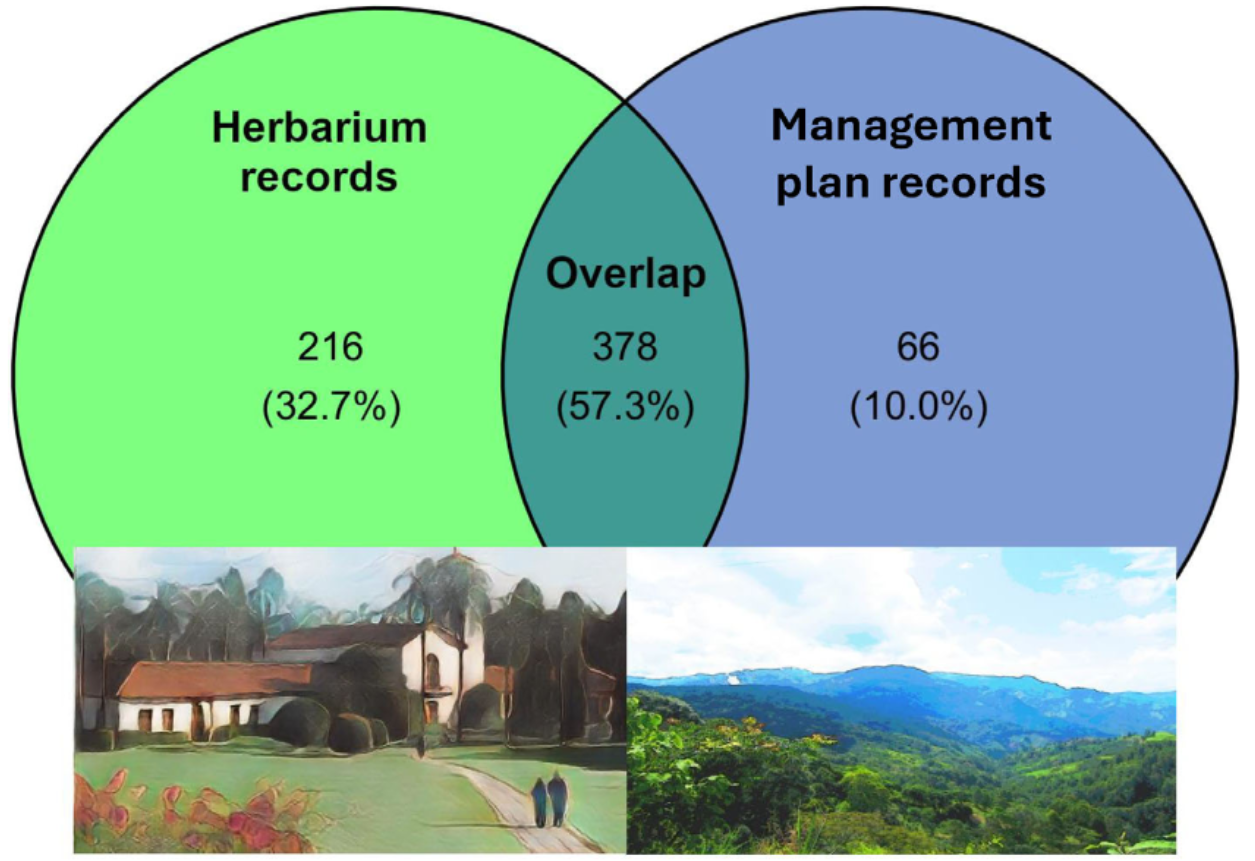
Dr. Eric van den Berghe, Associate Professor in the Department of Environment and Development Engineering, and his team published a study in the journal Plants, People, Planet highlighting the fundamental role of herbarium collections in the development of effective conservation strategies.
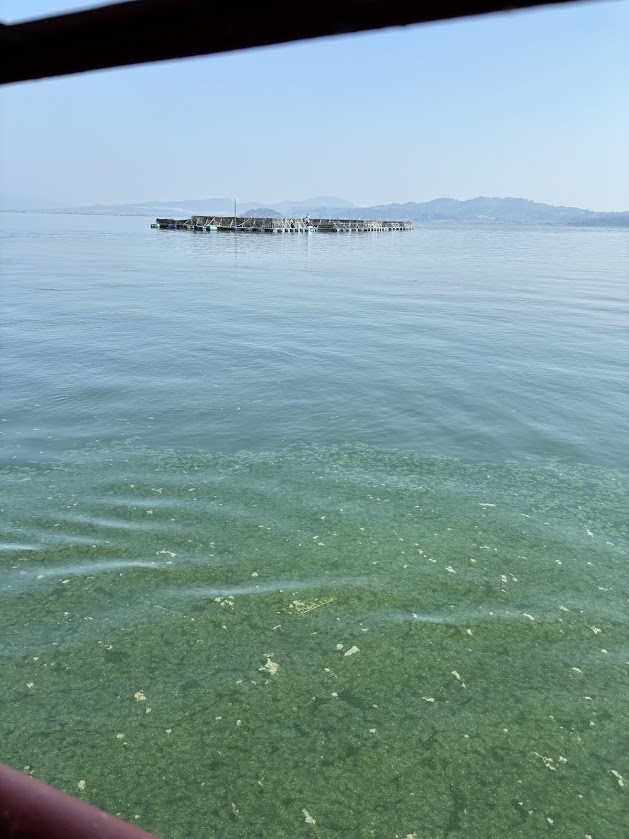
Ing. Erika Tenorio, Full Professor in the Department of Environment and Development Engineering, in collaboration with partners from Colorado State University, published an important study in the journal Earth’s Future that sheds new light on the ecological pressures facing the largest freshwater body in Honduras, Lake Yojoa. The research provides evidence for policymakers, certification bodies, and communities working to balance food production with the health of freshwater ecosystems.
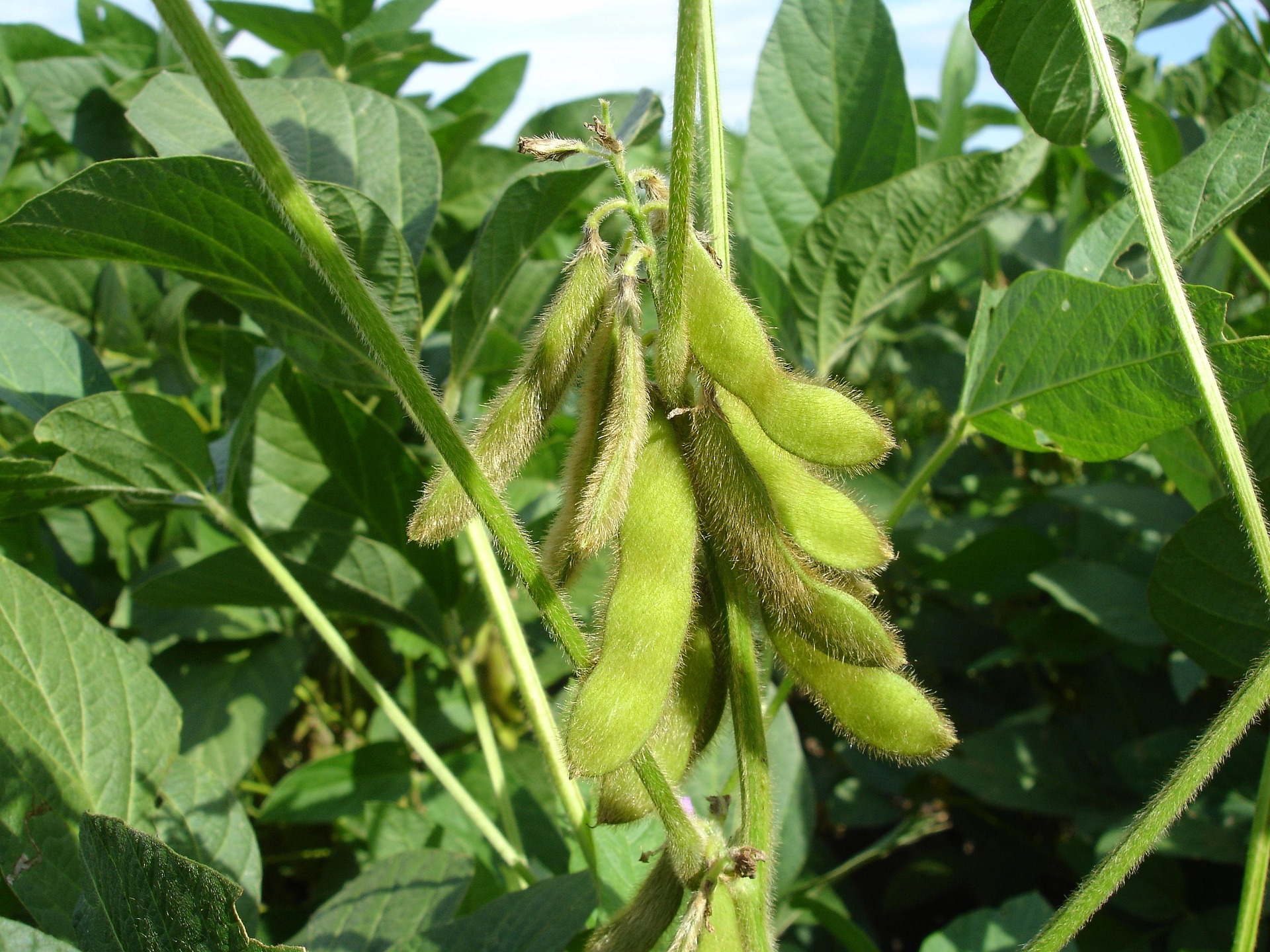
Dr. Ricardo Peña, Associate Professor of Soils in the Department of Agricultural Science and Production, and his team of collaborators analyzed how different levels of nitrogen (N) applied to tropical pasture grasses and maize in a previous rotation affect the performance of a subsequent mixed cropping system of soybean with grasses in areas with degraded pastures.
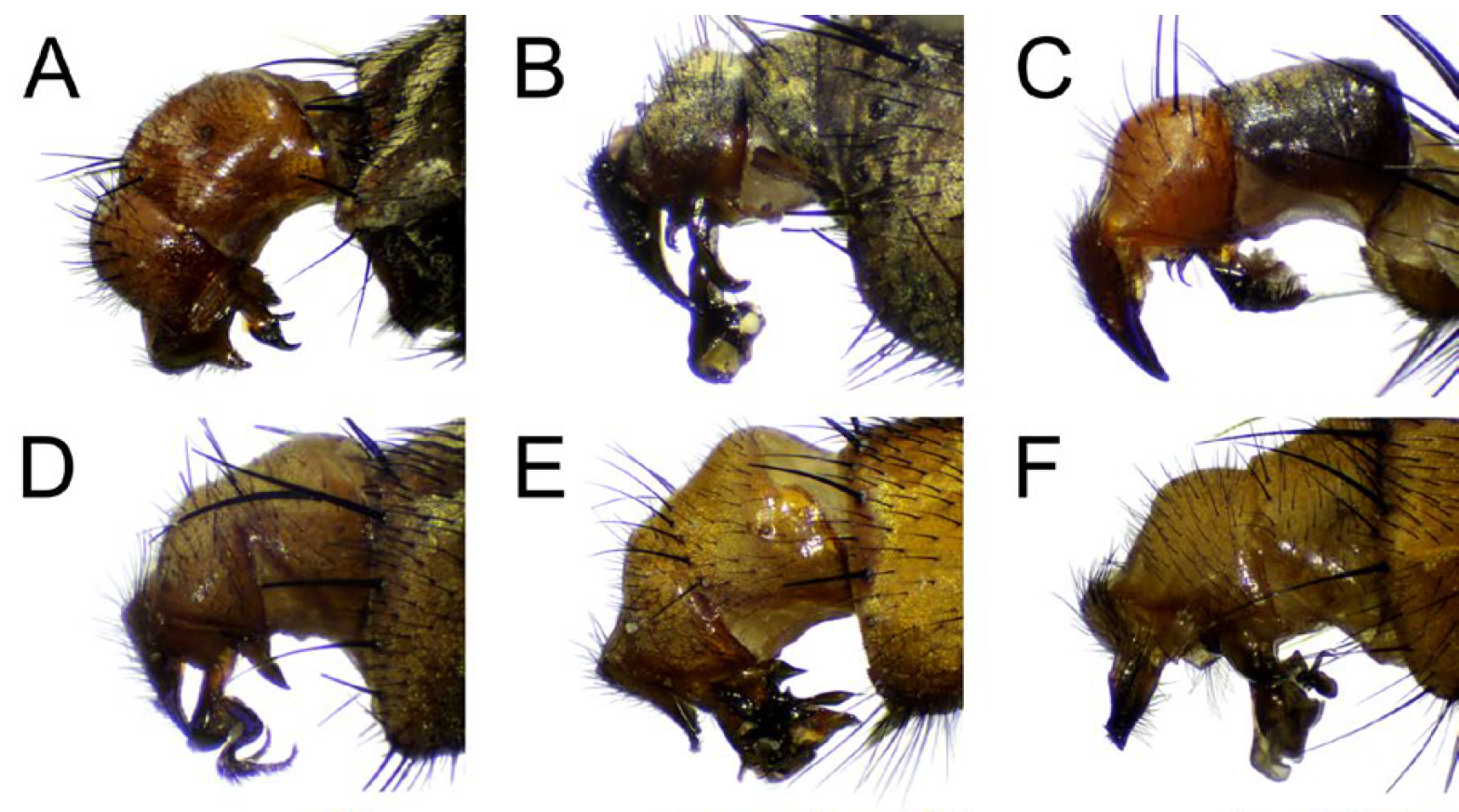
Dr. Jesús Orozco, Curator and Associate Professor of Entomology in the Department of Agricultural Science and Production, and his team presented a pioneering study dedicated to documenting the diversity of flesh flies (family Sarcophagidae) in Honduras. Their research, published in the journal Biota Neotrópica, identified a total of 13 Sarcophagidae species, of which nine represented new records for the fauna of Honduras.
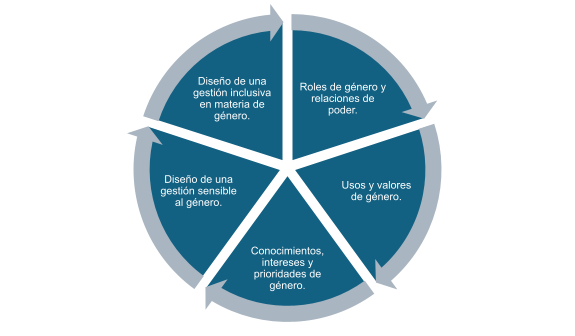
Dr. Arie Sanders, Associate Dean of Graduate Programs, and his research team developed a participatory self-assessment tool that helps managers of marine protected areas (MPAs), policymakers, and communities examine gender dynamics, identify gaps, and reflect on opportunities for improvement.
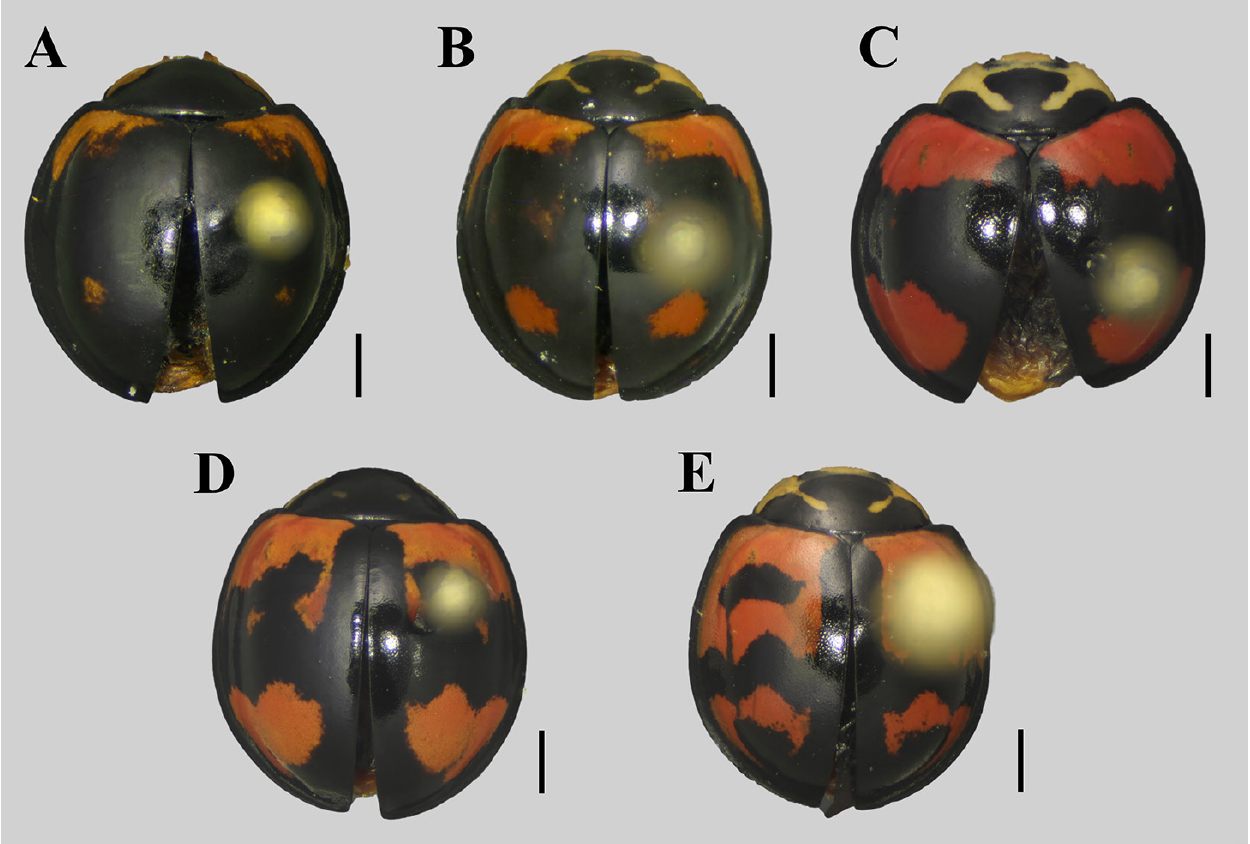
Researchers from Zamorano University documented, for the first time in Honduras, the presence of the Asian lady beetle Cheilomenes sexmaculata. The finding identifies five morphotypes and provides key evidence of the expansion of this invasive species in Central America.
 English
  Spanish