Investigaciones ZamoCiencia

Zamorano in Science

Understanding the Diversity of the Angular Leaf Spot Pathogen to Improve Genetic Resistance in the Common Bean Host Crop

Common bean is an essential crop for food security in many regions of the world, but its production is constantly threatened by diseases such as angular leaf spot, caused by the fungus Pseudocercospora griseola. This pathogen is highly variable and has evolved alongside its host plant, the common bean, which makes its control and the development of resistant varieties more difficult. Understanding its genetic diversity is key to strengthening agricultural production.

Read more

Discovering the Life Cycle of Little-Known Insects

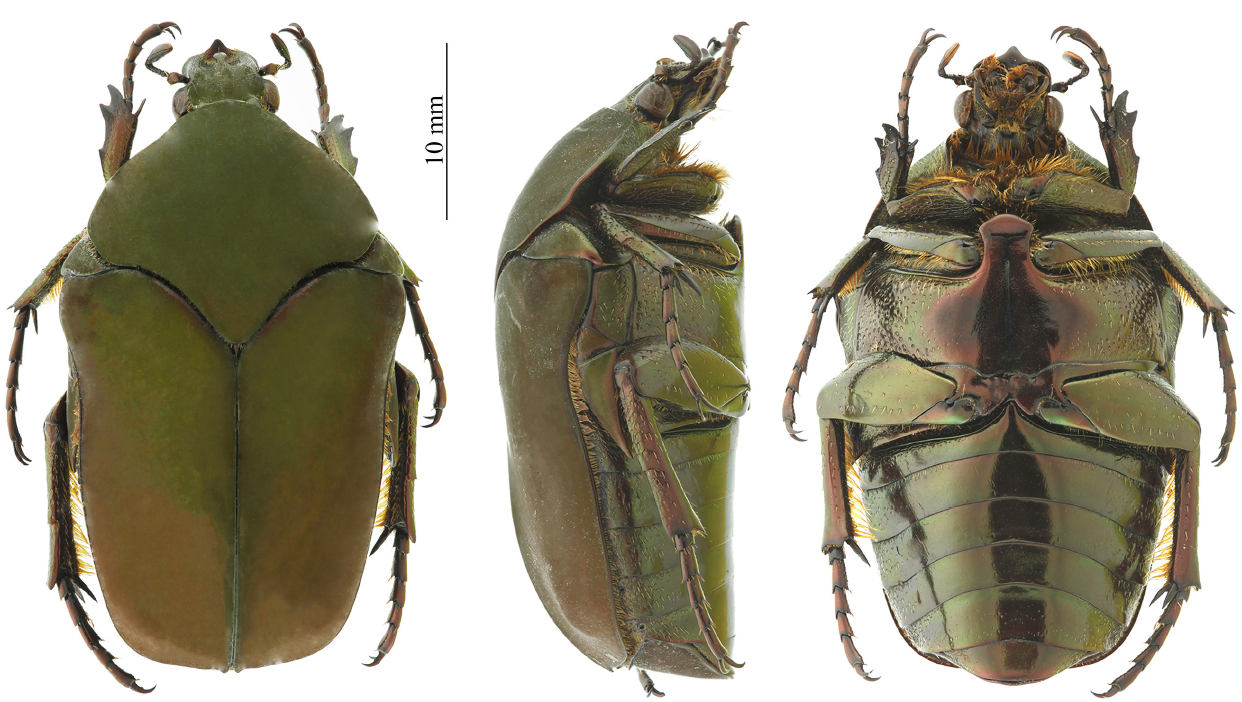
In tropical ecosystems, many species play key roles that we still do not fully understand. This is the case for some beetles, whose immature stages—larvae and pupae—have been little studied despite their ecological importance. Understanding their biology not only expands scientific knowledge, but also reveals connections with local practices and the sustainable use of natural resources.

Read more

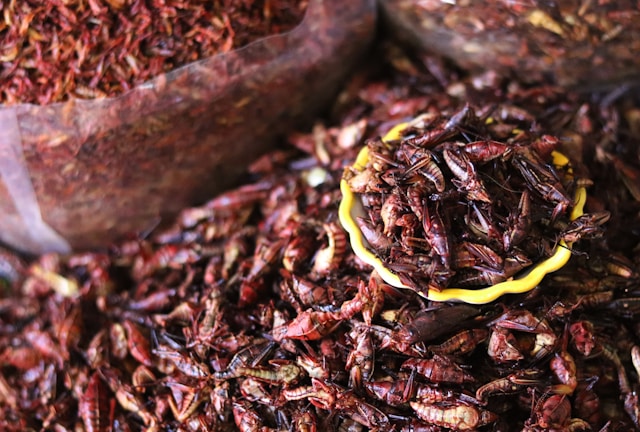
Insects as a Sustainable Alternative in Poultry Feed

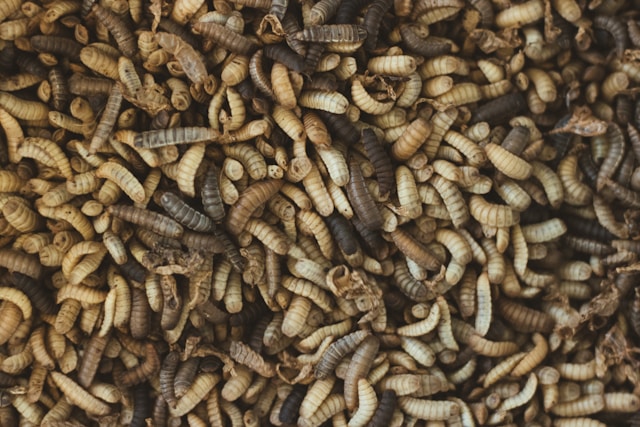
Given that production costs and input availability are increasingly affecting the poultry industry, there is a clear need to explore innovative and sustainable alternatives for animal feed. One of these options is the use of Hermetia illucens larval meal (black soldier fly), a highly nutritious ingredient that could partially replace traditional feed sources such as soybean and corn.

Read more

Coffee Innovation: Understanding Consumers Beyond What They Say

The coffee market is evolving rapidly, driven by new consumption trends and innovative products such as cold brew, a ready-to-drink beverage that has gained popularity for its smooth flavor and convenience. In this context, Eng. María Celeste Ortez, a graduate of the Agribusiness Engineering program, together with faculty members Martin Leal, M.Sc., Marvin Cálix, E.M.A., and Eng. Carlos Varela, conducted a study focused on analyzing the market potential of a Honduran cold brew coffee in Tegucigalpa by combining traditional tools and emerging technologies.

Read more

Attributes That Determine the Value of Specialty Coffee in Central America

In international markets, not all coffees are valued equally. Some achieve extraordinary prices at specialized auctions, while others are marketed as standard products. Understanding the factors that determine this value is key for producers, exporters, and consumers. In this context, Eng. Leopoldo Dimas, a graduate of the Agribusiness program at Zamorano, together with Marvin Cálix, E.M.A., Zamorano faculty member, and Dr. Luis Sandoval from Texas Tech University, conducted a study to analyze how specialty coffee prices are structured in Central America.

Read more

Data Intelligence to Understand Agricultural Markets

In a world where information is a key tool for decision-making, data analysis is transforming the way agricultural markets are understood. Eng. David Torres, a graduate of the Agribusiness Engineering program, under the supervision of Marvin Cálix, E.M.A., and Martin Leal, M.Sc., conducted a study focused on implementing business intelligence tools to analyze the behavior of agricultural products (commodities) in the United States market.

Read more

Fermentation conditions improve the quality of plant-based yogurt

Researchers from the Department of Food Agroindustry, including Dr. Jorge Cardona, Dr. Luis Maldonado, and Eng. Ligia Luna, studied how different fermentation times and temperatures influence the quality of plant-based yogurts, particularly those made from soy and almond. The objective of the study, published in the journal LWT, was to compare these products with traditional dairy yogurt and determine whether, under certain conditions, plant-based alternatives can achieve similar sensory characteristics.

Read more

New issue of the journal Ceiba

In December 2025, volume 58, issue 2 of the journal Ceiba was published. The five articles featured highlight Zamorano’s disciplinary diversity and the journal’s efforts to broaden its scope of coverage and integrate knowledge as a strategy to address the complex challenges currently facing agri-food systems.

Read more

Public health challenges in university settings

Dr. Adriana Hernández and Eng. Sandra Espinoza, from the Department of Food Agroindustry Engineering, in collaboration with Jean Pierre Enríquez, a graduate of Agroindustry and the Master’s Program in Sustainable Tropical Agriculture, published a special article in the Revista Cubana de Salud Pública titled “Challenges for Public Health in a Pan-American University.” In their article, the researchers analyzed how public health policies and university structures adapt to a multicultural context.

Read more

Expanding knowledge on Honduras’s moth diversity

Dr. Eric van den Berghe, Associate Professor in the Department of Environment and Development Engineering, and his collaborators provided the first complete and annotated list of Tortricidae (leaf-roller moths) of Honduras. The research team documented 109 specimens. Seventy specimens were identified to the species level and 39 to the genus level, reflecting both the advancements and challenges involved in studying such a diverse family. The results were published in the journal Zootaxa.

Read more