
Investigaciones ZamoCiencia

Zamorano in Science

Half of Salty Snacks in Honduras Exceed Sodium Limits

Dr. Adriana Hernández-Santana, Associate Professor in the Agroindustry Department at Zamorano University, and Rocío Moncada, with support from the Institute for Technology in Health Care (ITHC), studied the sodium content of salty snacks (chips and seeds) sold in Honduran supermarkets, based on their nutrition labels, to determine how closely these products align with international sodium intake recommendations.

Read more

Effect of a Flaxseed-Enriched Beverage on Breast Milk Composition

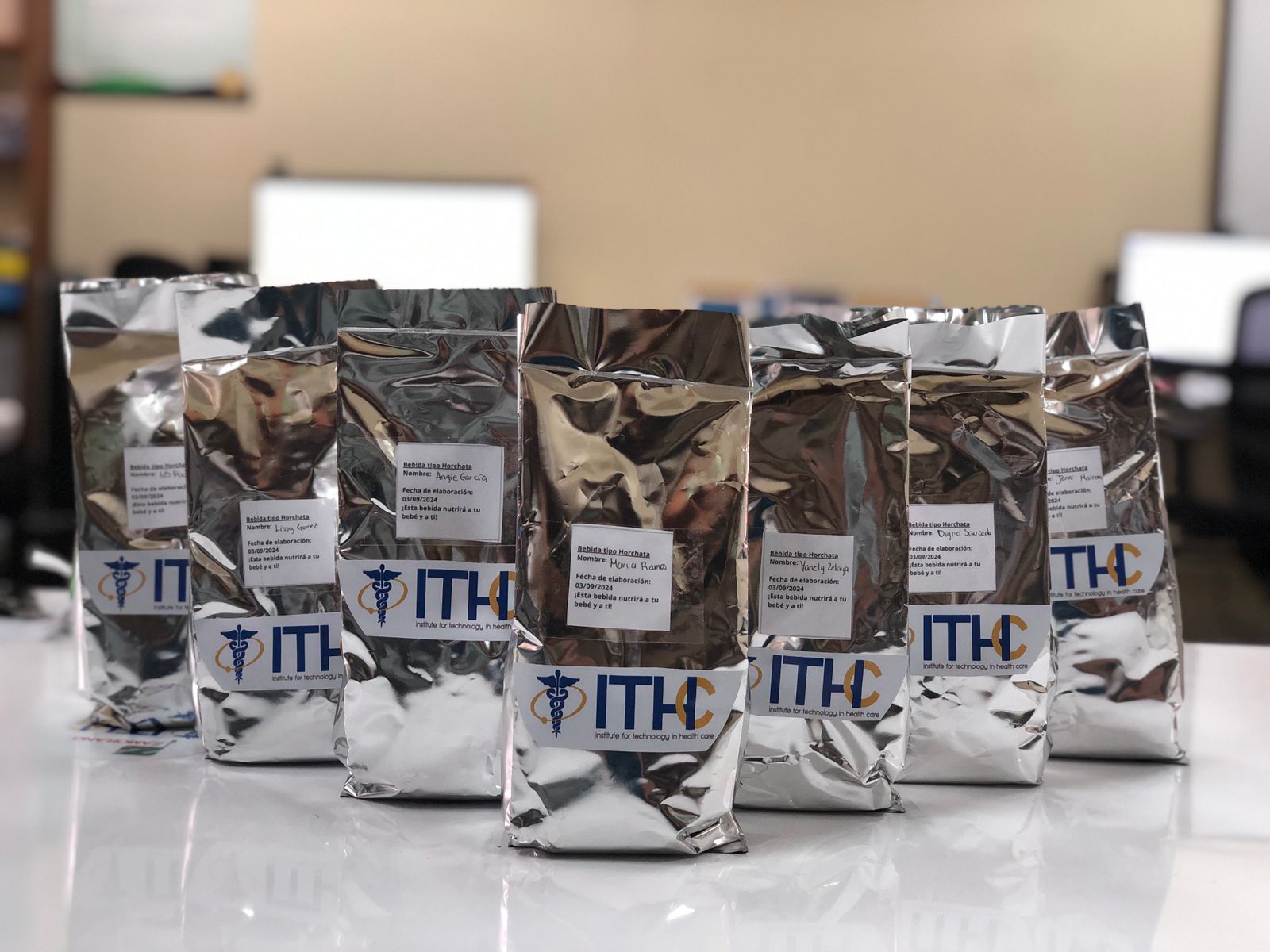
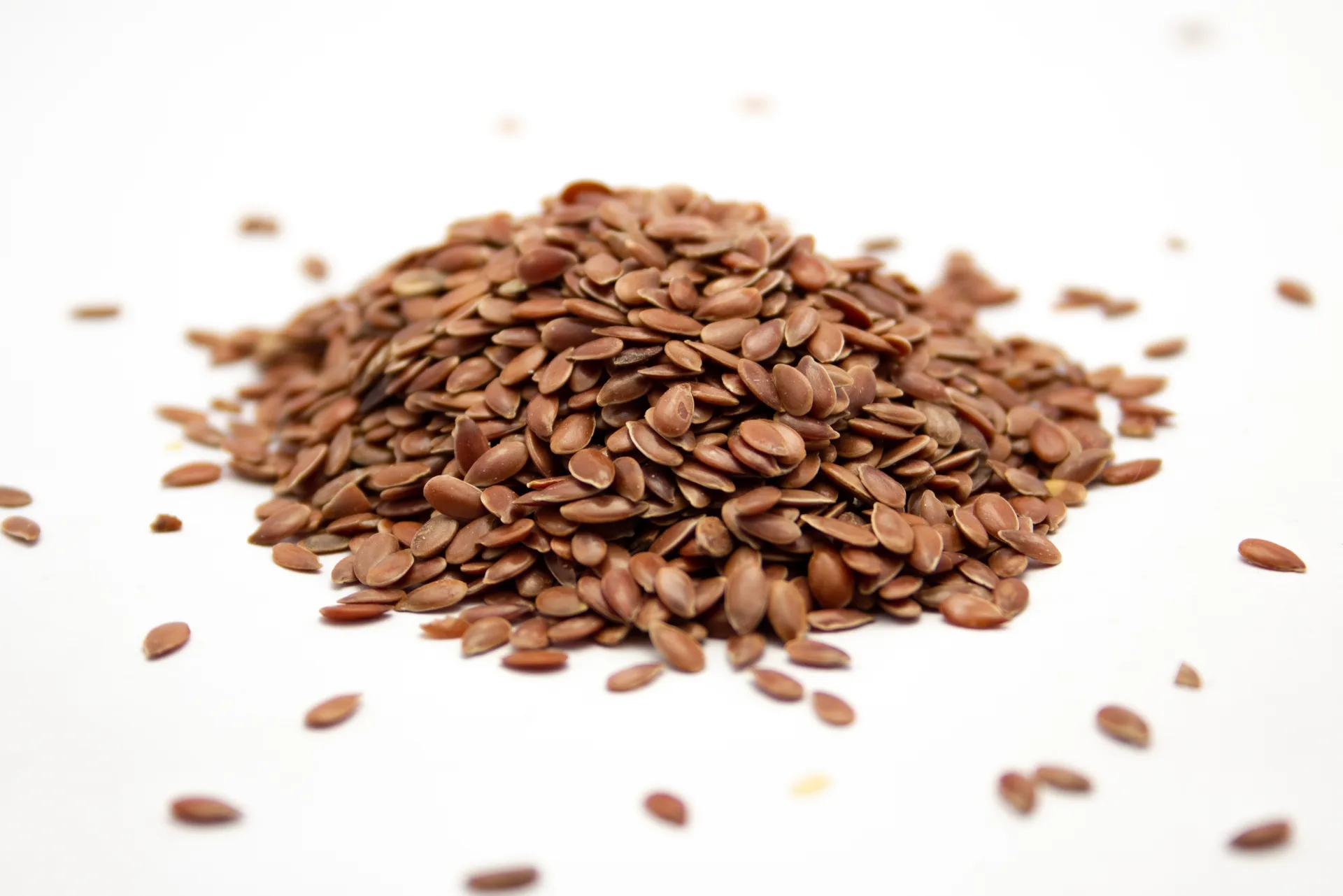
A team of researchers from Zamorano University's Agroindustry Department, with support from the Institute for Technology in Health Care (ITHC), studied a flaxseed-enriched horchata-style beverage that the same group had developed earlier. They wanted to know whether drinking it changes the fatty acids in the breast milk of women in the Honduran highlands. The study followed breastfeeding mothers from rural communities who drank the beverage every day for 30 days.

Read more

Flaxseed-Enriched Beverage to Support the Nutrition of Breastfeeding Mothers

A team of Zamorano University researchers, with support from the Institute for Technology in Health Care (ITHC), developed a powdered horchata-style beverage enriched with flaxseed for breastfeeding women. The goal was to build a nutritional option around a traditional drink that people already know. The beverage provides essential fatty acids, which women often don't get enough of at this stage.

Read more

Nutrition Education for Breastfeeding Mothers in Rural Communities of Honduras

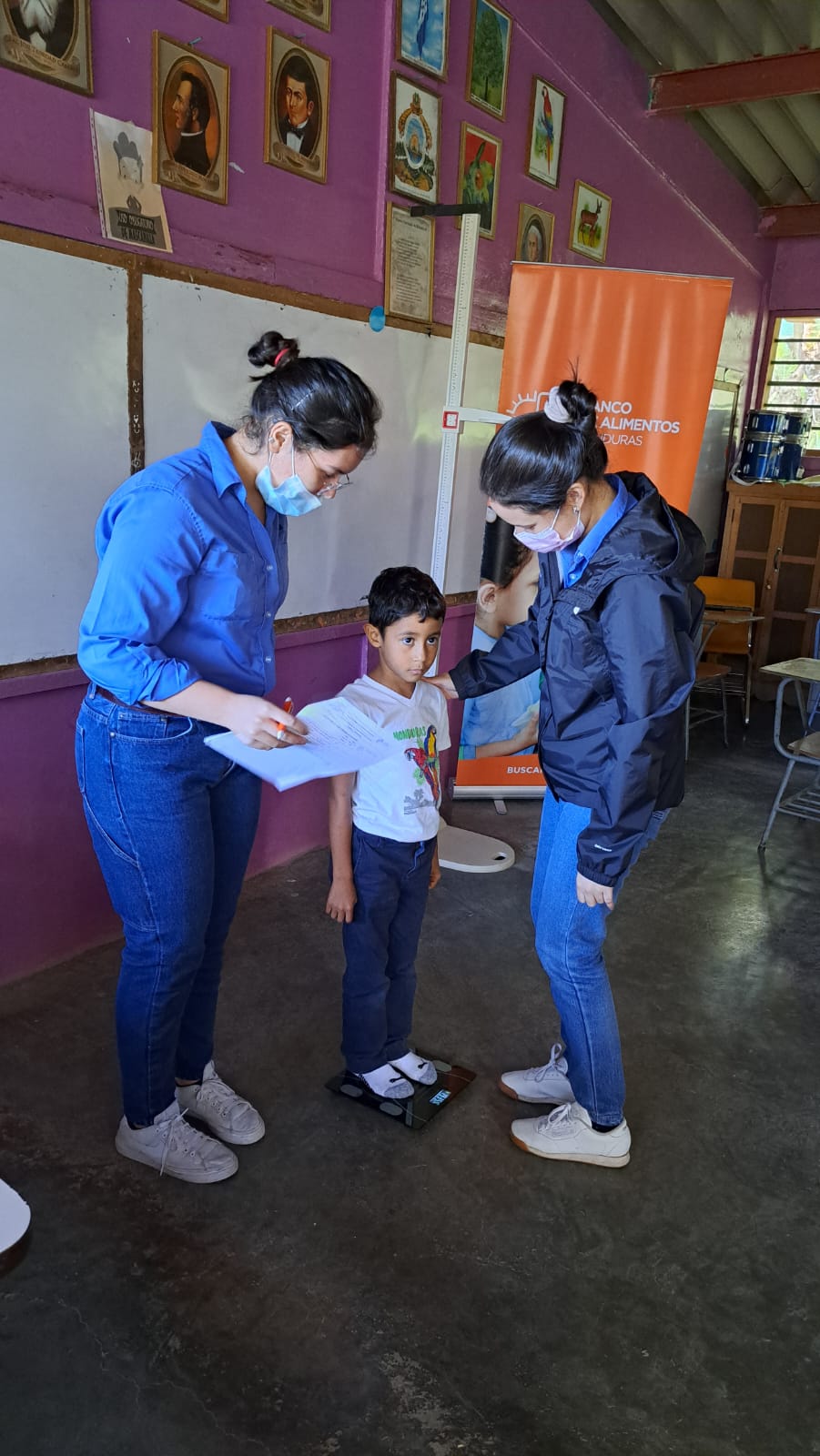
A team of researchers from Zamorano implemented and evaluated an educational intervention for breastfeeding mothers and their babies in semi-rural communities in the municipality of San Antonio de Oriente, Francisco Morazán, Honduras. The purpose of the study was to determine whether access to appropriate nutritional information could lead to concrete improvements in the diets and health of mothers and children.

Read more

Nutrition Education for Breastfeeding Mothers in Rural Communities of Honduras

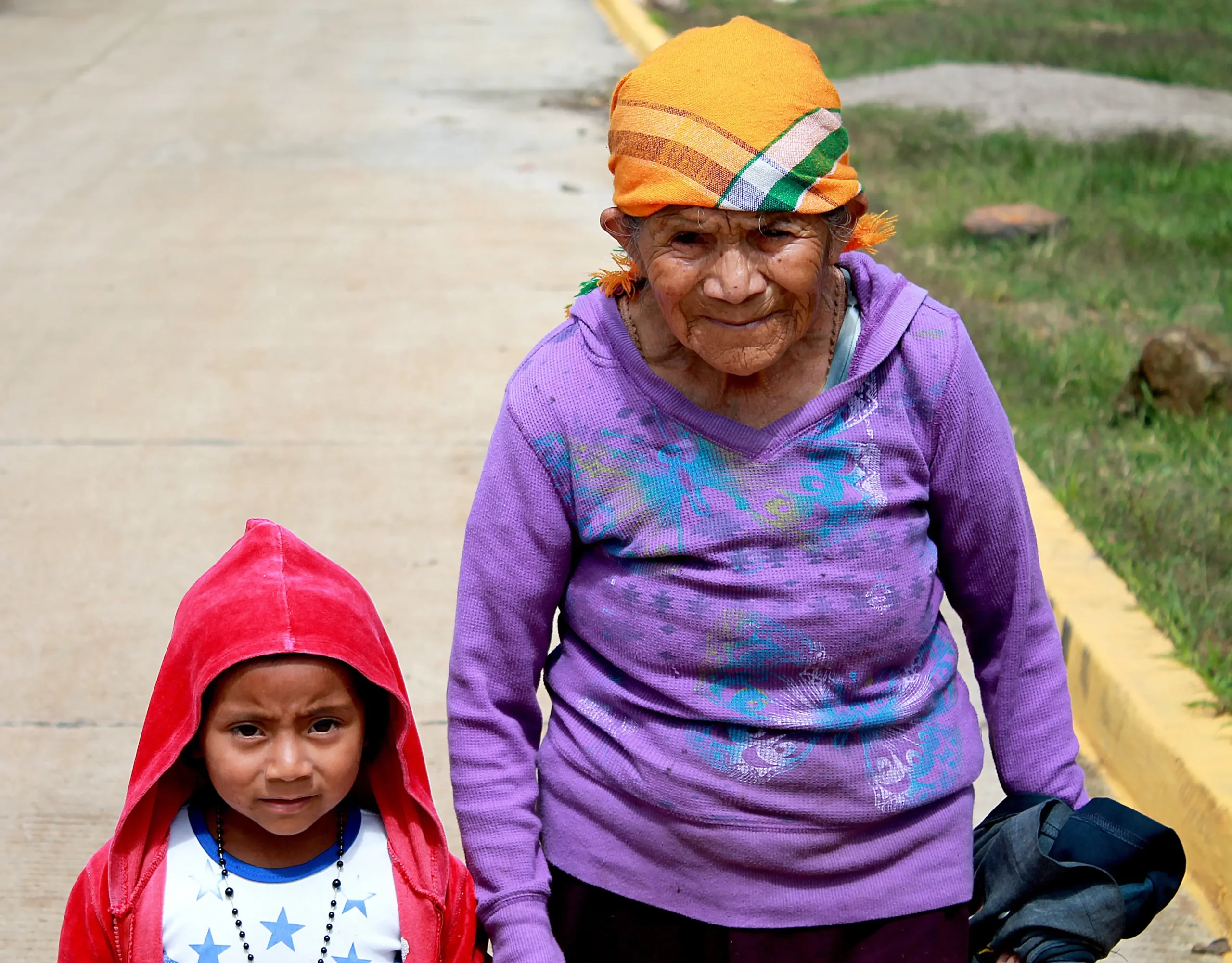
A team of researchers from Zamorano, in collaboration with the University of Buenos Aires, assessed food security and the nutritional status of the Lenca population—one of Honduras’s Indigenous groups—in the municipality of Intibucá. The study identified how different nutritional challenges coexist within the same community, an issue that, until now, has been scarcely documented among this population and in Honduras.

Read more

Functional Foods for Maternal Nutrition During Breastfeeding

Nutrition during breastfeeding plays a fundamental role in the health of both mother and baby. However, in many contexts, the intake of key nutrients—such as essential fatty acids—is limited, which can affect the quality of breast milk and the well-being of mothers and children. This has sparked interest in developing food alternatives that are nutritious, accessible, and culturally accepted.

Read more

How Do Schoolchildren Eat in Rural Areas?

Nutrition during childhood is crucial for growth, learning, and long-term health. In rural contexts, eating habits are influenced by economic, cultural, and food availability factors. Understanding what schoolchildren eat and how their diets are structured makes it possible to identify opportunities to improve nutrition from the early stages of human development.

Read more

Insects as a Sustainable Alternative for the Food of the Future

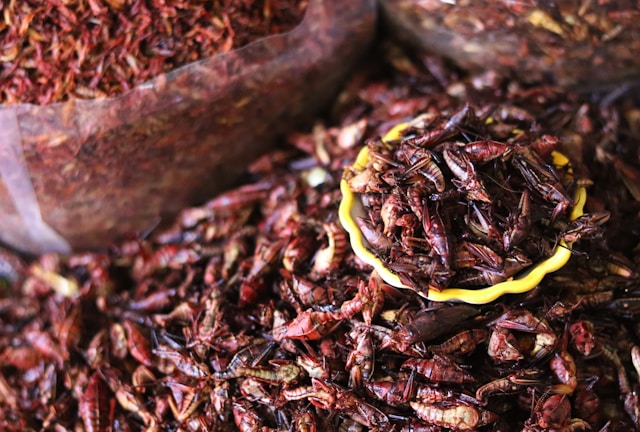
Finding sustainable protein sources has become a priority in a world where food demand continues to grow. Insects, traditionally consumed in various cultures, are gaining attention as a nutritious and low-environmental-impact alternative. Their production requires less water, land, and feed compared to conventional livestock, positioning them as a promising option for the future of food.

Read more

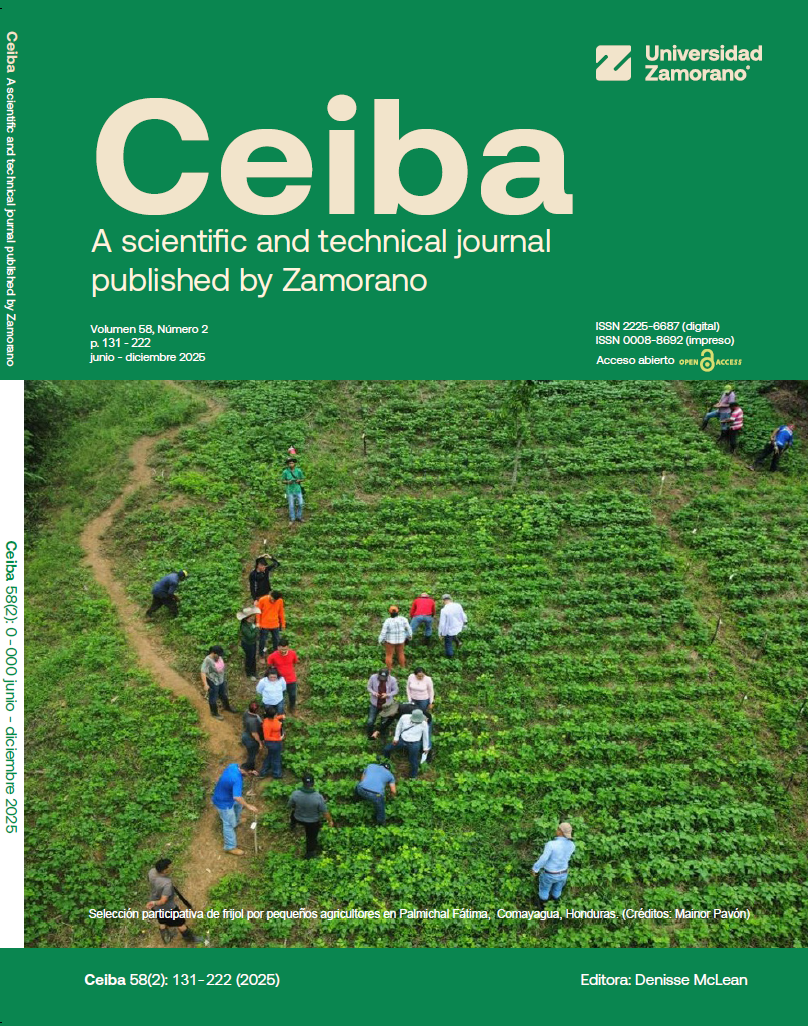
New issue of the journal Ceiba

In December 2025, volume 58, issue 2 of the journal Ceiba was published. The five articles featured highlight Zamorano’s disciplinary diversity and the journal’s efforts to broaden its scope of coverage and integrate knowledge as a strategy to address the complex challenges currently facing agri-food systems.

Read more

Public health challenges in university settings

Dr. Adriana Hernández and Eng. Sandra Espinoza, from the Department of Food Agroindustry Engineering, in collaboration with Jean Pierre Enríquez, a graduate of Agroindustry and the Master’s Program in Sustainable Tropical Agriculture, published a special article in the Revista Cubana de Salud Pública titled “Challenges for Public Health in a Pan-American University.” In their article, the researchers analyzed how public health policies and university structures adapt to a multicultural context.

Read more

Updated overview of flesh flies (Diptera: Sarcophagidae) in Honduras

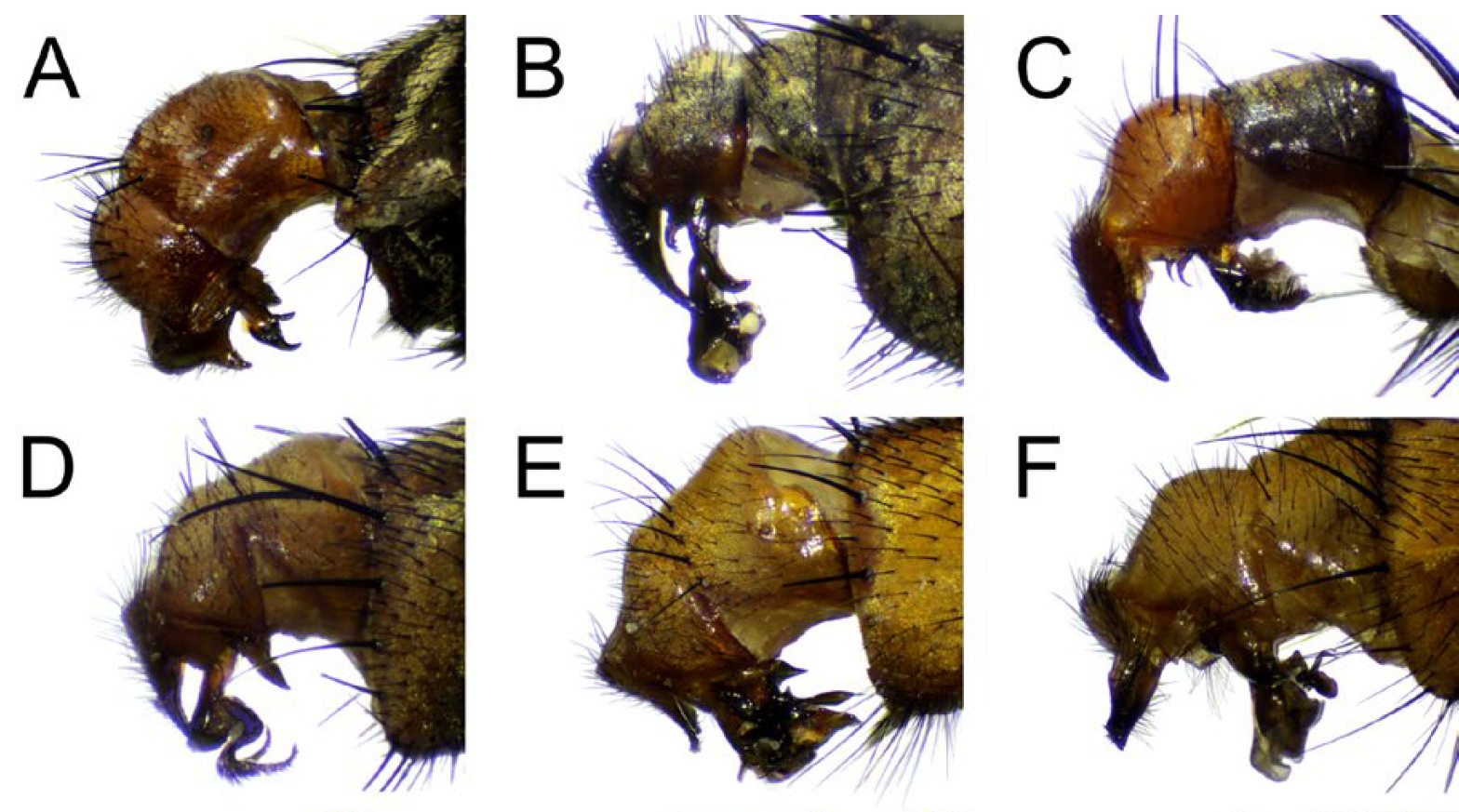
Dr. Jesús Orozco, Curator and Associate Professor of Entomology in the Department of Agricultural Science and Production, and his team presented a pioneering study dedicated to documenting the diversity of flesh flies (family Sarcophagidae) in Honduras. Their research, published in the journal Biota Neotrópica, identified a total of 13 Sarcophagidae species, of which nine represented new records for the fauna of Honduras.

Read more