
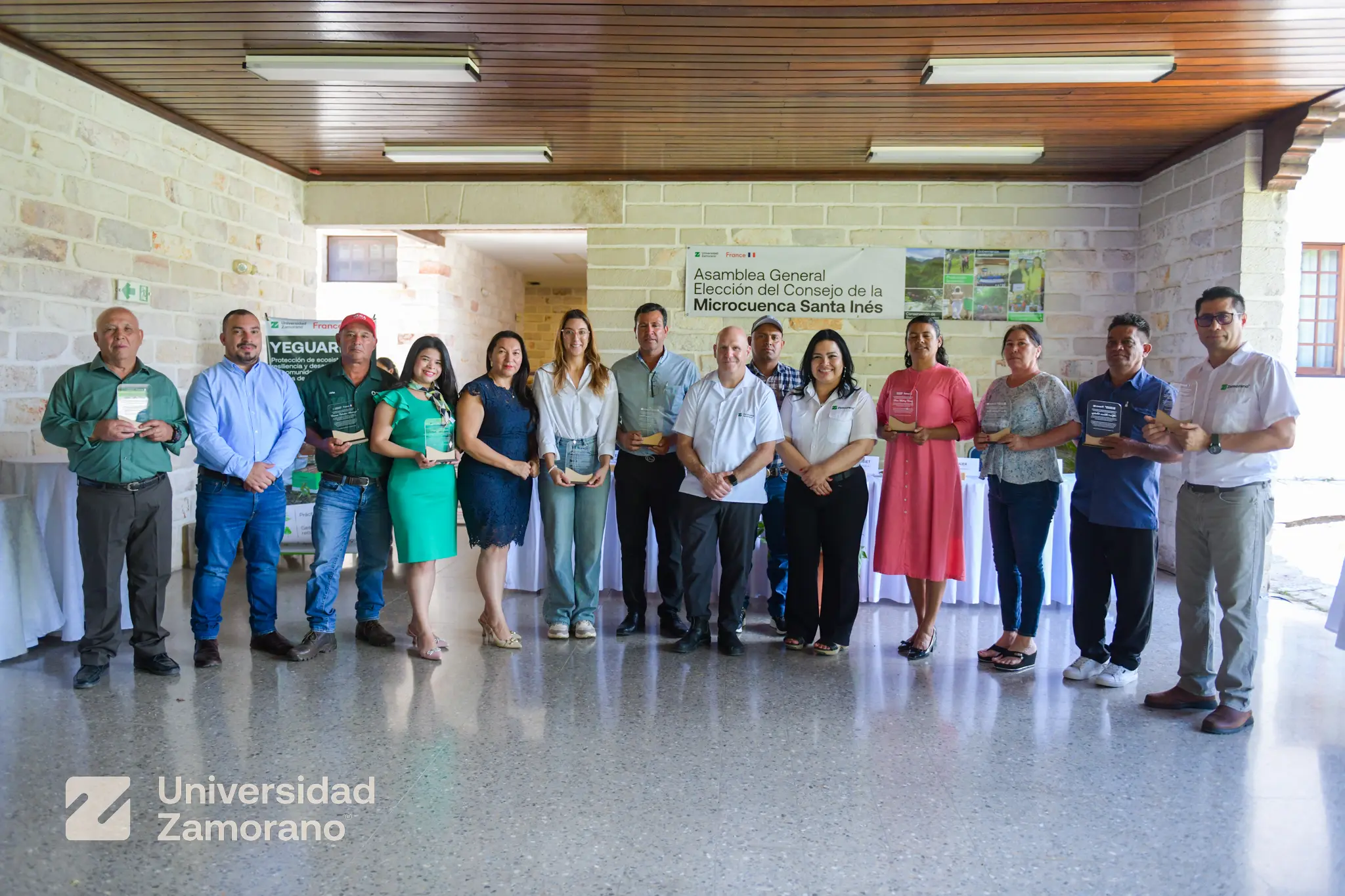
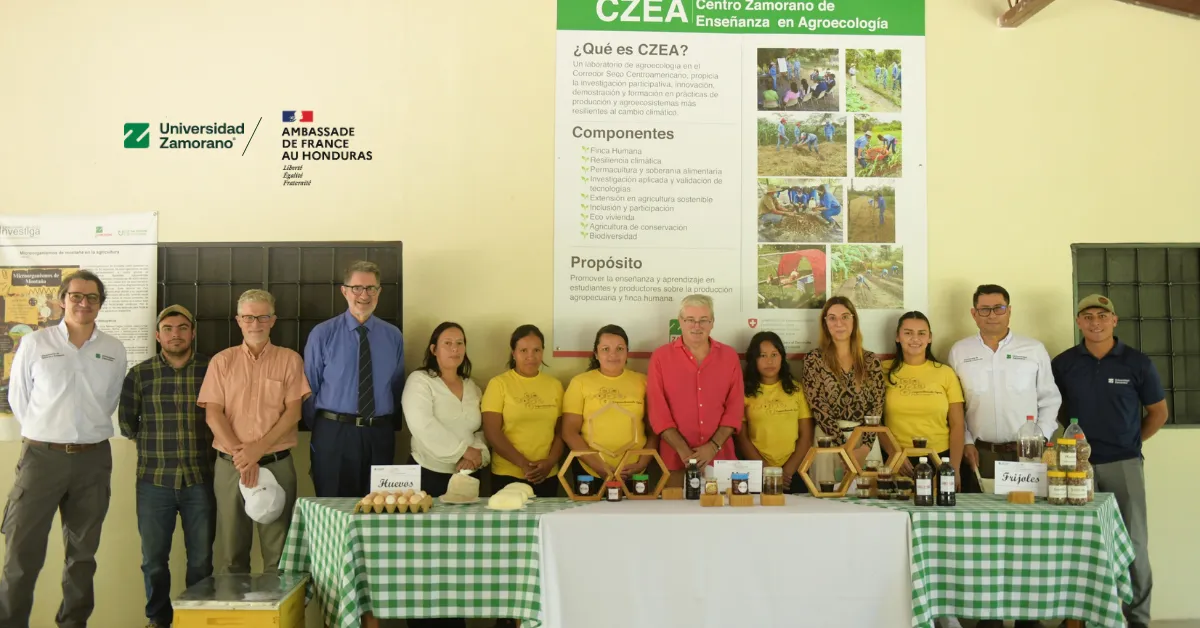
In a significant step toward sustainable natural resource management, the General Assembly for the election of the Santa Inés Micro-Watershed Council was successfully held. This process, carried out under the Yeguare Project—a joint initiative between Zamorano University and the Embassy of France in Honduras—marks an important milestone in ecosystem protection and in strengthening climate resilience in rural communities across the region.
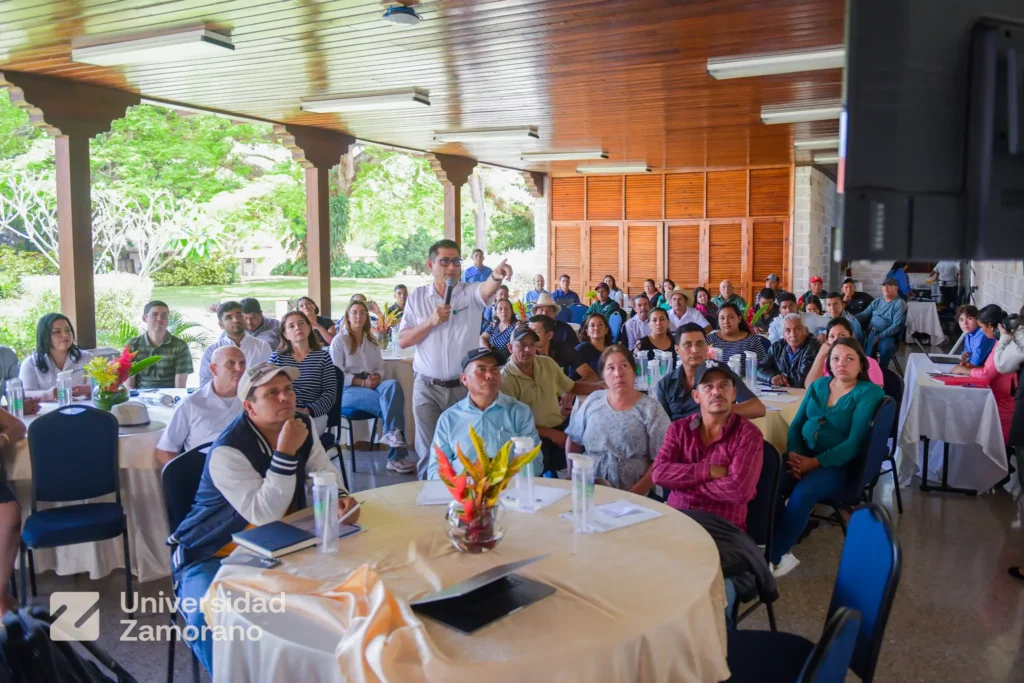
The formal establishment of this body, supported by Honduras’ General Water Law, goes beyond an administrative procedure to become a mechanism for community empowerment. By being ratified as the technical and advisory body responsible for water management, the Council ensures that decisions regarding this vital resource are driven by local stakeholders, promoting transparency and compliance with environmental regulations.
The event received strong institutional support, with the participation of Ms. Chloé Rabiet, Head of Cooperation at the French Embassy; Eng. Jacob Espino, General Director of Water Resources; Ms. Idalia Fonseca, Vice Mayor of San Antonio de Oriente; and Eng. Rafael López, Head of the Watershed Department at the Forest Conservation Institute (ICF), along with representatives of the Honduran Armed Forces. This convergence of authorities underscores the strategic importance of the micro-watershed for the country’s land-use planning.
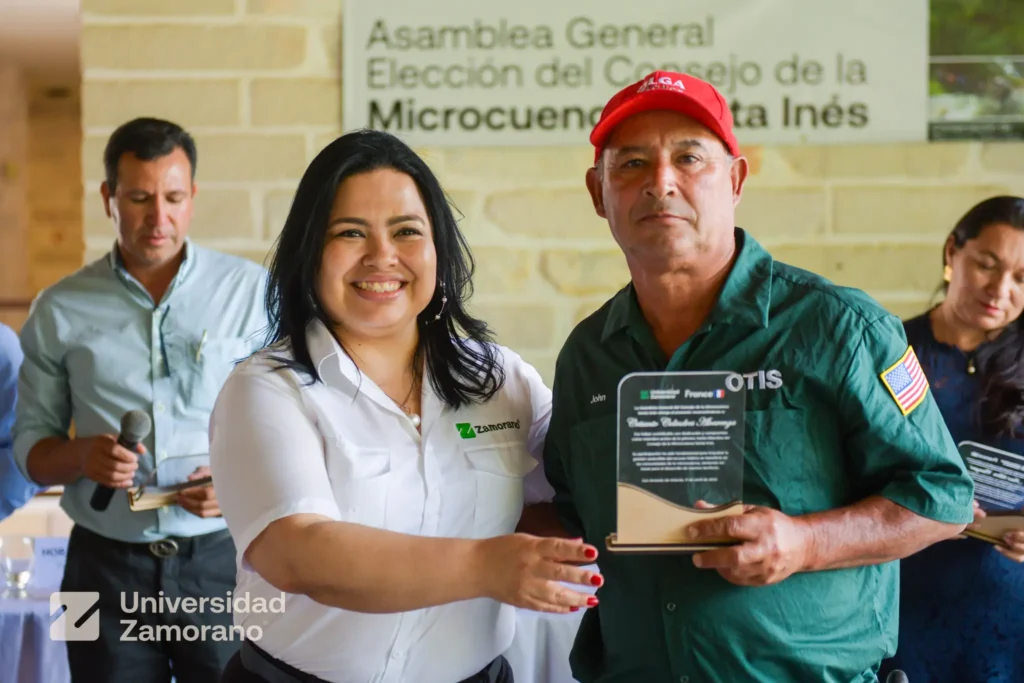
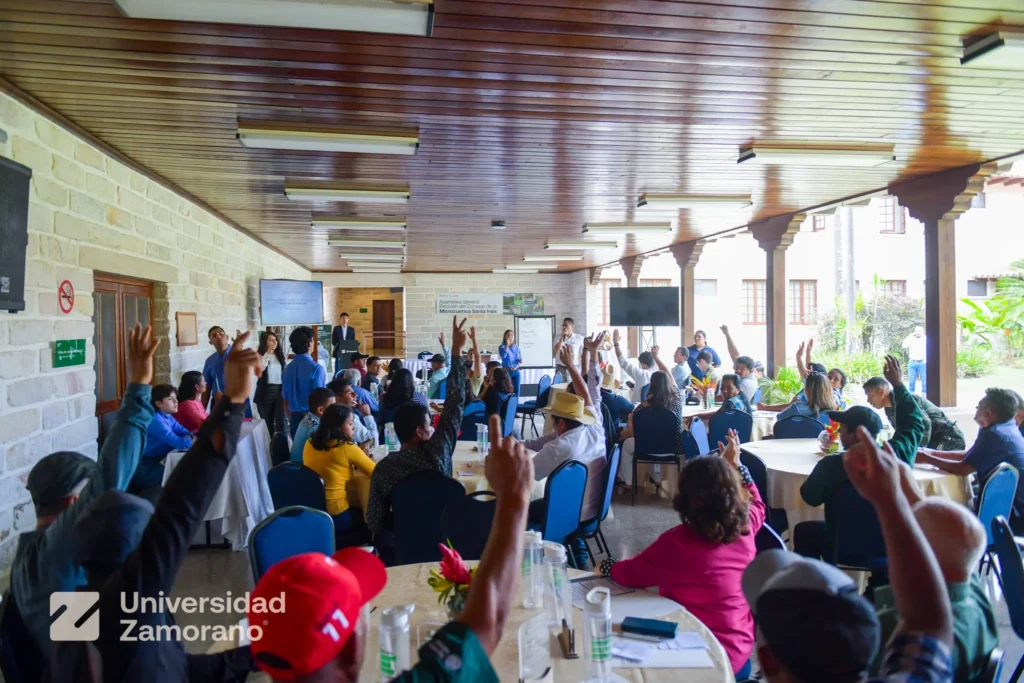
During the session, Eng. Josué León, Coordinator of the Yeguare Project, presented a retrospective of the past decade of management. His report highlighted key technical achievements, as well as the critical challenges the Council will need to address, including the regulation of water extraction points and the mitigation of anthropogenic pressures on the watershed. Following the accountability report from the outgoing board, the assembly moved to the central democratic component of the day: the election of official delegates. In this space, community organization leaders exercised their right to vote, reaffirming social oversight over the management of their natural resources.
The event concluded with the official swearing-in of the new Board of Directors, chaired by Eng. Jacob Espino. Under this legal mandate, the newly appointed community authorities commit to implementing the Annual Operational Plan and advancing the process to obtain legal status. This leadership renewal not only ensures the continuity of conservation efforts but also strengthens the strategic collaboration between academia, central government, and community structures—safeguarding the region’s water future through a participatory and science-based management model.
 English
  Spanish