
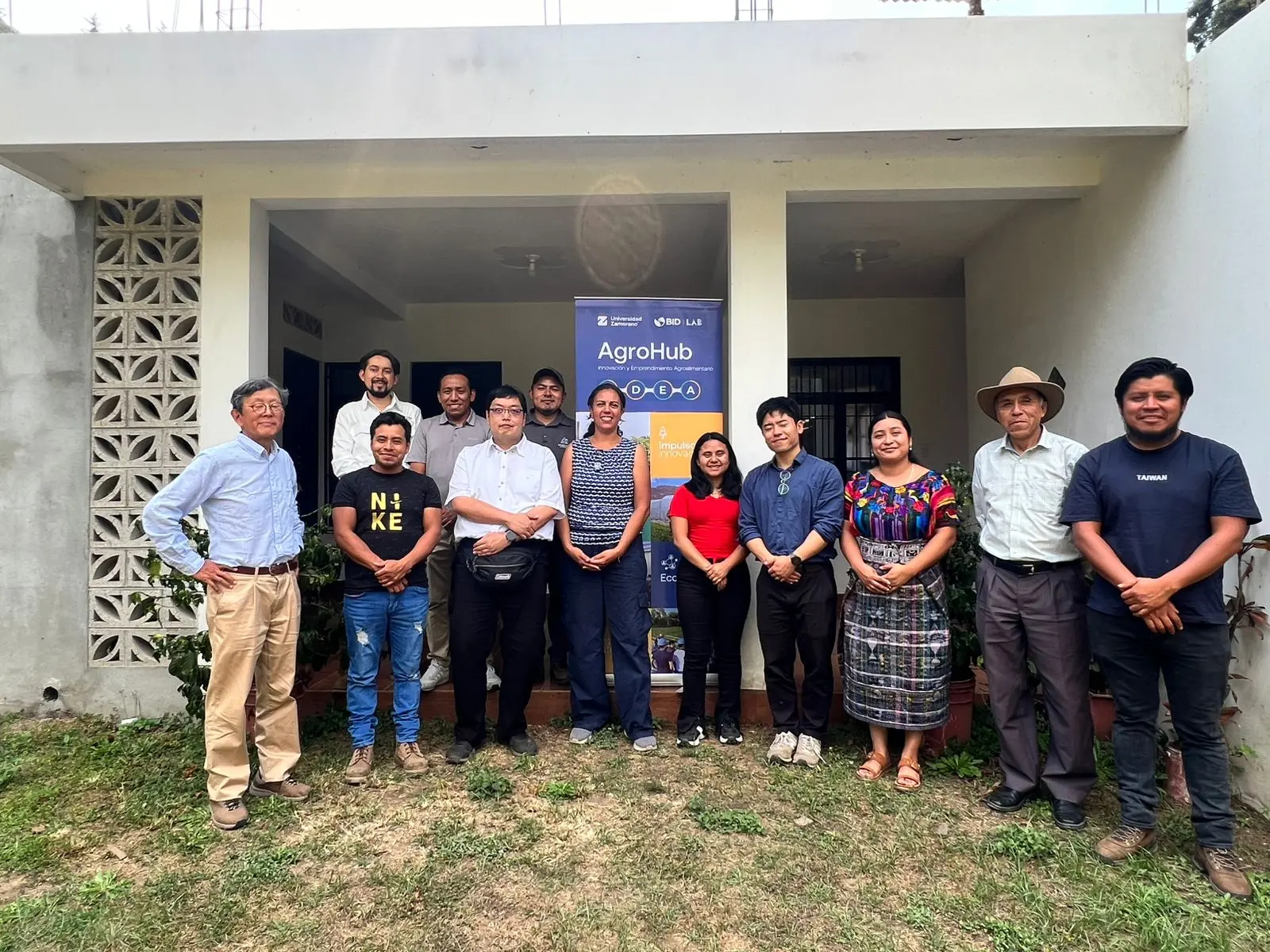
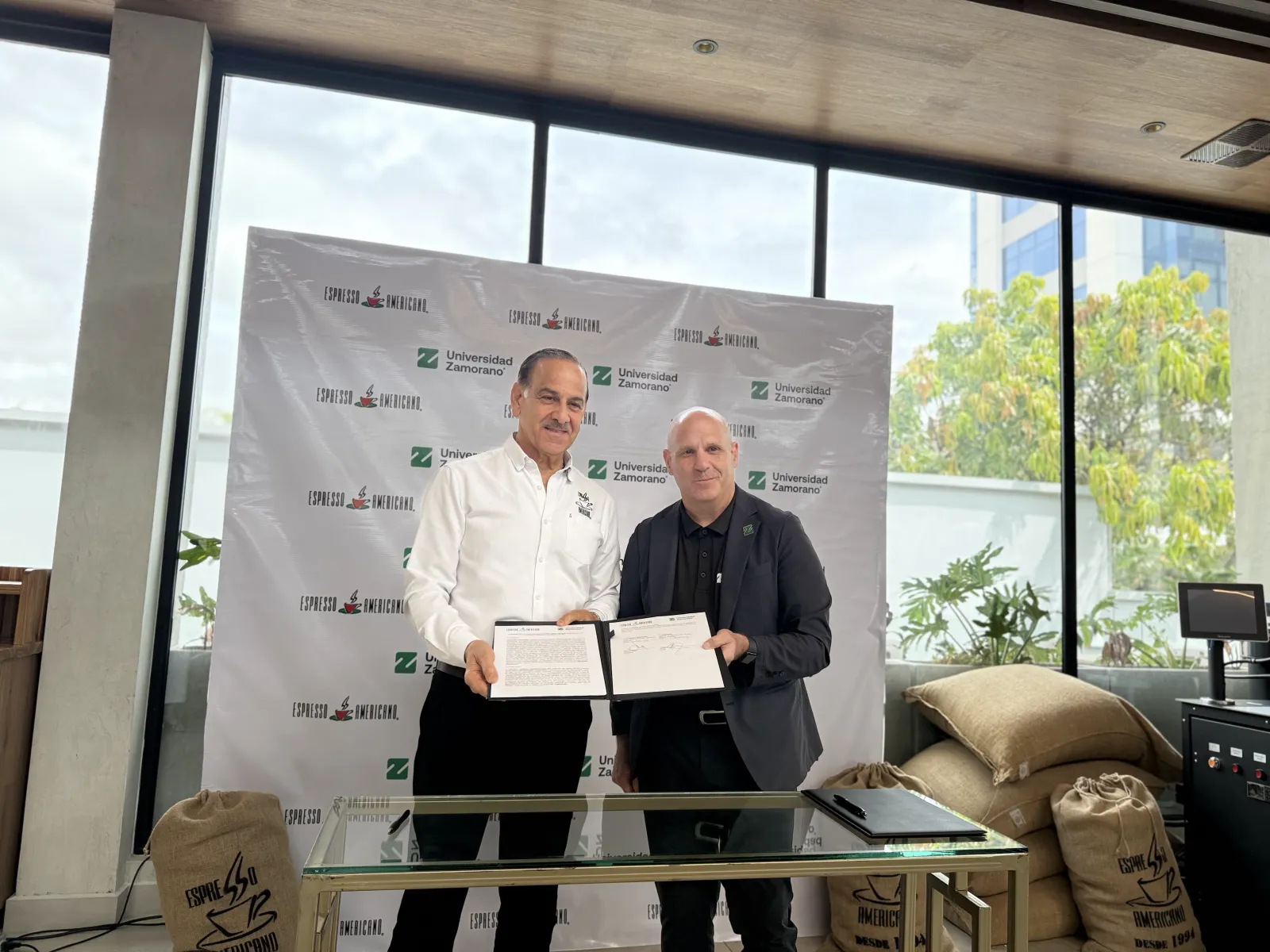
Zamorano University and BID Lab, through the AgroHub Project, continue to promote circular bioeconomy initiatives within Guatemala’s coffee sector through a strategic partnership with the Ministry of Agriculture, Livestock and Food (MAGA), the National Coffee Association (ANACAFÉ), and JICA’s CAFEPROCO Project.
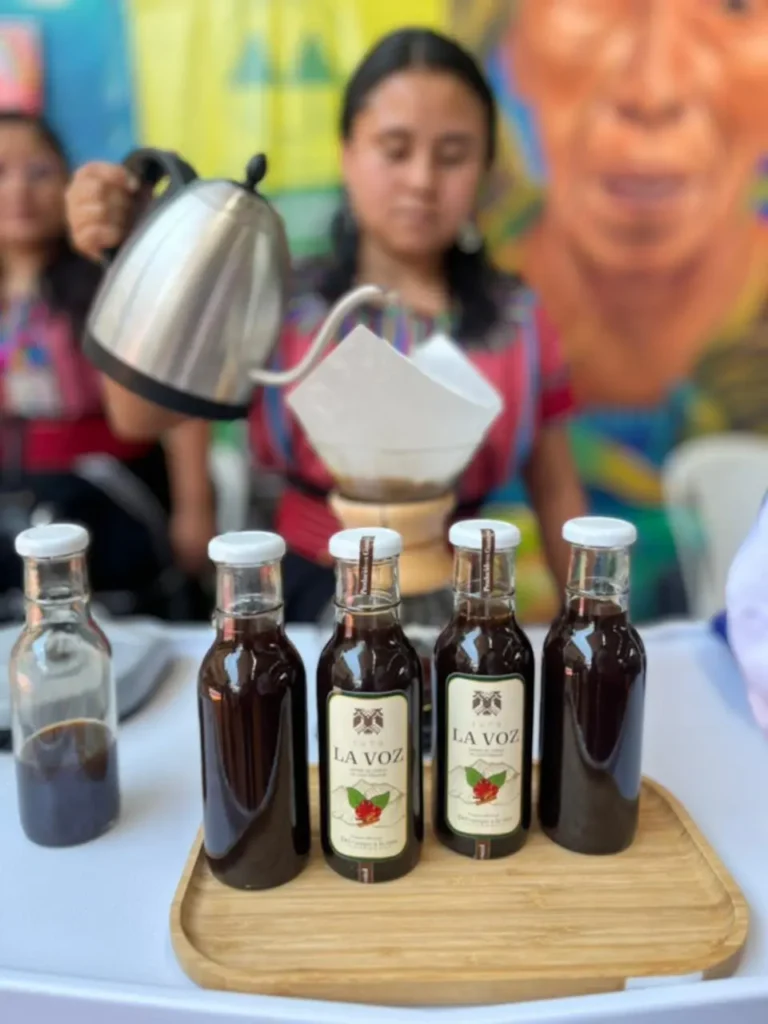
As part of this collaborative effort, progress was made in the creation, validation, and strengthening of brands for coffee husk-based syrups, encouraging the sustainable use of agricultural by-products, the generation of added value, and the commercial growth of three local coffee organizations.
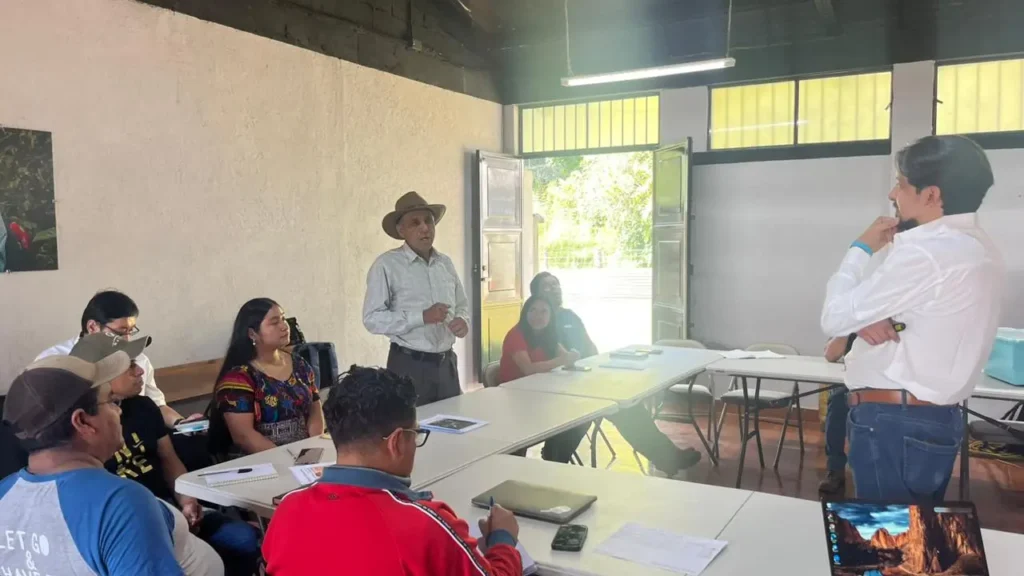
The process began with the development of product prototypes, led by Sandra Espinoza, M.Sc., Professor of New Product Development at Zamorano University, through workshops focused on innovation and product formulation. Subsequently, as part of the branding component, Carlos Varela, Professor of Neuromarketing and Digital Marketing at Zamorano University, led a brand validation and alignment workshop aimed at strengthening the conceptual and visual elements of each commercial proposal.
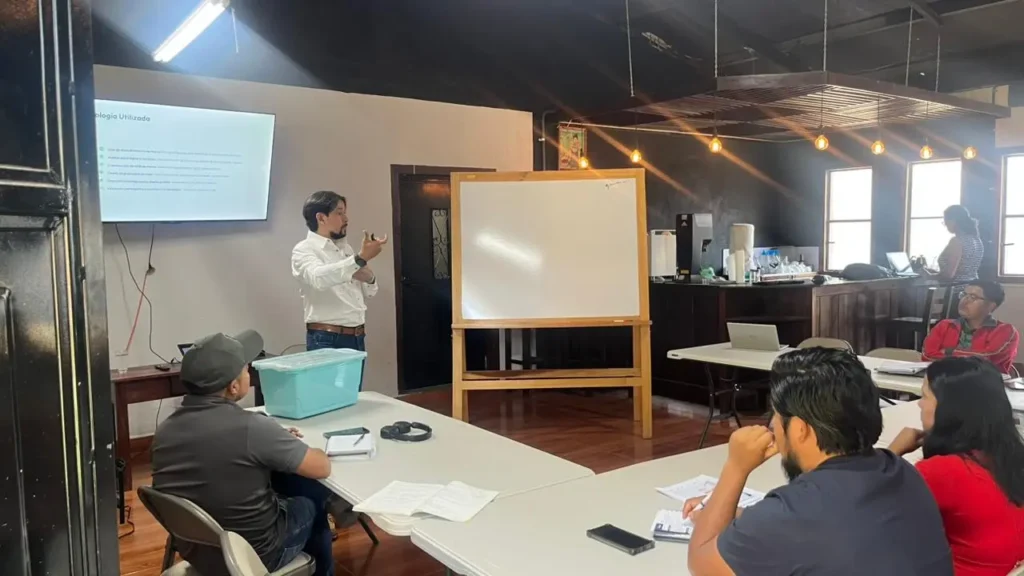
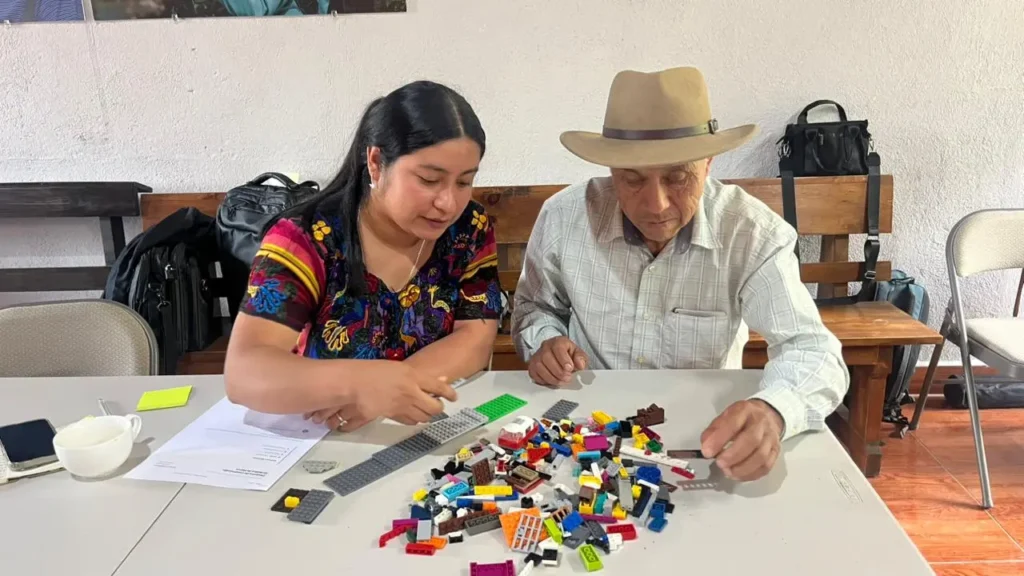
Activities included the development of brand identities, value propositions, and product label designs for initiatives led by Café Juan Ana in San Lucas Tolimán, ADECNISA in San Pedro La Laguna, and the La Voz Que Clama en el Desierto Cooperative in San Juan La Laguna. These organizations received specialized technical support to transform coffee husks into innovative products with the potential to reach differentiated market segments.
In addition, through Zamorano University’s Food Analysis Laboratory, nutritional labeling was developed for the syrups, helping prepare the products for future commercialization.
The results of this process were showcased during the Atitlán Coffee Festival, organized by ANACAFÉ in San Juan La Laguna, where the coffee husk syrups stood out as an innovative alternative for diversifying coffee-derived products and creating new business opportunities for participating organizations.
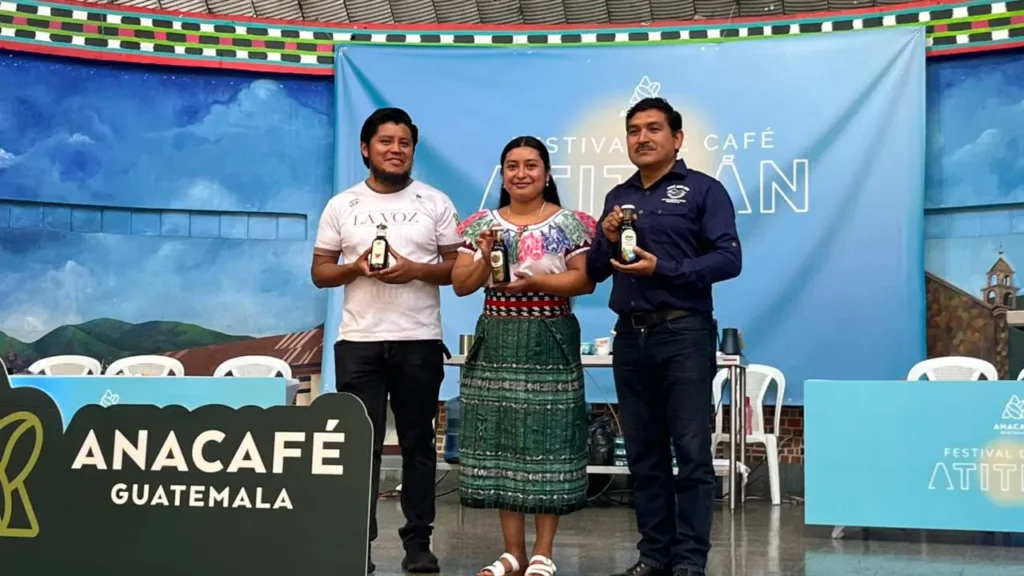
Initiatives such as this demonstrate how innovation within the circular bioeconomy can transform agricultural by-products into sustainable, marketable solutions, contributing to local economic development and strengthening a more sustainable coffee value chain in Guatemala.
 English
  Spanish