
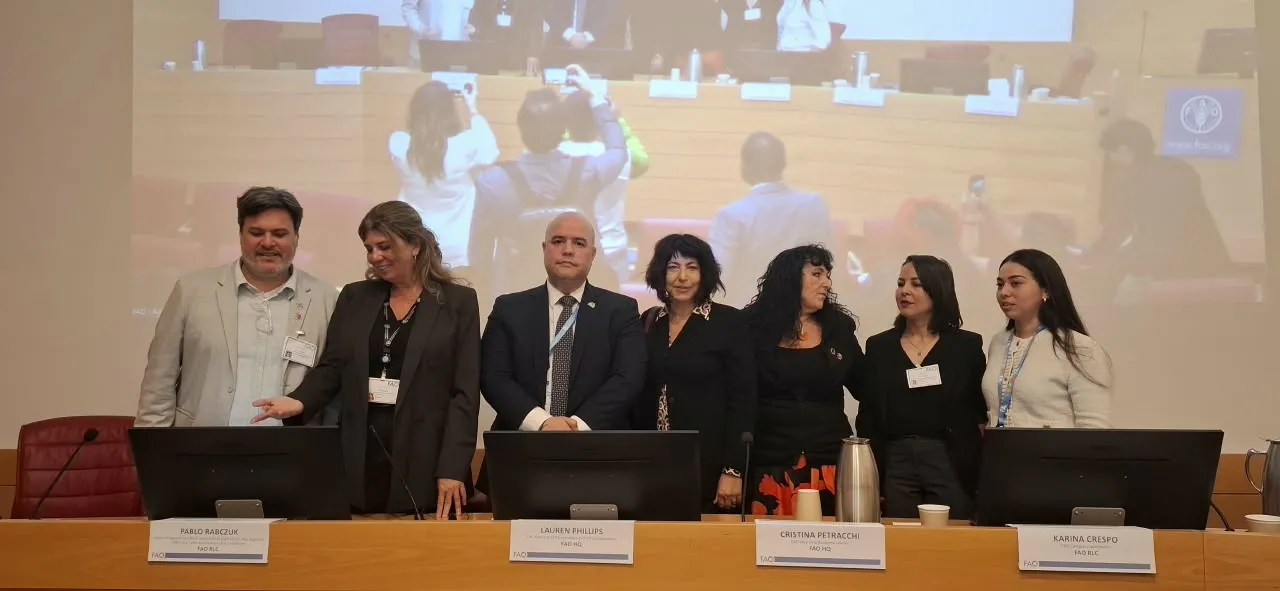
Zamorano University participated in the 2026 World Food Forum (WFF), a leading international platform for dialogue on the future of agrifood systems, hosted by the Food and Agriculture Organization of the United Nations (FAO) from October 12–16 at its headquarters in Rome, Italy. Zamorano was one of only two universities from Latin America and the Caribbean invited to showcase its partnership with FAO Campus, highlighting the role of higher education in advancing knowledge and building the capacity needed to address the region’s agrifood challenges.
The forum brought together government representatives, academic institutions, international organizations, private sector leaders, and young people from around the world to exchange knowledge, foster innovation, and strengthen collaboration toward more sustainable, inclusive, and resilient agrifood systems.
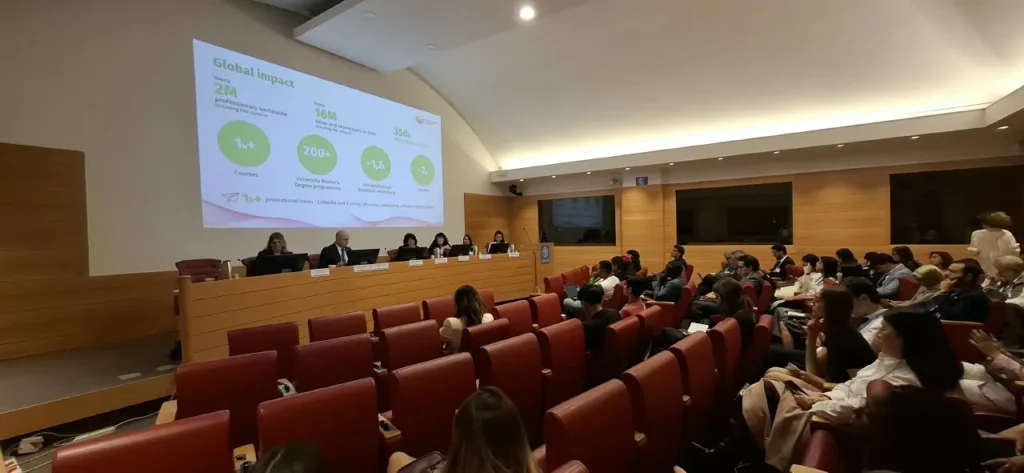
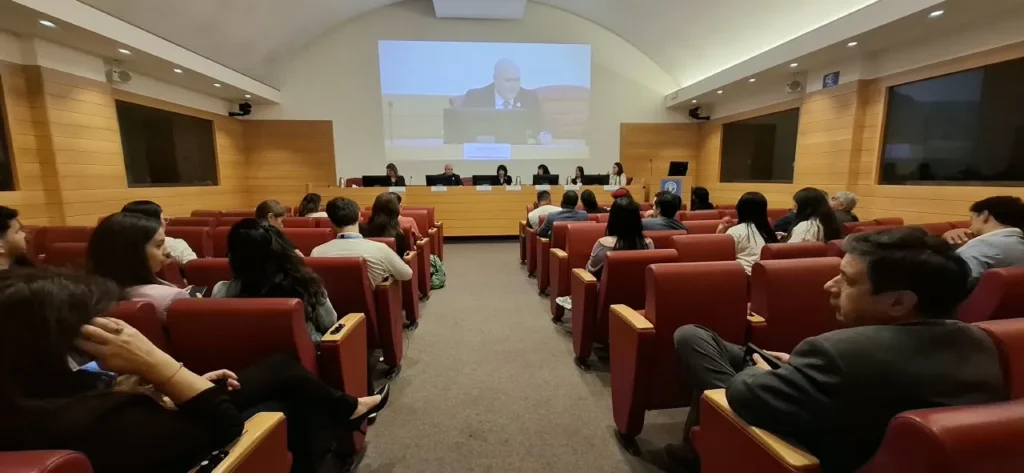
Representing Zamorano University, Francis Denisse McLean, Associate Professor in the Associate Dean's Office for Graduate Studies, served as a panelist during the session Partnerships and Knowledge for Agrifood Transformation in Latin America, held on October 15 and organized by FAO Campus and the FAO eLearning Academy. The discussion featured senior FAO officials, including René Orellana Halkyer, Assistant Director-General and Regional Representative for Latin America and the Caribbean; Lauren Michelle Phillips, Director of the Partnerships and UN Collaboration Division; Cristina Petracchi, Head of the FAO eLearning Academy; and Karina Crespo, FAO Campus Coordinator. The session was moderated by Pablo Rabczuk, Senior Program Officer at FAO's Regional Office.
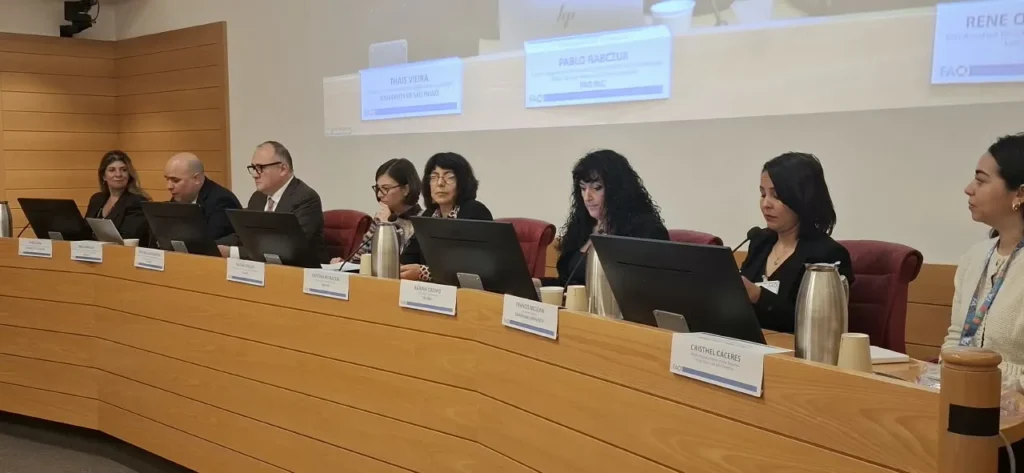
During the session, McLean presented progress on the first FAO Chair at Zamorano University, a joint academic initiative developed with FAO Campus to bring FAO's expertise and educational resources into the university curriculum through free, openly accessible learning materials. The partnership aims to expand access to specialized education and make knowledge that supports agrifood systems transformation more widely available throughout Latin America and the Caribbean.
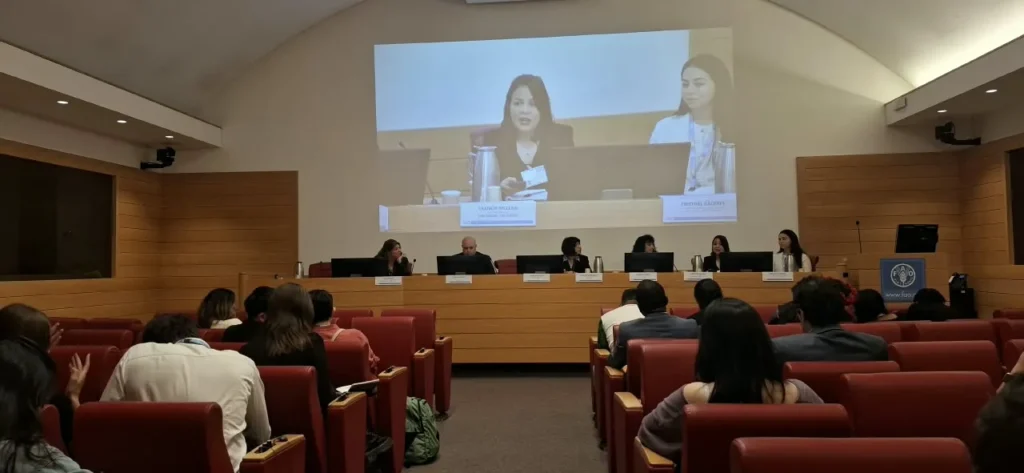
Developed collaboratively since 2025 and reviewed by specialists from FAO's Regional Office, the course explores transition theory and its application to Latin American agrifood systems. It also introduces systems thinking as a framework for understanding complex challenges and identifying pathways for meaningful change. Beyond its integration into Zamorano's academic programs, the course will be available free of charge to professionals, technical specialists, and students across the region, creating additional opportunities for learning and professional development.
The concepts introduced through this first FAO Chair will also provide a foundation for Zamorano University's new Doctoral Program in Sustainable Agrifood Systems, which will welcome its inaugural cohort in January 2027. This connection strengthens the relationship between academic training, research, and the practical challenges facing agrifood systems. Future editions of the FAO Chair are also expected to explore additional issues and emerging priorities across the region.
The initiative is part of FAO Campus's broader academic collaboration network, which has established partnerships with 24 universities across 10 countries. Since 2013, the platform has recorded more than 600,000 enrollments in its training programs, reflecting its efforts to expand access to knowledge and strengthen technical and professional capacity throughout Latin America and the Caribbean.
Following the forum, Pablo Rabczuk sent a letter to Zamorano University expressing his appreciation to the institution and its President, Jeffery P. Cohen, for their continued collaboration. In his message, he emphasized the value of partnerships between universities and international organizations in building capacity, sharing expertise, and advancing innovative solutions. He also expressed FAO's interest in further strengthening this relationship to benefit professionals and entrepreneurs throughout Latin America and the Caribbean.
Zamorano University's participation in the 2026 World Food Forum underscores its commitment to international collaboration, educational innovation, and preparing professionals to drive sustainable agrifood systems transformation. Through initiatives such as the FAO Chair and the continued development of its graduate programs, Zamorano University is expanding its global reach and helping make knowledge more accessible as a catalyst for positive change across the region.
 English
 Spanish