
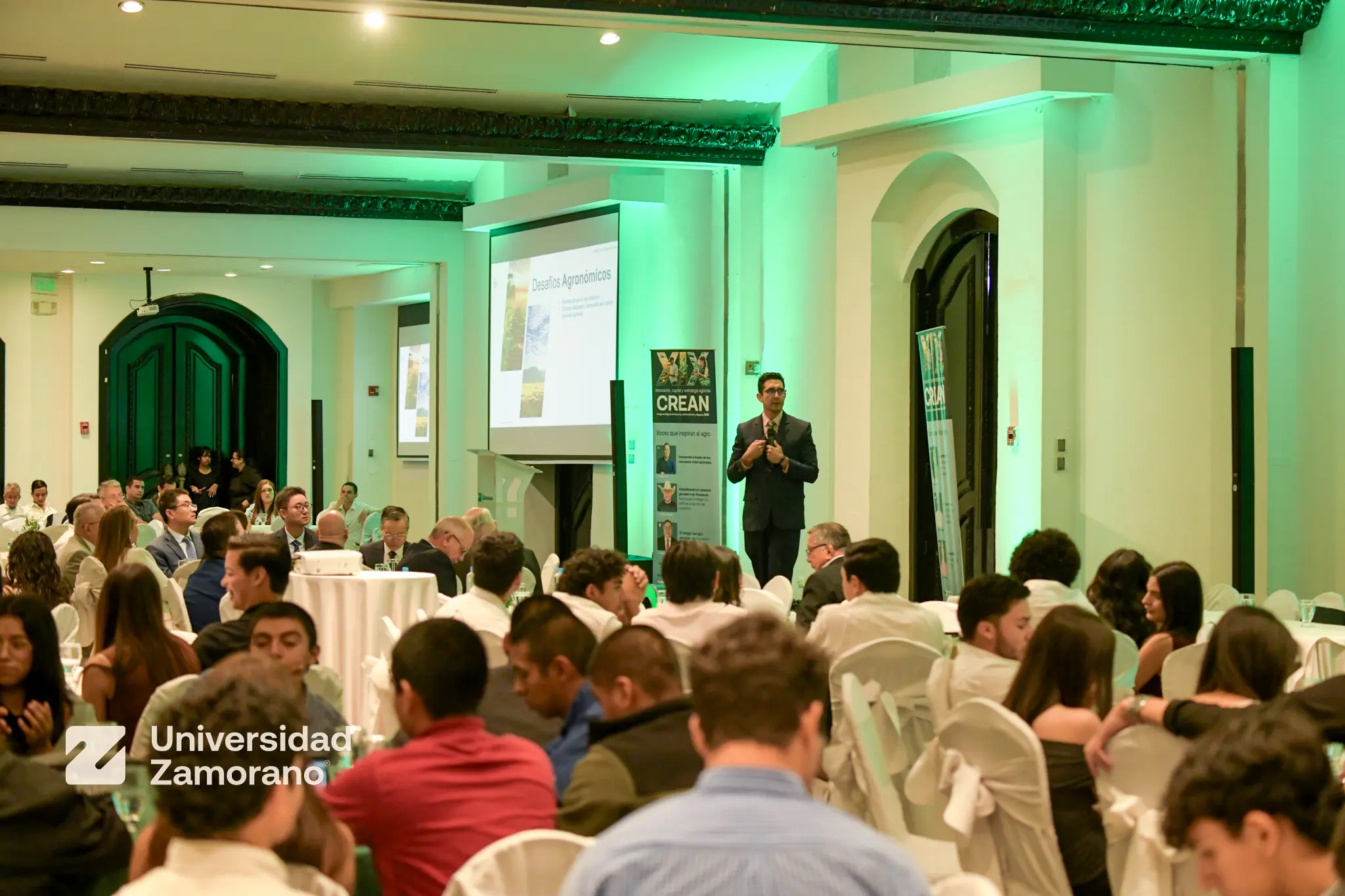
Innovation, capital, technology, sustainability, and markets took center stage at the 19th edition of the Regional Congress on Economics, Administration, and Business (CREAN) 2026, organized by third-year Agribusiness Engineering students at Zamorano University. The event brought together students, professionals, business leaders, entrepreneurs, and experts from across the agrifood sector to exchange knowledge and explore the challenges and opportunities shaping the future of agribusiness in Latin America.
Under the theme “Innovation, Capital, and Agricultural Strategy”, the event was held on September 18 at the Clarion Hotel in Tegucigalpa, Honduras, and featured seven conferences led by experts from Honduras, Guatemala, Colombia, and Peru. Drawing on diverse perspectives and experiences, speakers explored how sustainability, technology, science, international markets, production, and investment can contribute to a more competitive and resilient agrifood sector.
Dr. Lina Maya of Colombia presented “Does Sustainability Pay? Capital, Risk, and Value Creation in Latin American Agriculture”, exploring the relationship between sustainability, investment, and value creation across the agricultural sector.
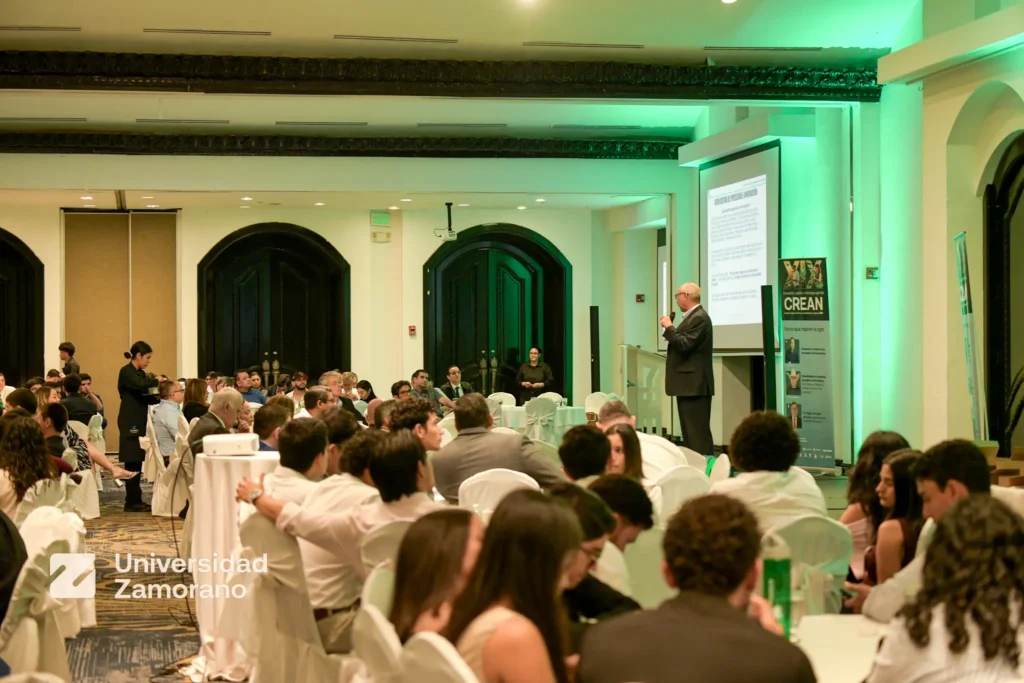
From Honduras, Eng. Ricardo Lardizábal presented “Beyond Awareness: Scaling Technology for Proven Agricultural Resilience in 2026”, while Dr. Carlos J. Esquivel shared his perspective on the role of research and innovation through “Science to Feed the Future: Applied Innovation in Agriculture”.
International markets were also an important part of the conversation. Dr. Camilo Pérez of Colombia explored how global markets can create opportunities to drive innovation and agribusiness growth. Eng. Rufino Martínez of Honduras, meanwhile, examined the potential of technology and artificial intelligence to modernize livestock trade and provide producers with new tools.

Dr. Ernesto Gallo of Peru presented “The Peruvian Agricultural Miracle: Opportunities for Central America”, sharing experiences and lessons from the development of Peru’s agricultural export sector and considering how they could be applied within the Central American context. The program also featured Dr. Francisco Bueso of Honduras, who discussed the role of digital agriculture and how connecting data, markets, and producers can unlock new opportunities and help transform the sector.
Together, these perspectives sparked a regional conversation about the importance of bringing together innovation, capital, knowledge, and strategy to navigate an increasingly dynamic and competitive agrifood landscape.
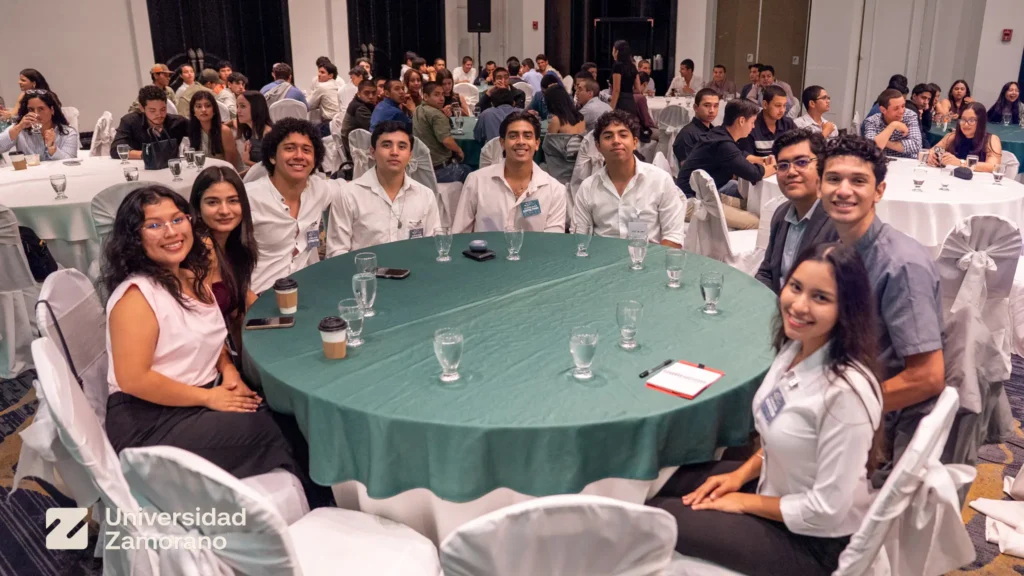
Beyond the conference program, CREAN is also a hands-on learning experience for the students who make the event possible. One of the defining features of the congress throughout its 19 editions has been its student-led organization, led by third-year students of Agribusiness Engineering at Zamorano University, who take an active role throughout the planning and execution of the event.
The experience gives students the opportunity to put their knowledge into practice while strengthening skills in leadership, management, negotiation, and business engagement, as part of the Learning-by-Doing educational model that defines Zamorano University.
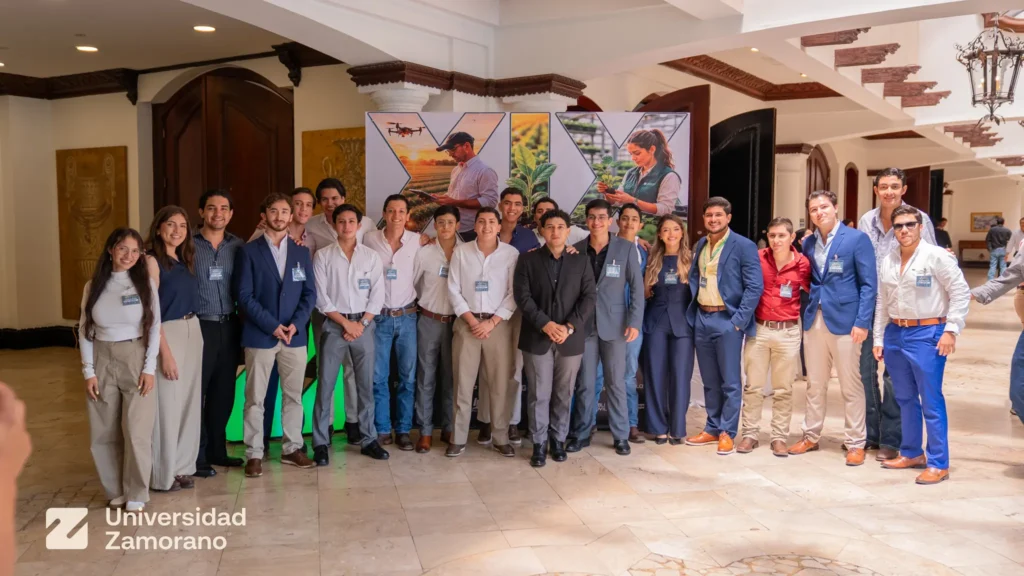
Over the course of 19 editions, CREAN has established itself as a platform that connects new generations with business experience and specialized knowledge, while fostering leadership, entrepreneurship, innovation, and meaningful connections among stakeholders working to advance the agricultural sector.
This year’s congress once again created a space where emerging professionals could engage with experts, business leaders, and industry representatives, exchange experiences, and build connections around the present and future of agribusiness.
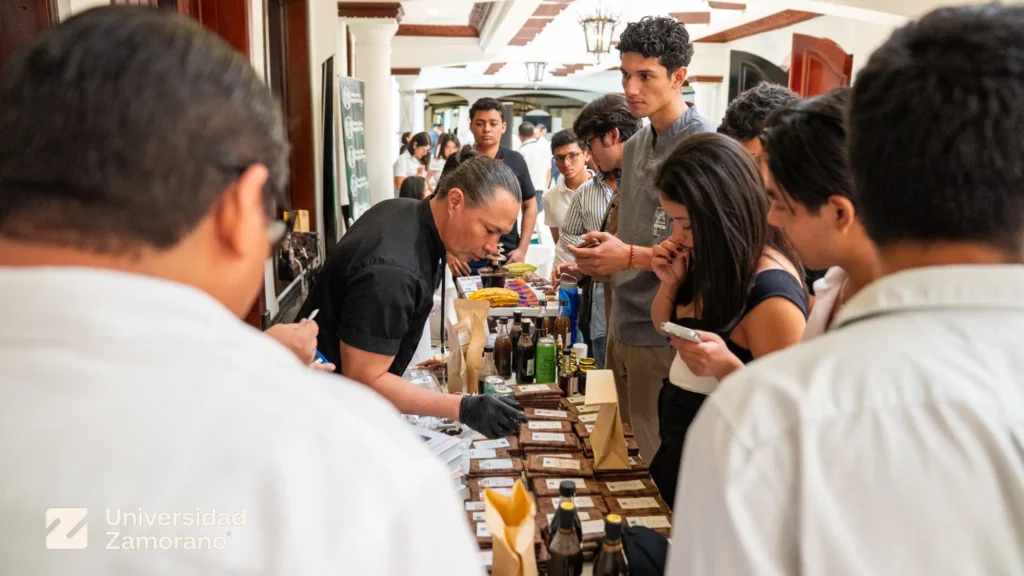
CREAN 2026 was made possible with the support of DISAGRO, through AgritecGEO; Grupo Ficohsa; Latitude; Molino Harinero Sula; Inversiones Ponce; Publimóvil; Hotel Clarion Tegucigalpa; Espresso Americano; Cafetano; Cooperativa Sagrada Familia; Bioaqualab; Atucún and Lácteos Carbajal, organizations that joined the initiative in supporting spaces dedicated to knowledge, innovation, and the continued development of the agrifood sector.
Through CREAN 2026, Zamorano University continues to create experiences that connect academic learning with real-world challenges and opportunities, preparing professionals to develop solutions and build stronger connections between academia, industry, and the next generation of leaders who will help shape the future of agribusiness in Latin America.

 English
  Spanish