
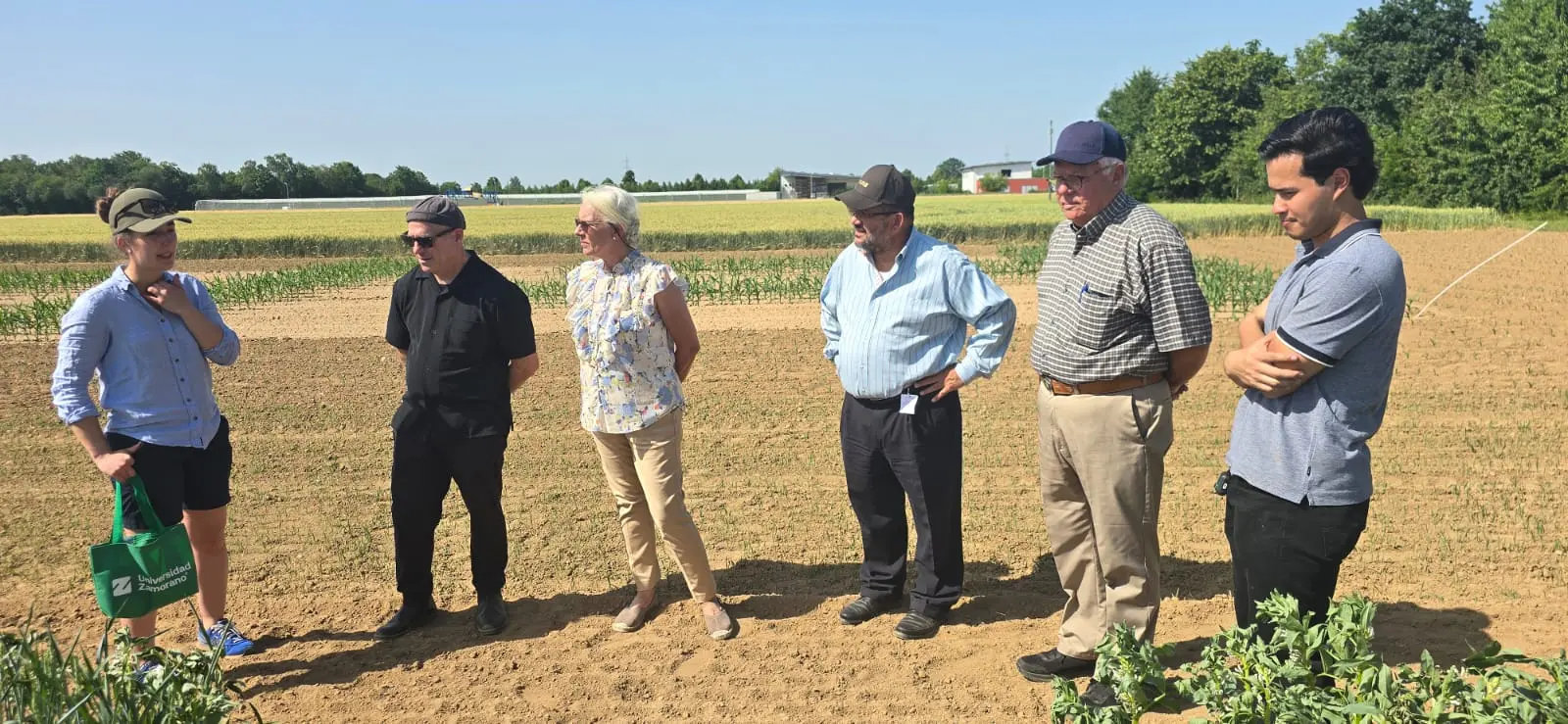
As part of its commitment to academic excellence, innovation, and the expansion of international partnerships, a delegation from Zamorano University traveled to Germany and the Netherlands to visit leading agricultural technology companies, world-class research centers, and academic institutions. The purpose of the mission was to identify new collaboration opportunities that will enhance student learning and contribute to the advancement of the agri-food sector across Latin America.
The delegation was led by Jeff Cohen, President of Zamorano University, and included David Moreira, Vice President of Productive Units; Lucía Ruiz and Robbie Watson, members of the Board of Trustees; Arnaldo Burgos, a strategic partner of the university; as well as Zamorano alumni and other strategic partners committed to supporting the university's continued growth and global engagement.
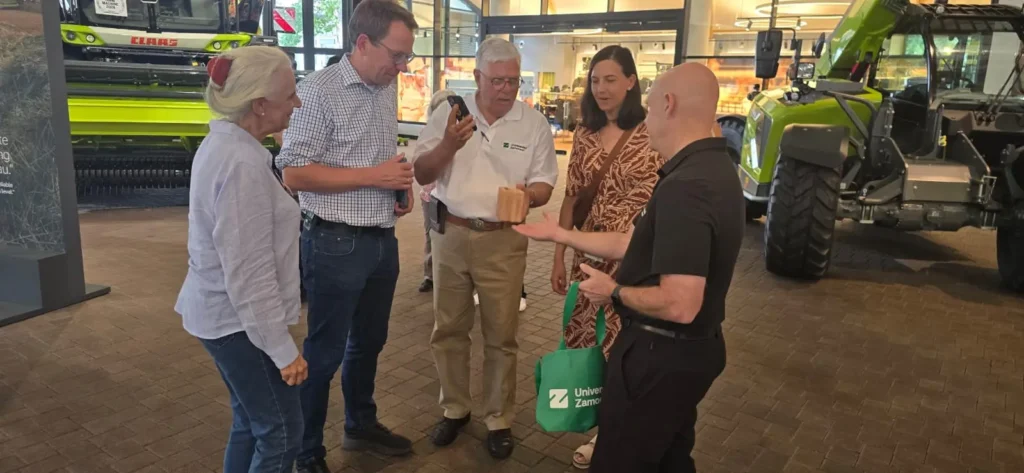
Among the organizations visited was CLAAS, one of the world's leading manufacturers of agricultural machinery. During the visit, the delegation toured the company's state-of-the-art production facilities, museum, and showroom, and met with the Latin America sales team to explore new opportunities for collaboration. The discussions advanced initiatives related to strengthening the University's agricultural equipment capabilities and developing a long-term strategic relationship.
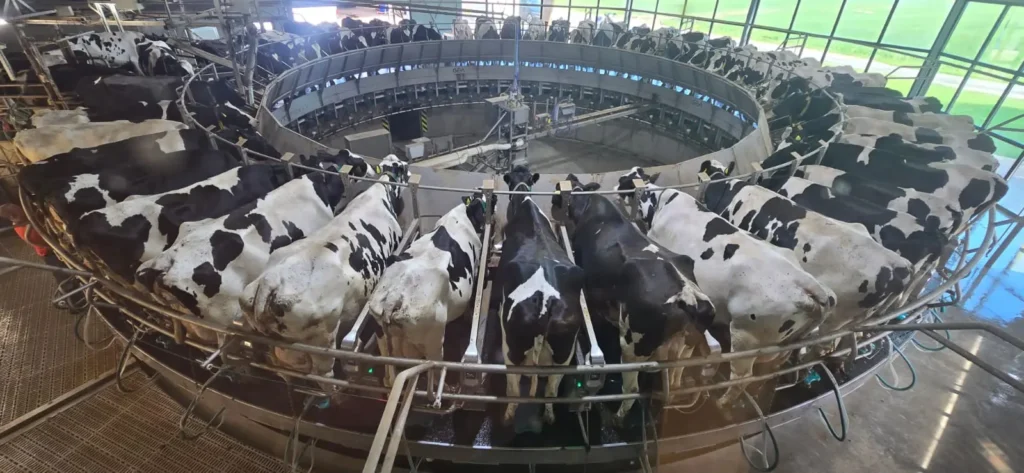
The delegation also visited GEA, a global leader in dairy farming technologies. The visit provided valuable insights into automated livestock feeding systems, robotic milking technologies, and innovative sustainable farming solutions implemented at a model dairy farm in the Netherlands. The team also learned about biodigester systems designed to generate renewable energy while supporting circular economy practices.
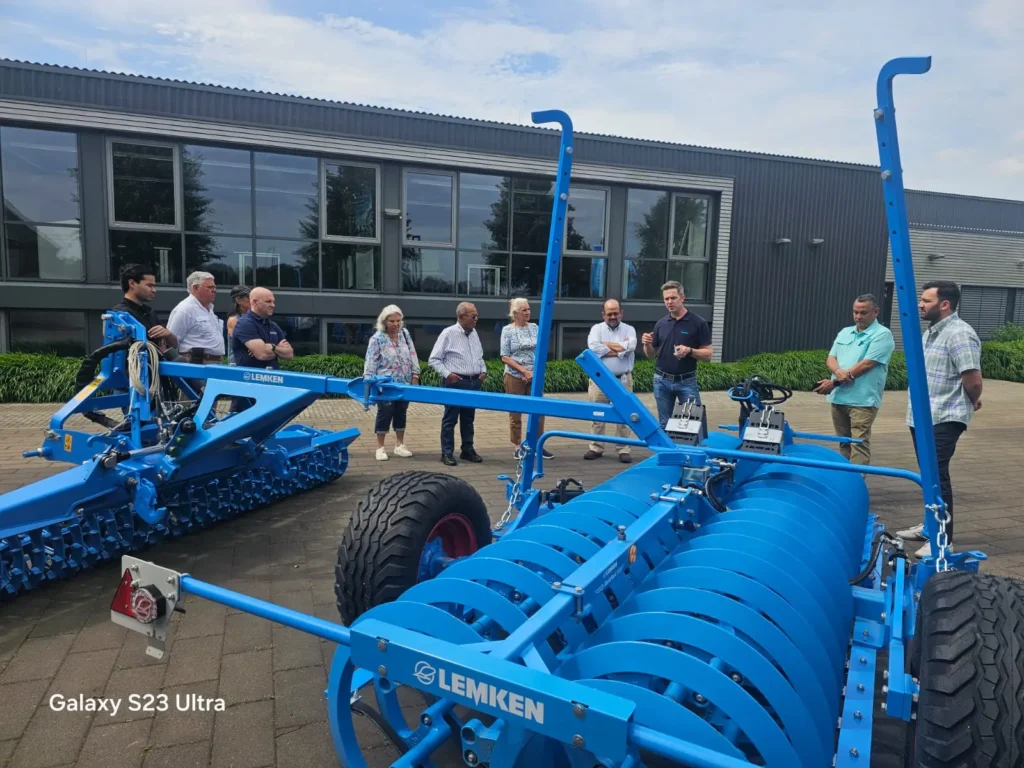
Another key stop was LEMKEN, a leading manufacturer of equipment for soil conservation, seeding, and crop protection. The delegation explored highly advanced manufacturing processes, precision agriculture technologies, and specialized machinery for modern farming systems. The visit also created opportunities to discuss future equipment acquisitions, collaborative projects, and a long-term partnership that will strengthen Zamorano University's productive and academic units.
As part of the scientific component of the mission, the delegation visited the Klein-Altendorf Research and Demonstration Center at the University of Bonn, where they learned about research focused on soil conservation, erosion control, innovative growing substrates, and bioenergy production. These initiatives offer promising opportunities for collaborative research, knowledge exchange, and internship programs for students and researchers.
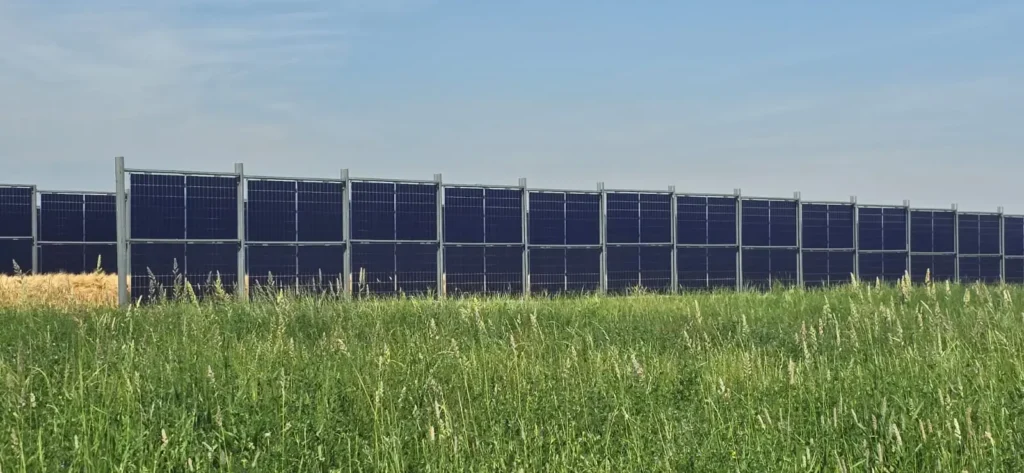
The agenda concluded with a visit to the Jülich Research Center, one of Europe's leading scientific research institutions. The delegation toured laboratories, greenhouses, robotics platforms, smart agriculture technologies, and applied research projects. They also visited an open-pit mine reclamation project recognized internationally for its innovative approach to environmental restoration and regional transformation, where agriculture, sustainability, and community development are playing a central role in creating a new economic future.
Throughout the mission, Zamorano University leaders met with organizations that share the University's vision of advancing a more sustainable, resilient, and innovative agricultural sector. Key outcomes of the visit include identifying opportunities for collaborative research, academic exchange programs, international student internships, technology transfer, and strategic partnerships that will further strengthen Zamorano's Learn by Doing educational model.
Con este tipo de iniciativas, la Universidad Zamorano reafirma su compromiso de conectar a su comunidad con las mejores prácticas, tecnologías y centros de conocimiento del mundo, fortaleciendo la formación de profesionales capaces de liderar la transformación de los sistemas agroalimentarios y responder a los desafíos presentes y futuros de la región.

 English
  Spanish