
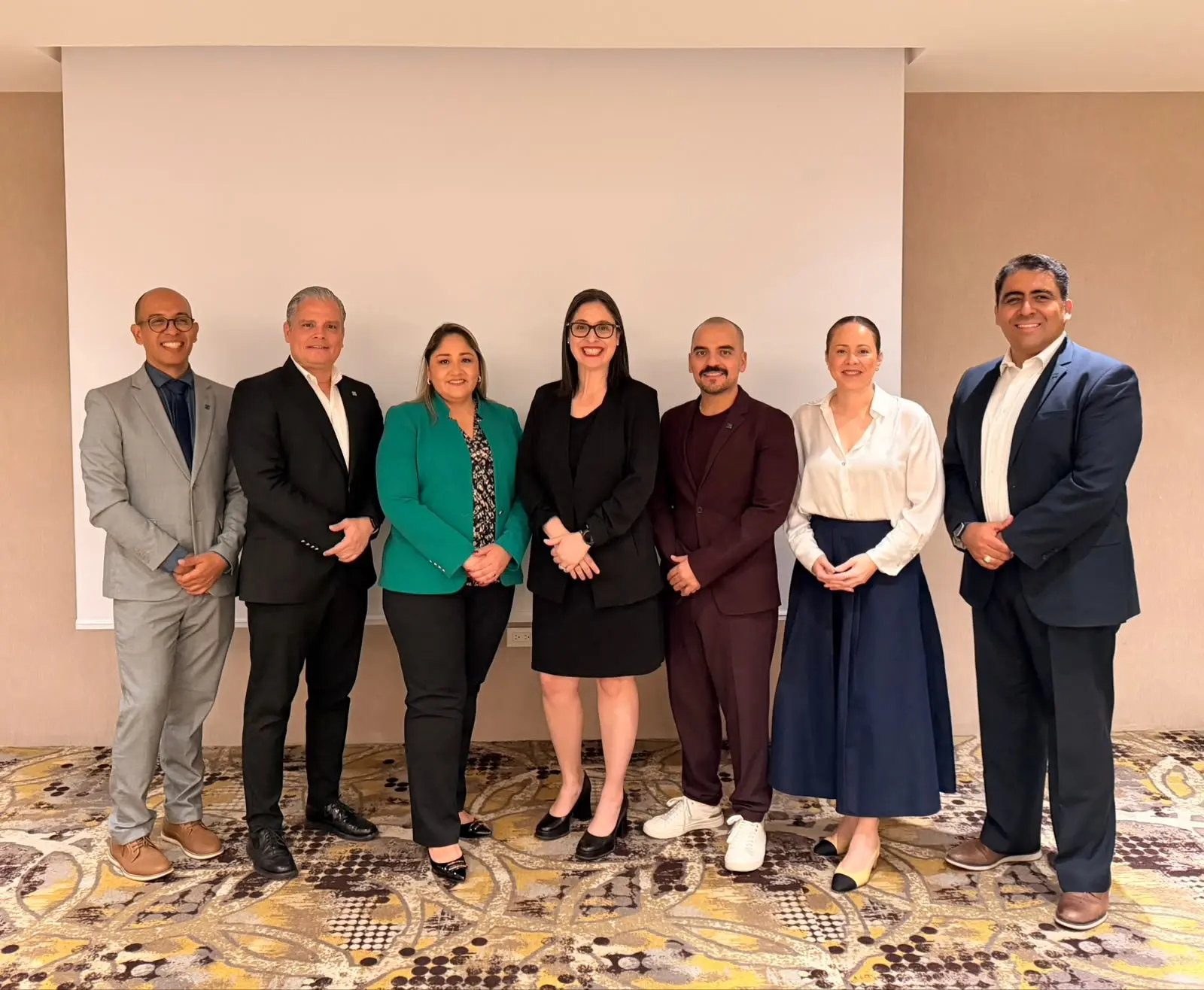
Zamorano University officially launched its new Doctorate in Sustainable Agrifood Systems, an academic program designed to develop leaders capable of transforming agrifood systems, strengthening food security, and creating innovative solutions to address the challenges of climate change and sustainability across Latin America.
The launch events, held in Guatemala City, Guatemala, and San Pedro Sula, Honduras, brought together representatives from the productive sector, international cooperation organizations, agribusiness professionals, business leaders, academics, and stakeholders interested in learning about the new educational opportunities offered by Zamorano University to address the evolving needs of the agrifood sector.
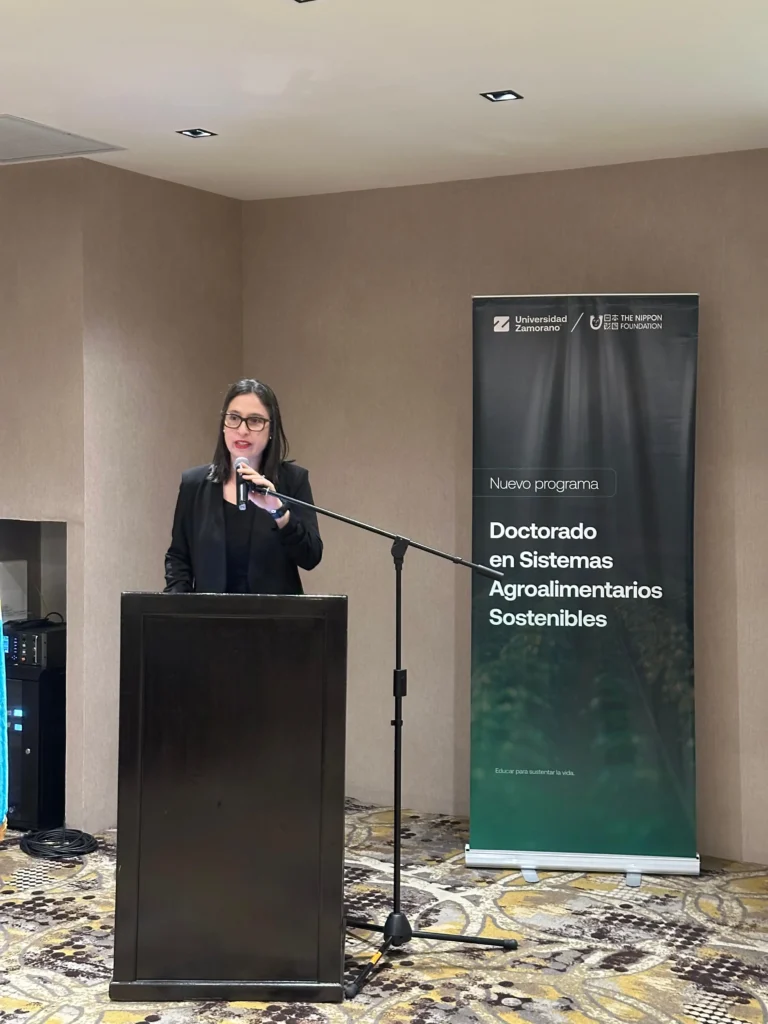
The events began with welcoming remarks from Dr. Ana Margarita Maier, Vice President and Academic Dean of Zamorano University, who emphasized the importance of strengthening the education of professionals capable of leading transformational processes in a context characterized by increasing food demand, climate variability, the sustainable management of natural resources, and the need to build more resilient and inclusive agrifood systems.
José Óscar Murillo, Graduate Academic Coordinator, officially introduced the Doctorate in Sustainable Agrifood Systems, presenting the vision, structure, and value proposition of this innovative program. He explained that the doctorate aims to bridge the gap between research and practical implementation by promoting an interdisciplinary approach that integrates sustainability, leadership, innovation, and applied research to generate meaningful impact within organizations, territories, and production systems.
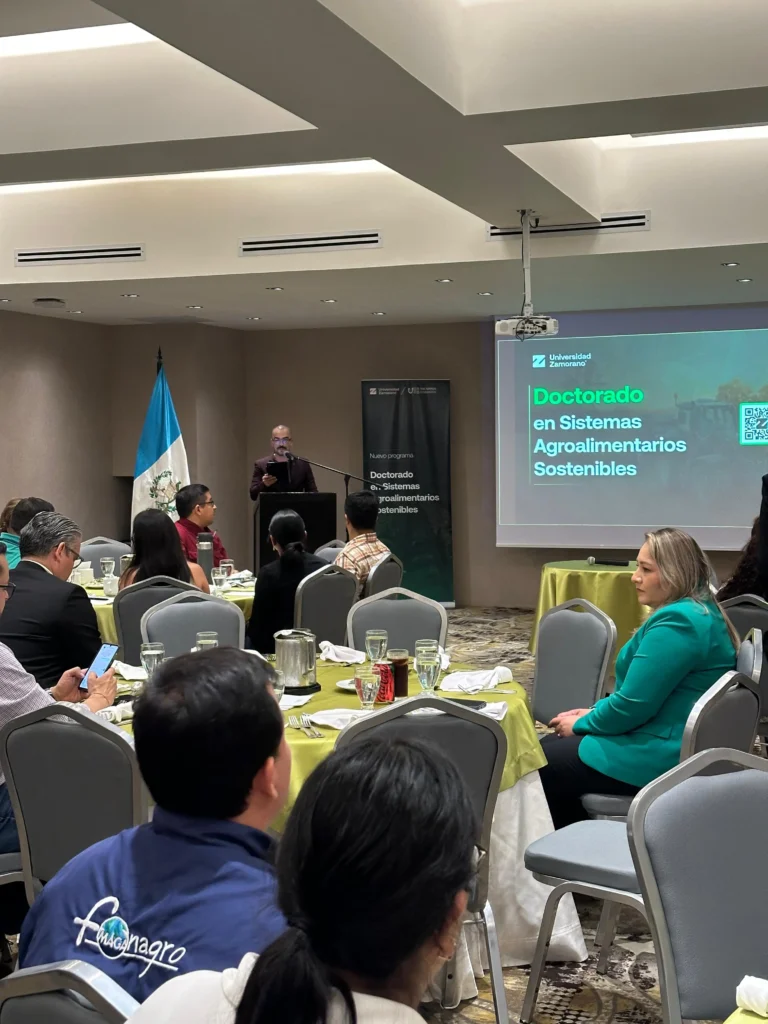
Attendees also learned about other professional development opportunities offered by the institution. Pedro Sánchez, Continuing Education Manager, presented Zamorano’s continuing education portfolio, highlighting specialized training and professional development programs designed to strengthen competencies and respond to the changing demands of both the labor market and the agrifood sector.
In addition, Ivanna Vejarano, Admissions Manager, shared information about Zamorano University’s undergraduate academic offerings, emphasizing the institution’s renowned Learning by Doing educational model, which has distinguished Zamorano for more than eight decades in preparing leaders for the development of Latin America.
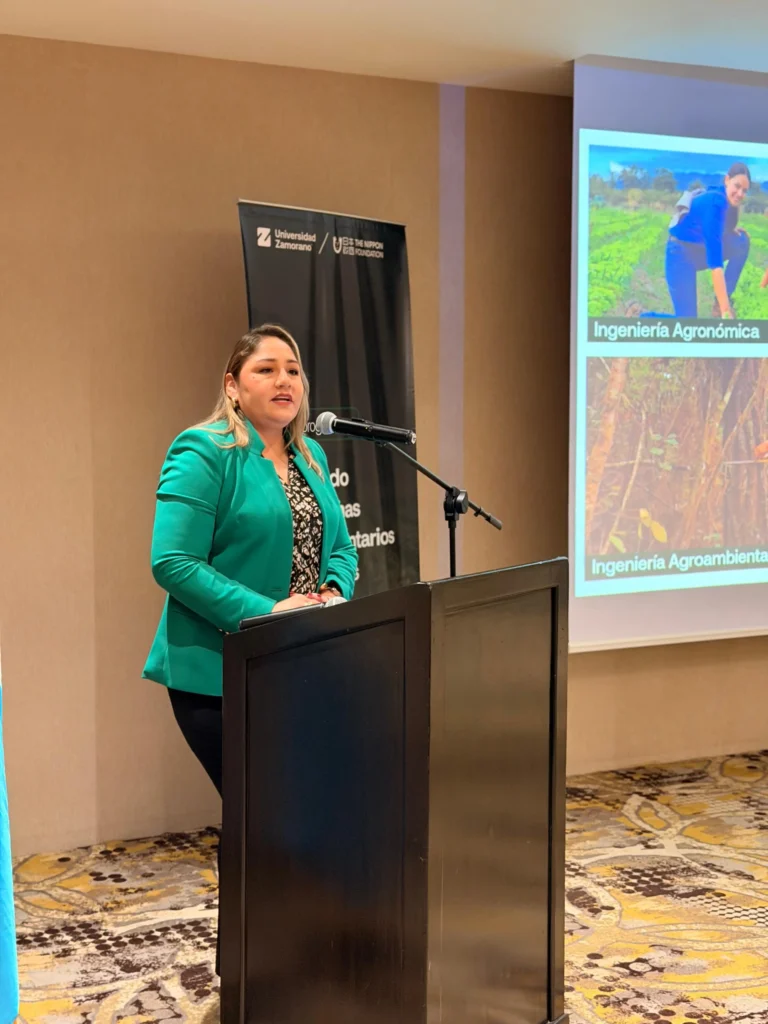
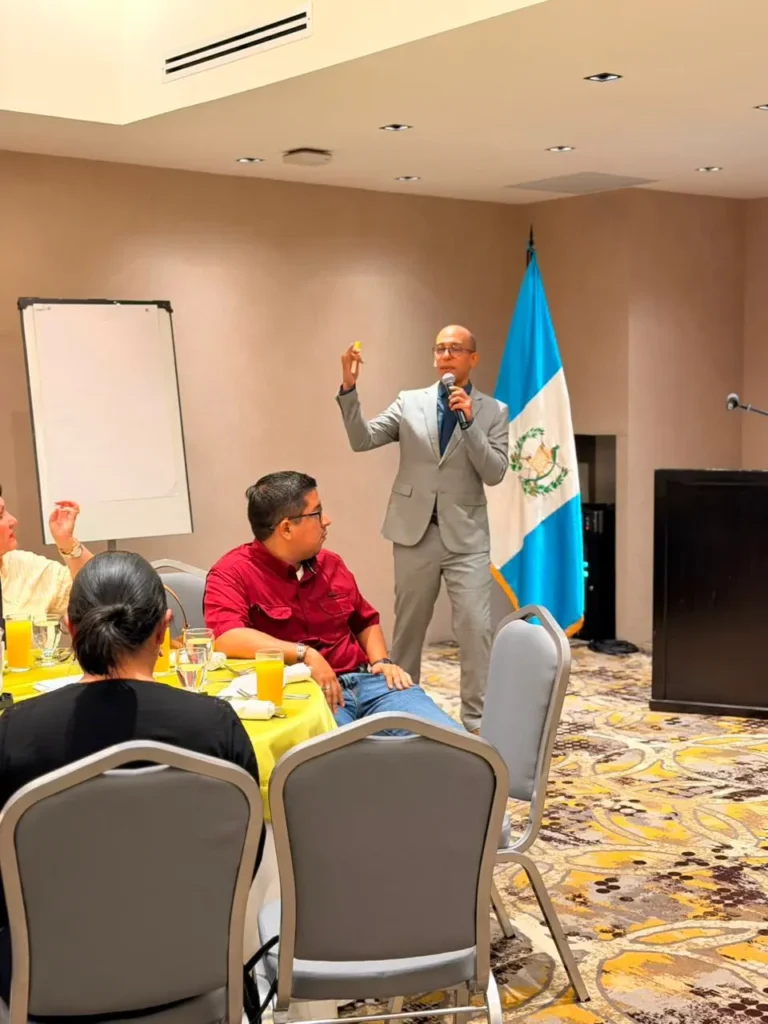
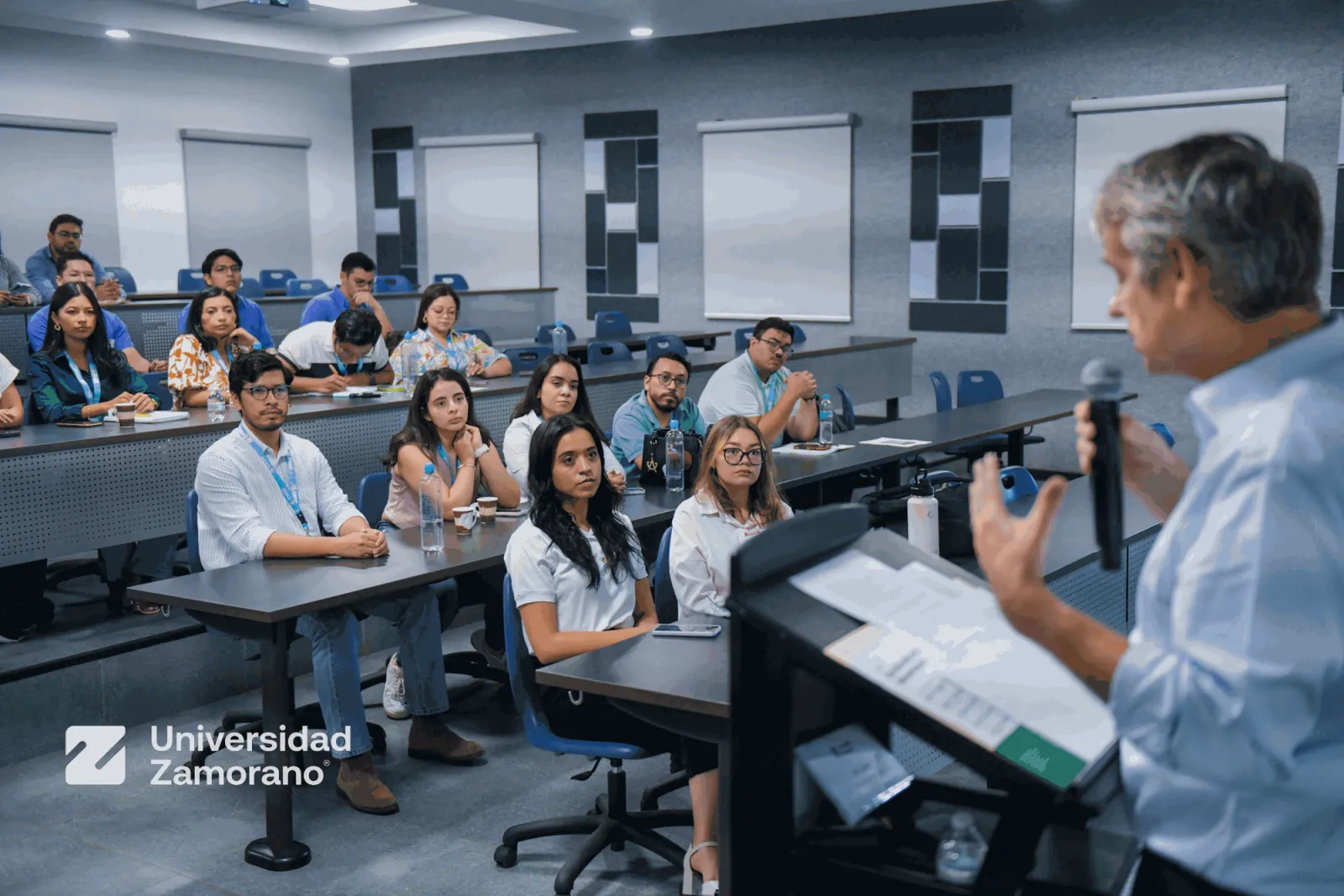
As a central component of both events, participants attended the masterclass “Redesigning Agrifood Systems: Creating Circular Business Models,” delivered by Dr. Jorge Cardona, professor at Zamorano University and specialist in food science and technology.
The presentation explored strategic topics shaping the future of agriculture and agribusiness, including food security, agricultural sustainability, circular economy principles, agrifood innovation, efficient natural resource management, climate resilience, food loss and waste reduction, and the transformation of production systems to address both current and future challenges facing the sector.
The launch of the doctorate took place at a time when Central American countries are confronting significant challenges related to climate change, food security, natural resource degradation, water scarcity, and the urgent need to strengthen the resilience of agrifood systems.
In response to these realities, the Doctorate in Sustainable Agrifood Systems was designed for professionals seeking to enhance their leadership capabilities, applied research skills, and strategic decision-making abilities to drive transformational processes within organizations, communities, and territories.
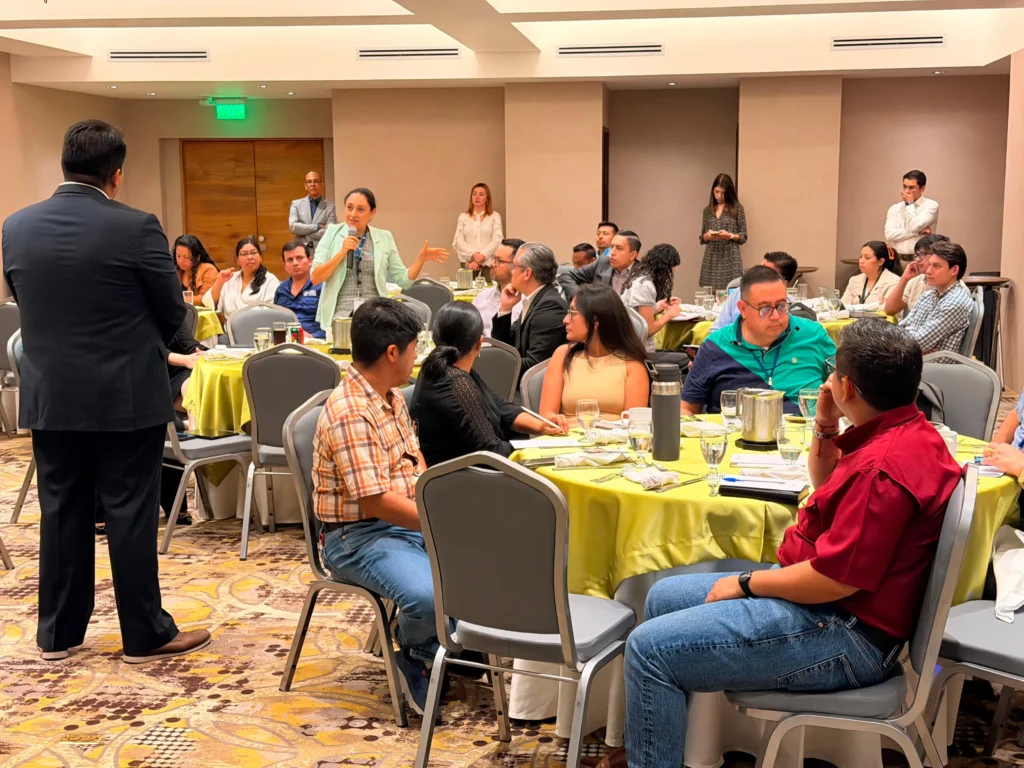
Unlike traditional doctoral programs, this program combines academic rigor with a practical, solution-oriented approach, enabling participants to develop applied projects with strong potential for implementation and tangible impact across the agrifood sector.
Its learning model integrates virtual and in-person experiences, applied research, international collaboration, specialized masterclasses, and the development of a doctoral project tailored to each participant’s professional context, needs, and challenges.
Through the launch of this new program, Zamorano reaffirms its commitment to preparing professionals capable of leading the sustainable transformation of agrifood systems throughout Latin America.
Through initiatives such as this, the University continues to strengthen its mission of generating knowledge, promoting innovation, and contributing to the development of solutions that address the challenges of sustainable food production, climate change adaptation, agrifood sector competitiveness, and the well-being of rural communities.
 English
  Spanish