
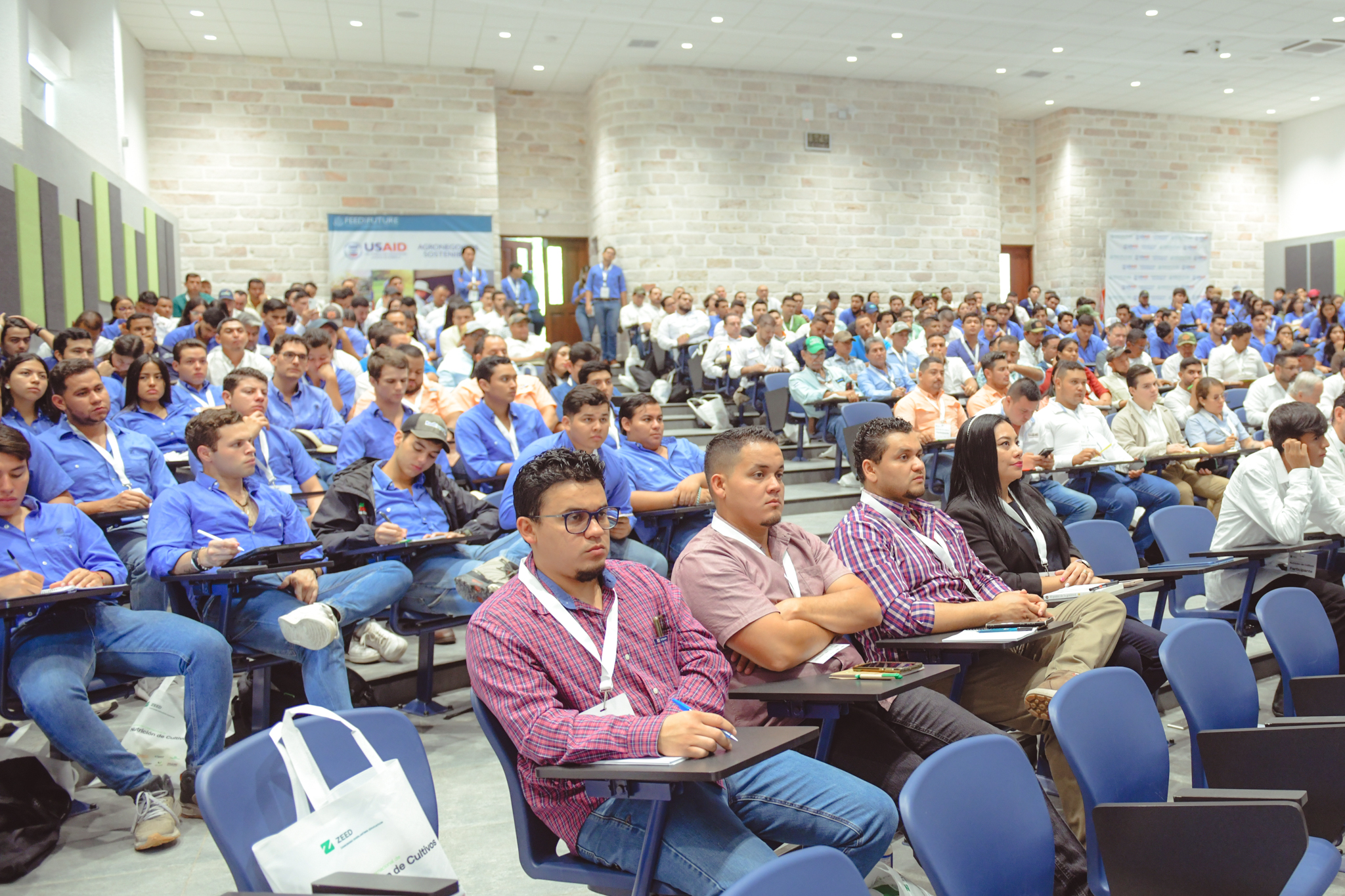
Zamorano, October 16, 2024
The First International Symposium on Crop Nutrition was successfully concluded, bringing together distinguished experts, researchers, and professionals from the agricultural sector to share knowledge and discuss the latest advancements in crop nutrition, soil fertility, and sustainability in agriculture.
During the symposium, we had the privilege of hosting renowned international speakers who addressed crucial topics for the development of more efficient and sustainable agriculture. Among the speakers were:
- Chris Ferreira, Agronomy Engineer from the Federal University of Paraná, Brazil, soil specialist, and MBA in Agricultural Business Management. He is currently the General Manager of Business at Verdesian Life Sciences for LATAM and Spain.
- José Rodolfo Mite Cáceres, Agronomy Engineer with an M.Sc. in Agricultural Physiology and Economics, and a Ph.D. in Soil Science and Plant Nutrition from Louisiana State University, USA. He is responsible for development and innovation at Nutrien Ag Solutions (USA).
- Luis Gerardo Castillo Ortiz, Agronomy Engineer, specialist in tropical and temperate crop nutrition, and Sales Manager for Latin America at Horizon Ag-Products (Guatemala).
- Francisco Restrepo Higuita, Agronomy Engineer with an M.Sc. in Soil Science and Crop Nutrition from the National University of Colombia. He is the Technical Manager at Agrosilicium SAS (Colombia).
- Anaité Carolina Herrera Ramos, B.S. in Chemistry, M.Sc. in Soil Chemistry from Cornell University, USA, and Head of the Agricultural Research and Development Department at DISAGRO (Guatemala).
- Leonel Espinoza, Agronomy Engineer, M.Sc. in Soil Fertility, Ph.D. in Soil Chemistry from the University of Florida, USA, Emeritus Professor at the University of Arkansas, and international consultant.
- John Jairo Franco Hermida, Agricultural Engineer, M.Sc. in Soil and Water Sciences, Ph.D. in Protected Agriculture from the University of Almería, Spain. He is an expert in intensive agriculture, fertigation, and climate control (Colombia).
- Ricardo Navarro Padilla, Agronomy Engineer, M.Sc. in Soil Fertility and Plant Nutrition from the University of Buenos Aires, Argentina, and Technical and Agricultural Research Manager at AMVAC (Nicaragua).
- Manuel Iván Gómez Sánchez, Agronomy Engineer, M.Sc. in Soils, Waters, and Plant Nutrition, Ph.D. in Agricultural Sciences with a focus on Plant Physiology from the National University of Colombia, and Technical-Scientific Manager at Ingeplant Group (Colombia).
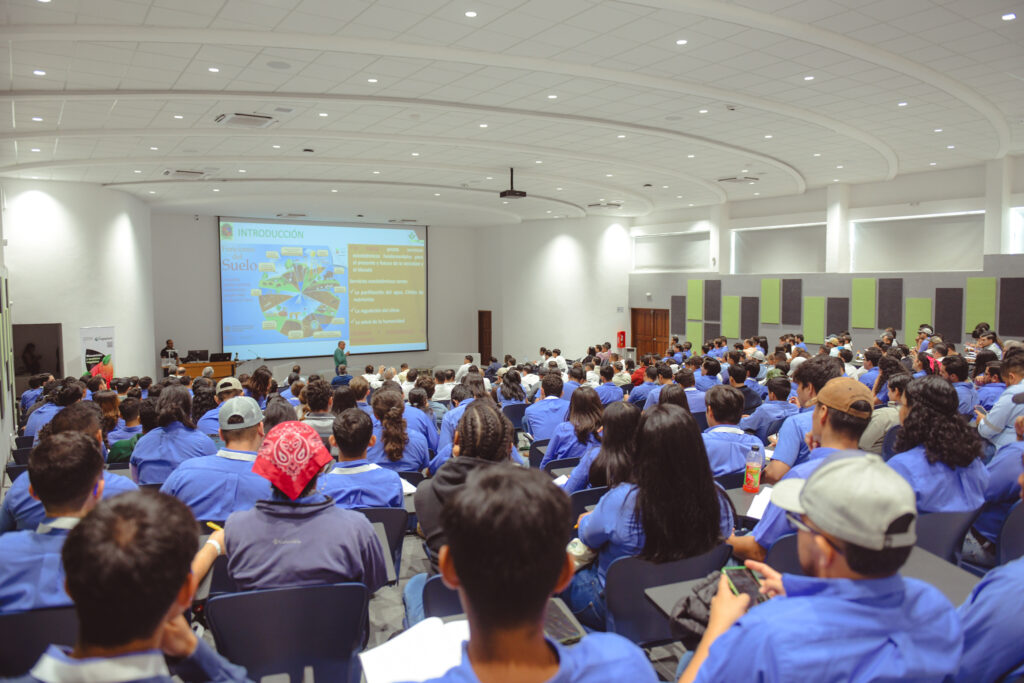
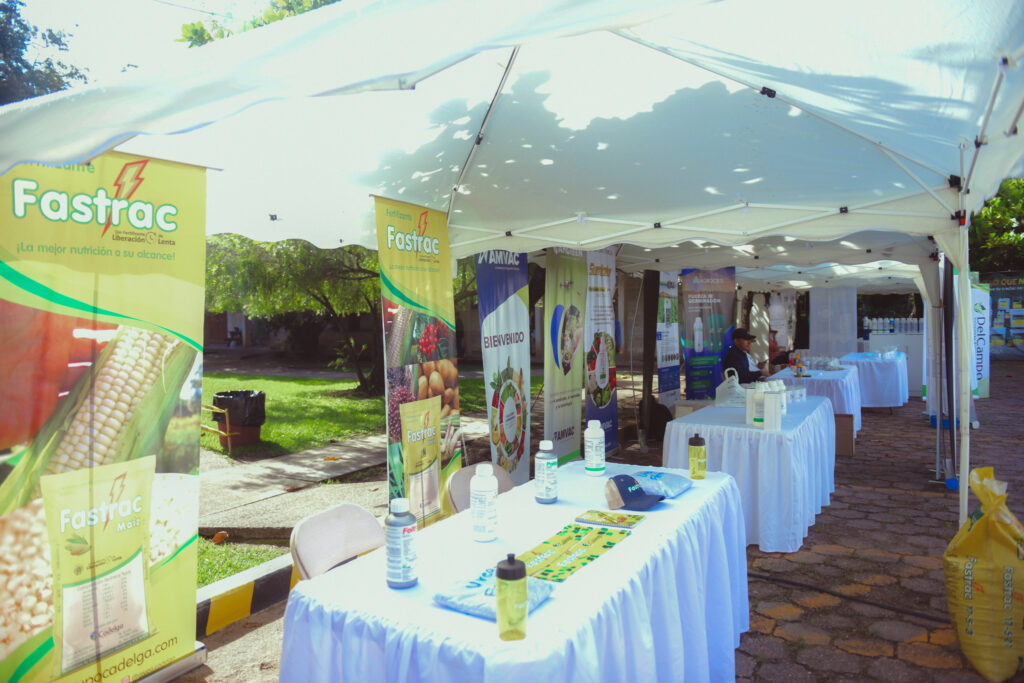
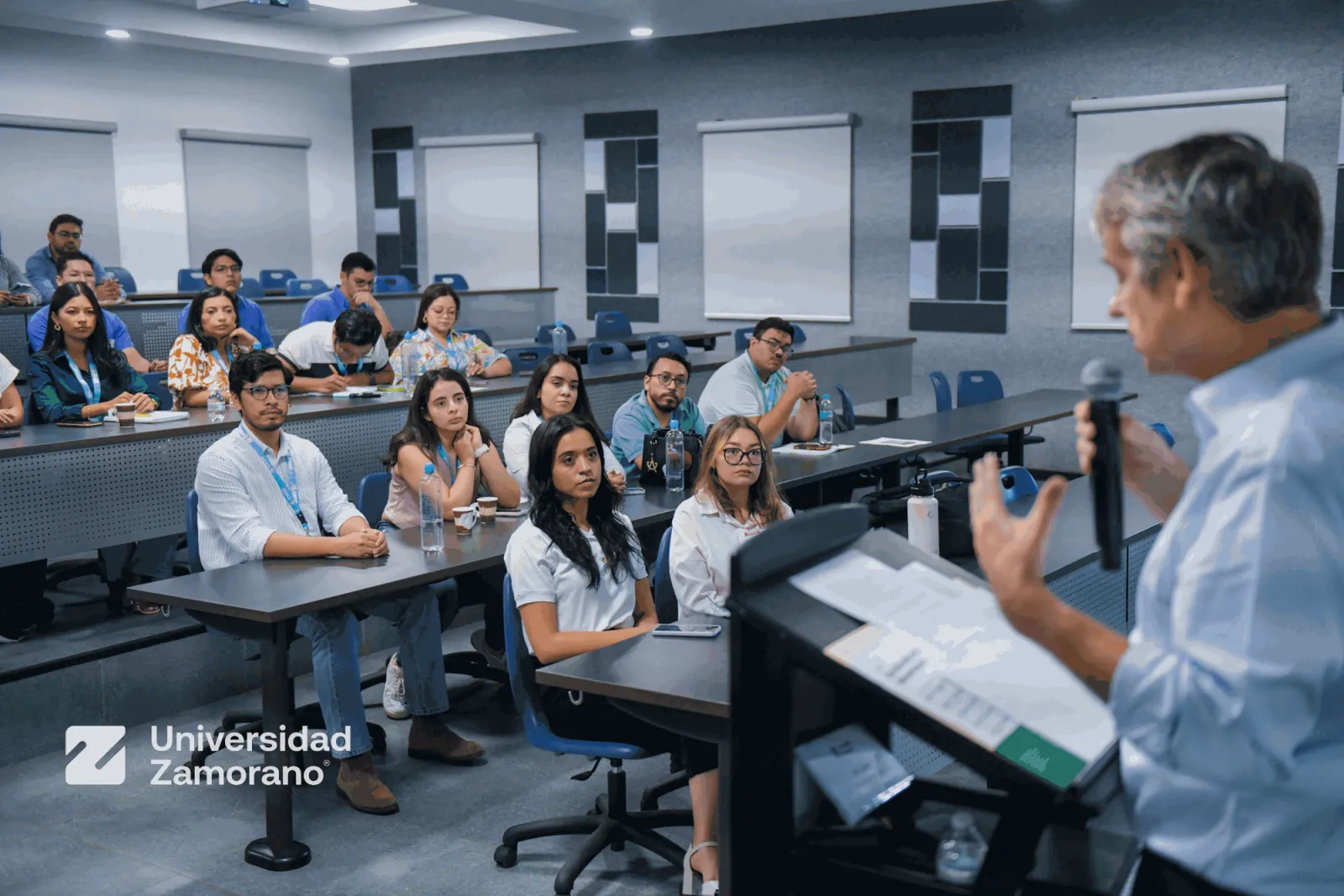
Throughout the event, the speakers shared valuable experiences and knowledge on optimizing crop nutrition, improving soil fertility, and addressing the environmental challenges facing the agricultural sector. Topics also covered the latest technological innovations in fertilization and best practices for achieving more sustainable and efficient agriculture.
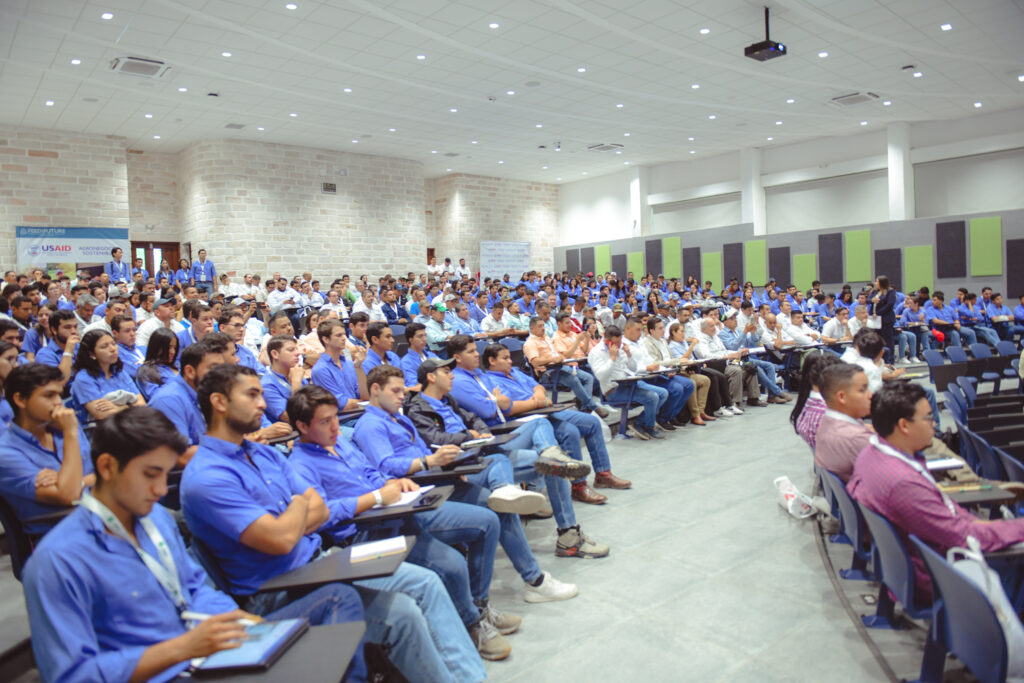
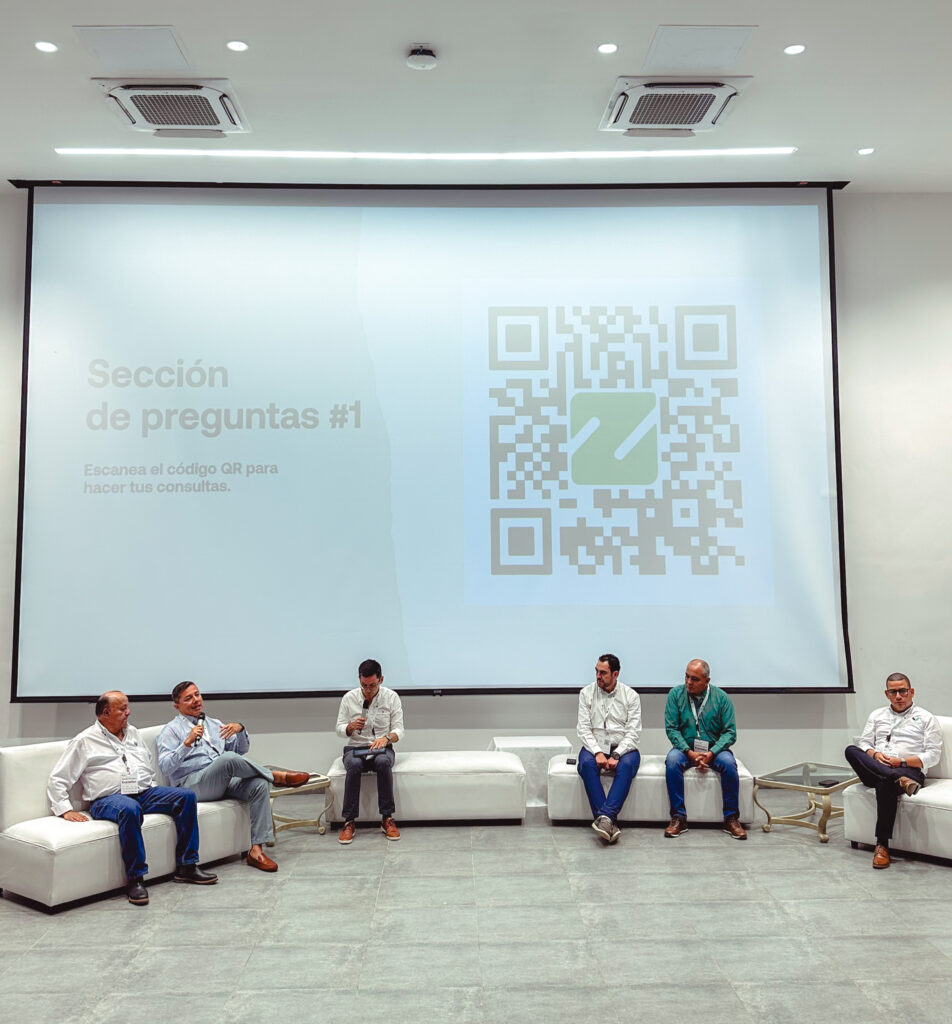
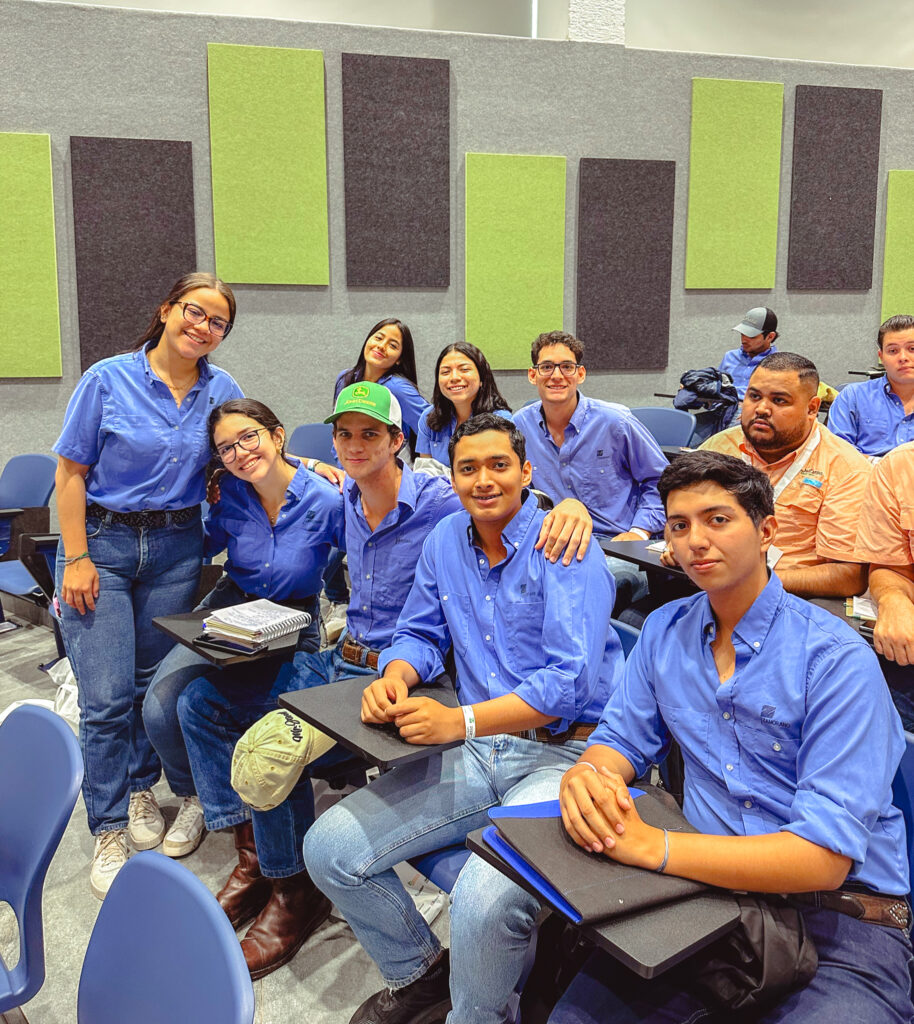
The symposium proved to be an excellent opportunity to strengthen cooperation among agricultural professionals, academics, and students, fostering the exchange of knowledge and the establishment of new international collaboration networks.
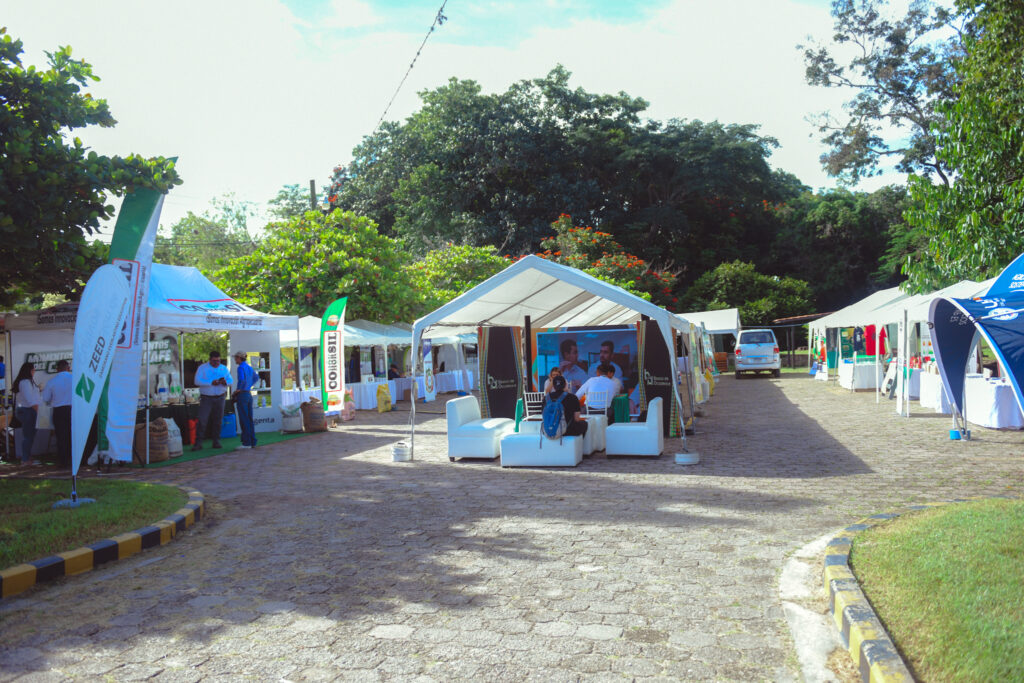
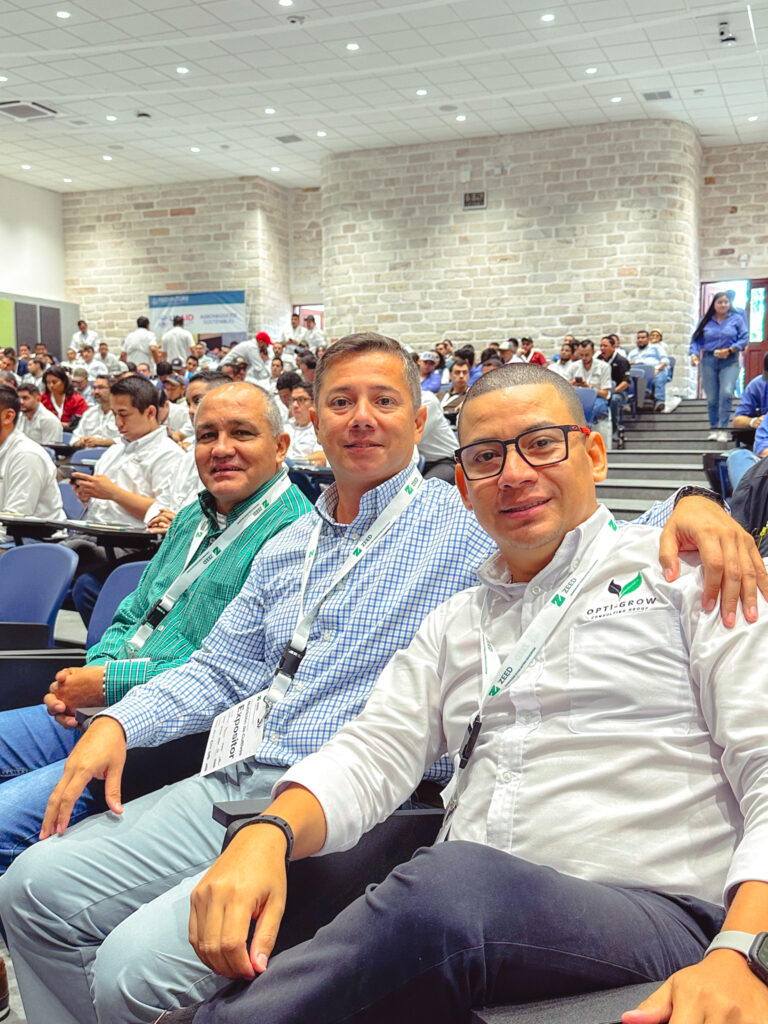
Zamorano deeply thanks all the speakers, sponsors, and participants for making this event a resounding success. This symposium has reaffirmed Zamorano's commitment to education, research, and sustainable development in the agricultural sector.
 English
  Spanish