
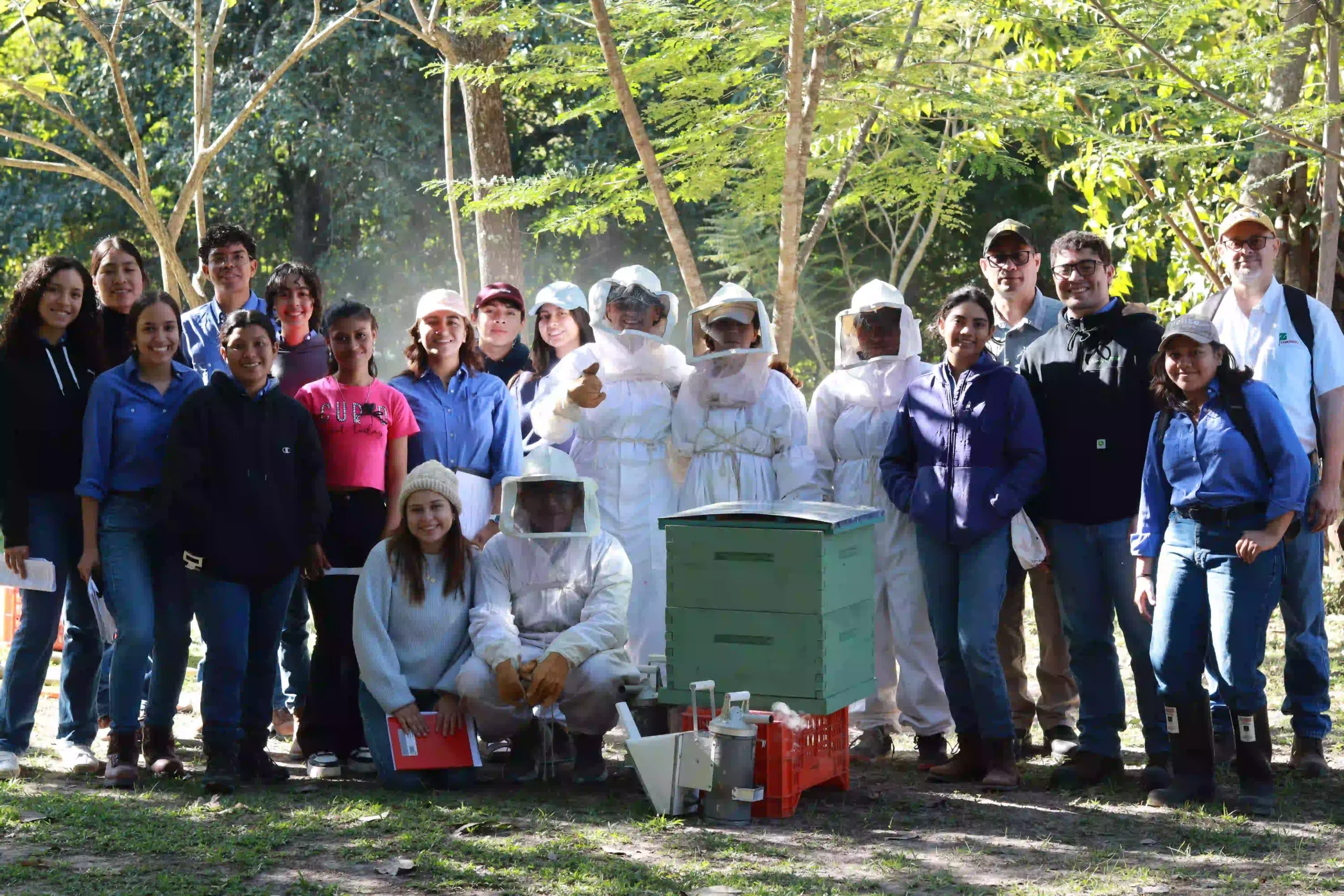
As part of the 2025 Progress Results of the YEGUARE Project – Green Businesses through Beekeeping (“Harvest”), women beekeepers participating in the initiative successfully completed their first honey harvest at the agroecological farm of Zamorano University, marking an important milestone in the promotion of sustainable livelihoods and environmental conservation in the region.
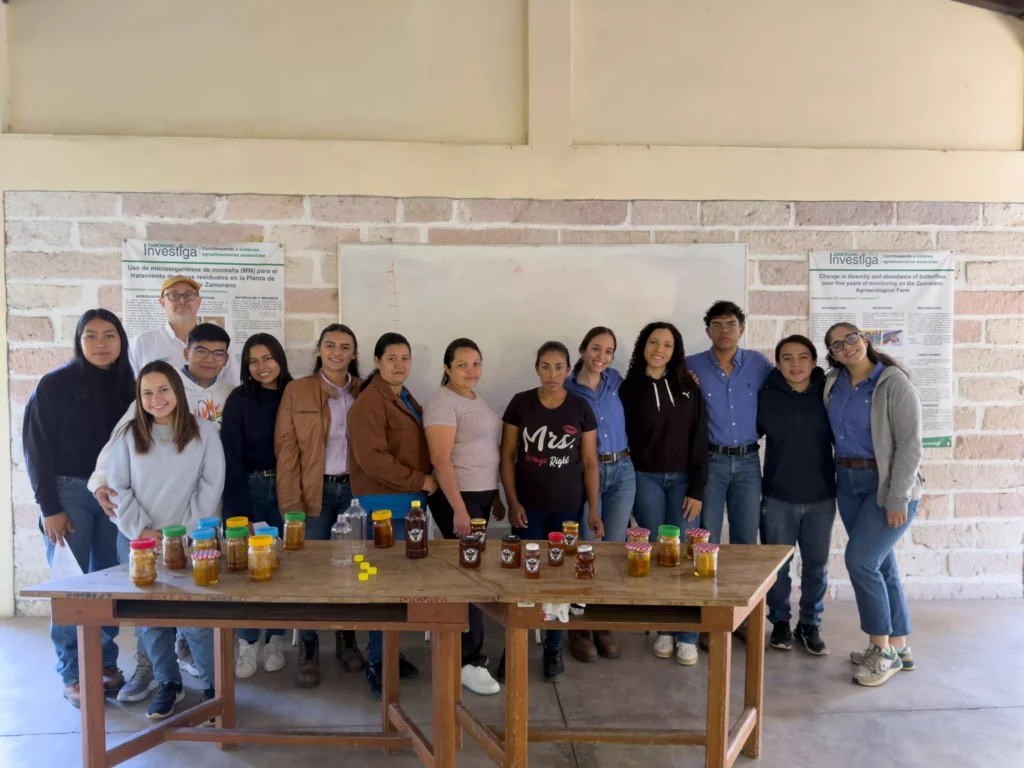
During this initial phase, six of the eighteen women participants, all engaged in green business initiatives, harvested honey from Africanized honeybees (Apis mellifera) in their respective apiaries, achieving an approximate production of 20 liters of honey. In addition, three participants carried out a harvest of jimerito honey, further diversifying the products derived from beekeeping.
Harvesting activities took place on January 14 and 15, 2026, and involved the collection of honey from 32 beehives located in the lower area of the Santa Inés micro-watershed, at elevations ranging from 400 to 600 meters above sea level.
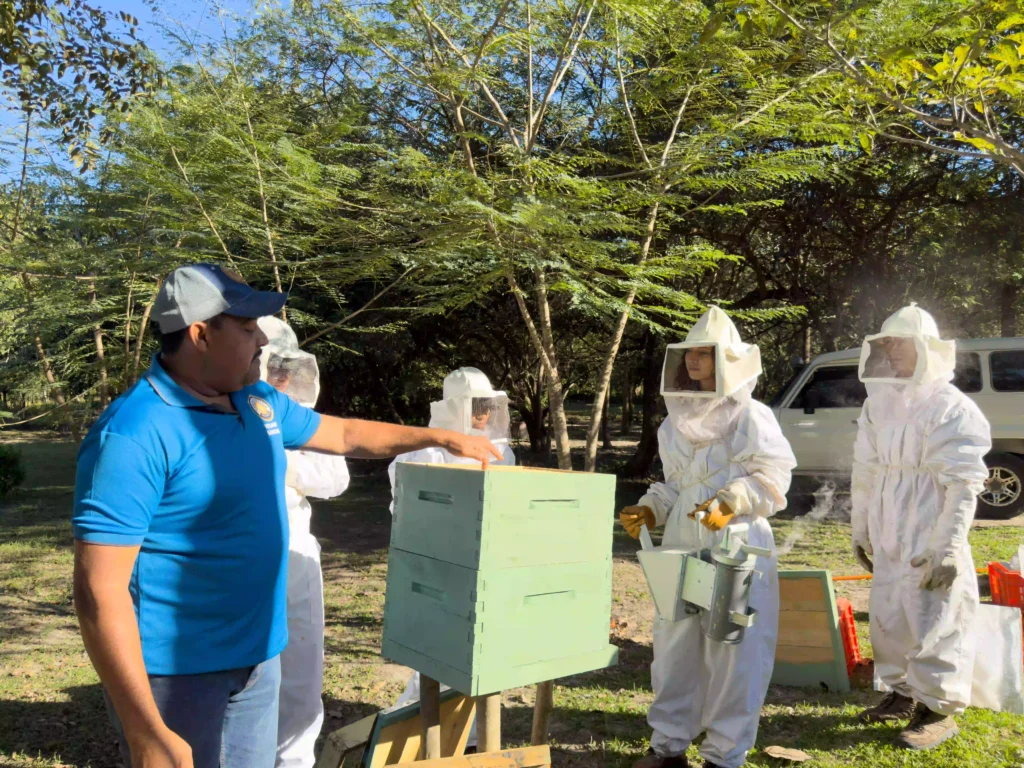
This achievement goes beyond honey production. It reflects the strengthening of the women beekeepers’ technical skills and responsible management practices, which contribute directly to forest conservation and the ecological balance of local ecosystems.
Looking ahead, the project plans to conduct a second harvest in May, contingent upon adequate flowering conditions in the upper area of the Santa Inés micro-watershed. This phase will involve beekeepers with apiaries located between 700 and 1,400 meters above sea level, expanding the project’s productive, environmental, and community impact.
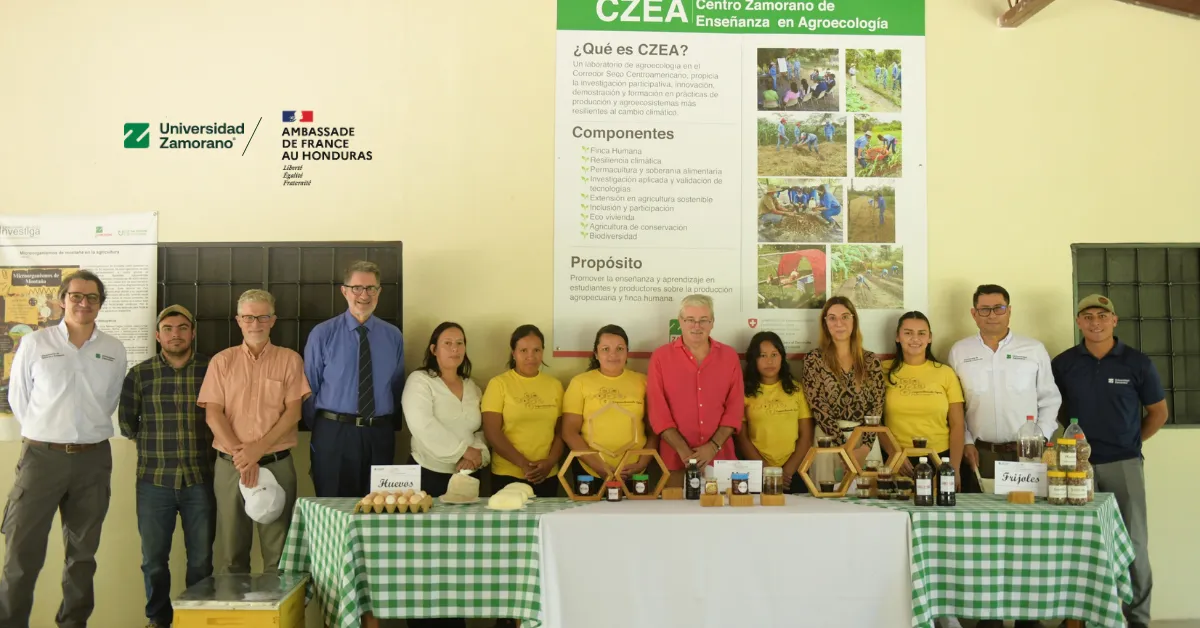
The YEGUARE Project, funded by the Embassy of France, aims to strengthen environmental governance and promote sustainable livelihoods in communities surrounding the Santa Inés forest. Within this framework, beekeeping has emerged as a key strategy that links ecosystem protection with income generation for rural families, while empowering women and fostering sustainable community development.
 English
  Spanish