
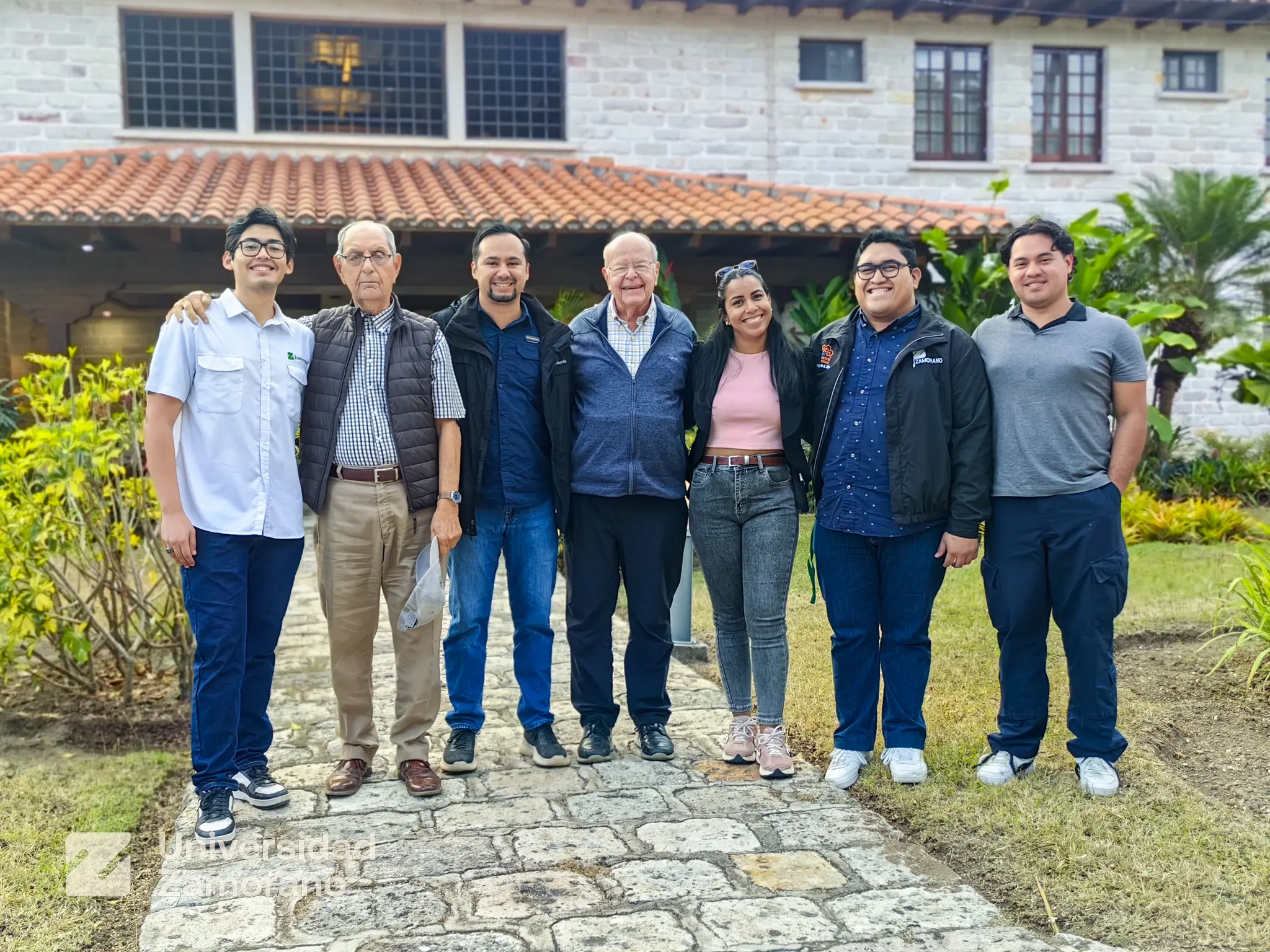
Zamorano University welcomed Salvadoran business leader Arturo Tona, founder and president of Grupo Ternova, to its campus as part of an institutional visit aimed at strengthening collaboration with higher education and the agri-industrial sector in the region.
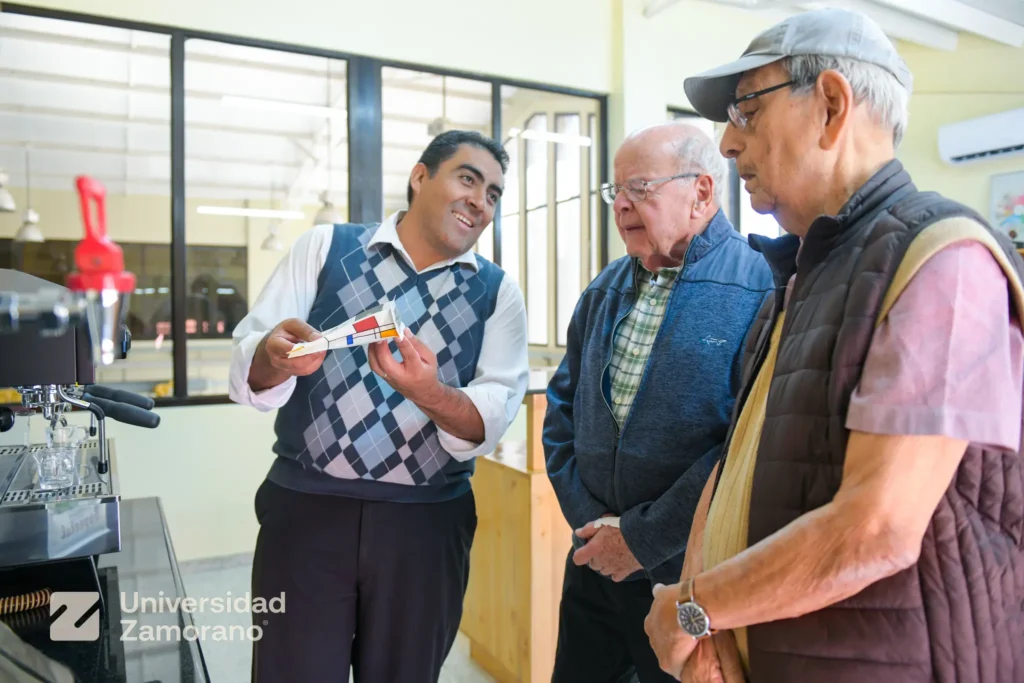
The visit followed the institutional tour led by Zamorano’s President-Designate, Jeff Cohen, to El Salvador in January 2026 and stemmed from a joint invitation by Interim President Keith Andrews. The meeting allowed for the continuation of strategic conversations initiated earlier and opened new avenues to explore collaboration and support aligned with Zamorano’s educational mission.
With more than five decades of experience, Arturo Tona is widely recognized as a visionary entrepreneur and a pioneer in transforming the packaging industry in Central America. Under his leadership, Grupo Ternova has grown into a multinational holding company with operations across the Americas and Southeast Asia, driven by a strong commitment to the circular economy, technological innovation, and sustainable growth—values that closely align with Zamorano’s institutional vision.
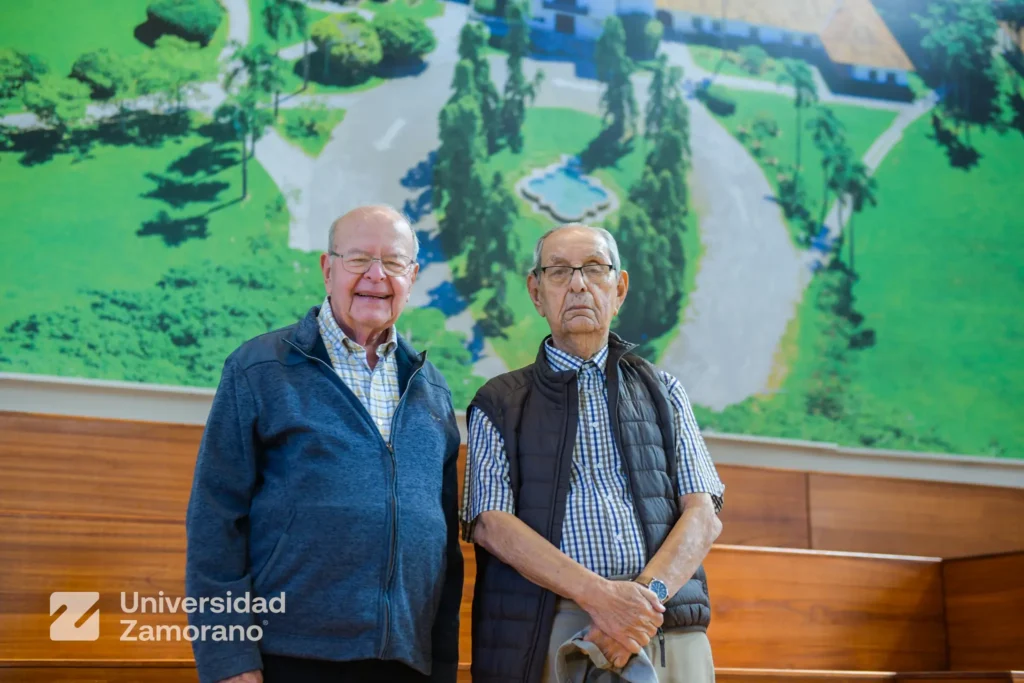
Mr. Tona was accompanied by Manuel Martínez, a Zamorano alumnus from the Class of 1951 (sixth graduating class), with whom he has shared a close friendship since 1970. For more than five decades, Eng. Martínez has been a dedicated ambassador for Zamorano, consistently sharing his alumni experience and promoting the University’s educational impact in El Salvador.
The visit also served as a gesture of appreciation to Mr. Tona for his support of the Zamotón campaign, reaffirming his commitment to education and the development of young talent in the region.
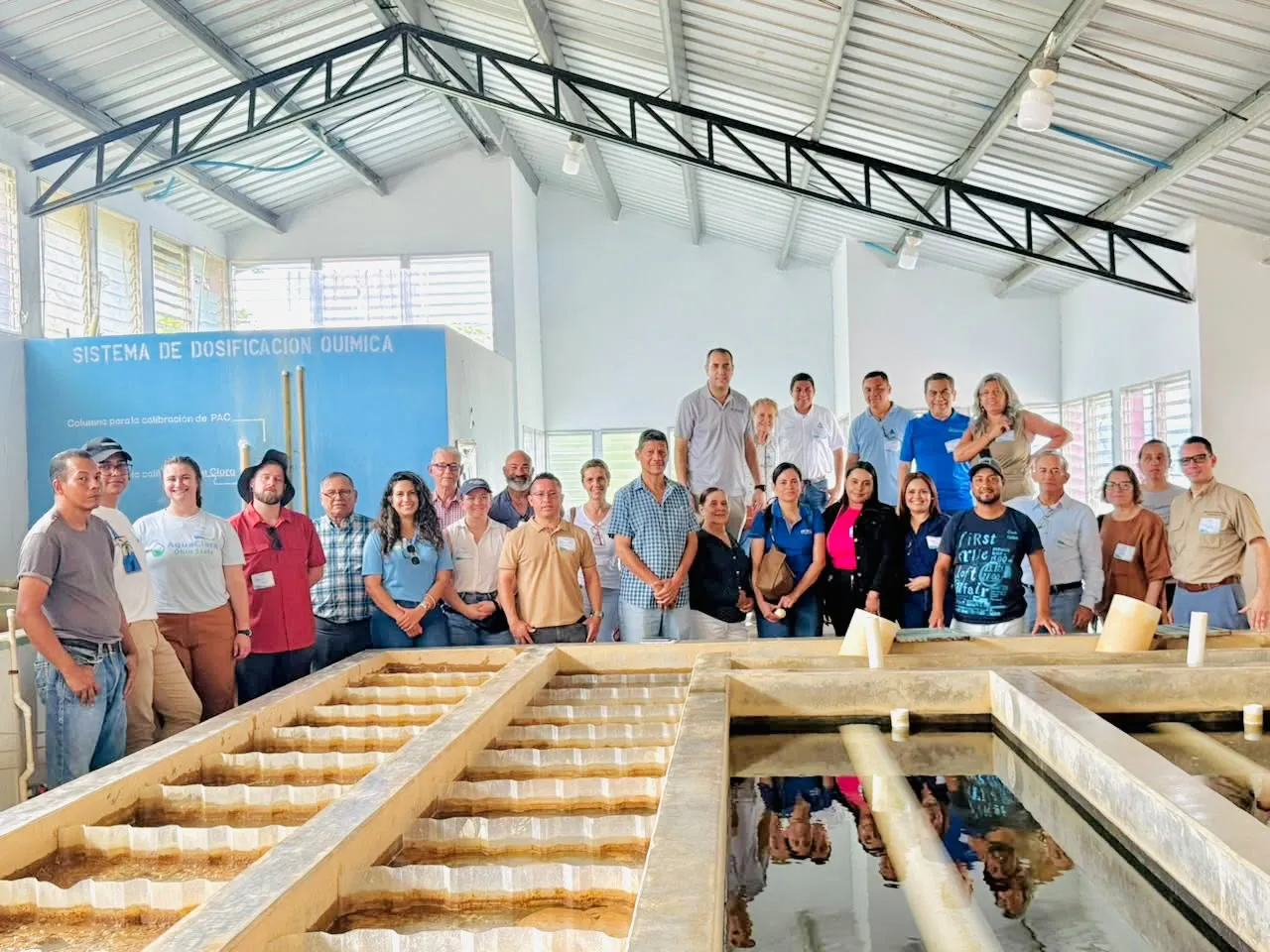
During their time on campus, Mr. Tona and Eng. Martínez took part in an academic and technical agenda that included visits to several departments, laboratories, and productive units. These included the Department of Environment and Development; the Animal Reproduction and Plant Tissue Culture laboratories; the horticultural processing plant and coffee laboratory; as well as agro-industrial plants, livestock production units, aquaculture and forestry modules, and the water treatment facility—clear examples of Zamorano’s distinctive Learning by Doing educational model.
They also engaged in conversations with university leadership, faculty, and students, including dialogue sessions with Salvadoran students. These exchanges fostered discussions around leadership, innovation, circular economy practices, and sustainability, while highlighting shared opportunities between academia and the productive sector.
As part of the visit, Zamorano held a special recognition ceremony honoring Eng. Manuel Martínez for his long-standing and meaningful contributions to the institution. His legacy of support includes:
· Playing a key role in facilitating high-level visits from El Salvador, including a former President of the Republic (1994–1999) and prominent public and private sector leaders, which helped expand scholarship opportunities for Salvadoran students.
· Providing employment opportunities to 15 recent graduates, supporting them as they transition into the workforce.
· Authoring the book “50 Years of My Zamorano Life,” donated to the University, with all proceeds directed to the scholarship fund.
· Serving consistently, alongside other alumni, as a committed ambassador for Zamorano in El Salvador.
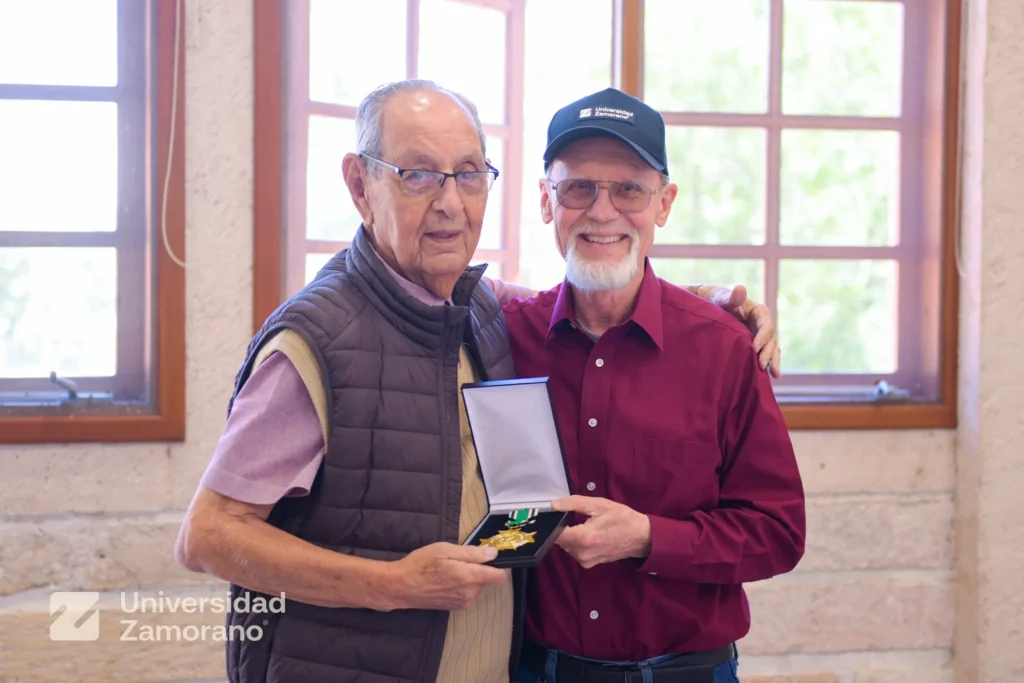
During the ceremony, Eng. Martínez shared reflections on his time as a student at Zamorano, fondly recalling Wilson Popenoe, one of his mentors, and recounting personal anecdotes that capture the practical, human-centered spirit that has long defined the institution.
Zamorano University deeply values these types of encounters, which strengthen ties with its alumni community, strategic partners, and regional leaders, while continuing to expand educational opportunities for future generations shaping the agri-food sector in Latin America.
 English
  Spanish
vardenafil
vardenafil
mobic for nerve pain
mobic for nerve pain
remeron 7.5 mg for depression
remeron 7.5 mg for depression
fluconazole 200 mg oral tablet
fluconazole 200 mg oral tablet
vfend generico
vfend generico
super kamagra sydney
super kamagra sydney
vardenafil 20mg effects
vardenafil 20mg effects
tadalafil bd
tadalafil bd
sémaglutide comprimés prix
sémaglutide comprimés prix
doxycycline for dog cough
doxycycline for dog cough
xenical pill
xenical pill
ivermectin strongyloides parasite clearance
ivermectin strongyloides parasite clearance
vardenafil 20 mg
vardenafil 20 mg
avanafil safety‑focused content
avanafil safety‑focused content
medical review explanation
medical review explanation
amoxicillin interaction with alcohol
amoxicillin interaction with alcohol
Onset Delay Insights
Onset Delay Insights
Sildenafil vs Avanafil Hub
Sildenafil vs Avanafil Hub
Sildenafil vs Avanafil Rapid Onset
Sildenafil vs Avanafil Rapid Onset
Comments are closed.