
Potato cultivation represents a vital source of income for the Honduran highlands, with the department of Intibucá being an epicenter of this production with year-round harvests. However, producers face a significant challenge: potato late blight, a disease caused by the fungus Phytophthora infestans. This pest has led to an over-reliance on agrochemicals, which not only puts human health at risk, but also the environment.
To address this problem, the Current and Emerging Crop Threats Innovation Lab (CETC-IL), supported by Zamorano in collaboration with Pennsylvania State University and the International Potato Center (CIP), and funded by the United States Agency for International Development (USAID), has launched an initiative to improve the management of this disease in Intibucá.
Under this initiative, the use of the Decision Support Tool (HH-DST), developed by CIP, is being promoted. This tool allows growers to more effectively manage potato late blight by integrating various factors that influence the disease, such as the susceptibility of the potato variety grown, the number of rainy days in the week, and the interval since the last fungicide application. The tool presents this information in the form of a set of wheels, guiding growers in the proper selection of fungicide, its type of action and frequency of application.
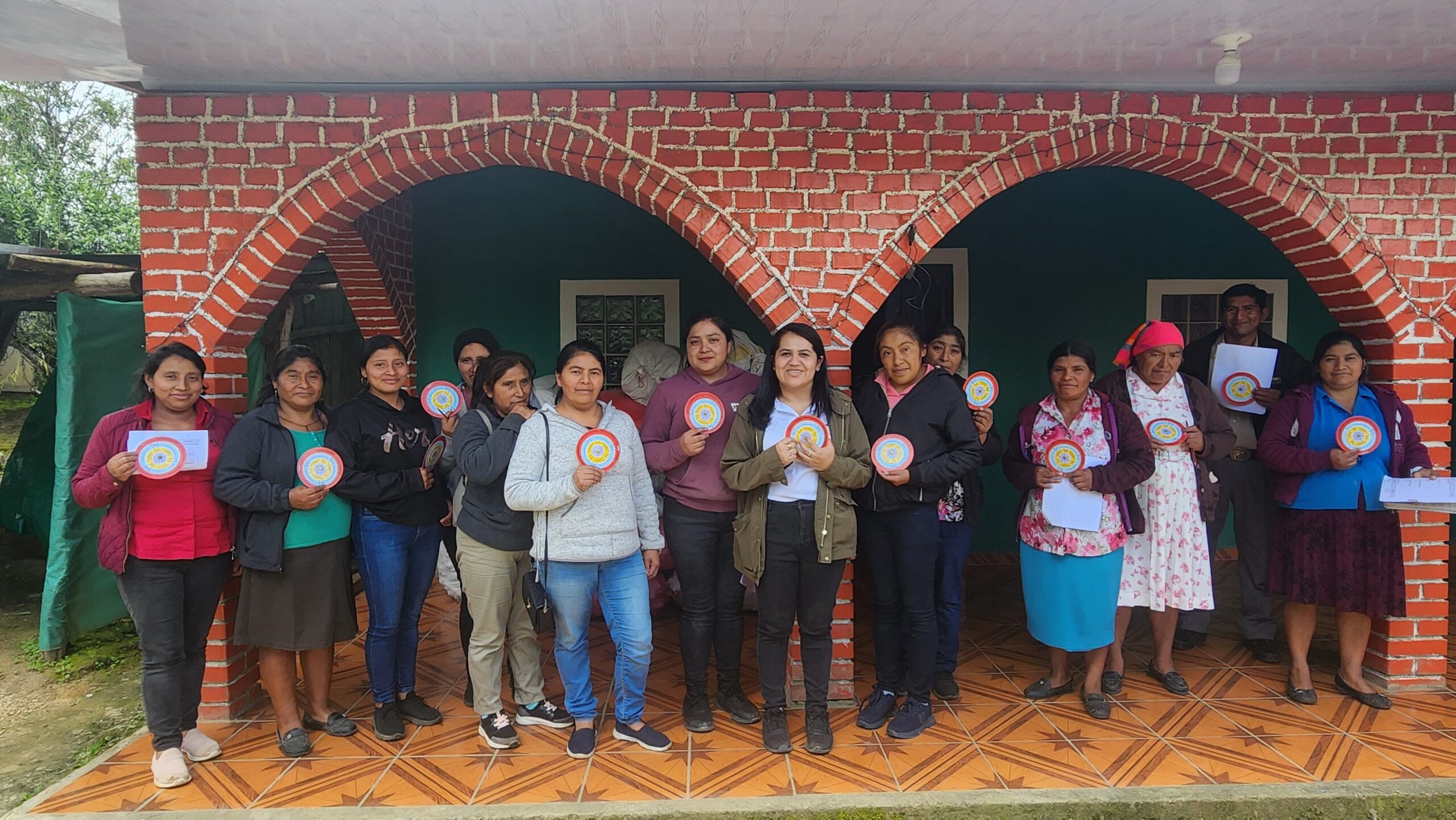
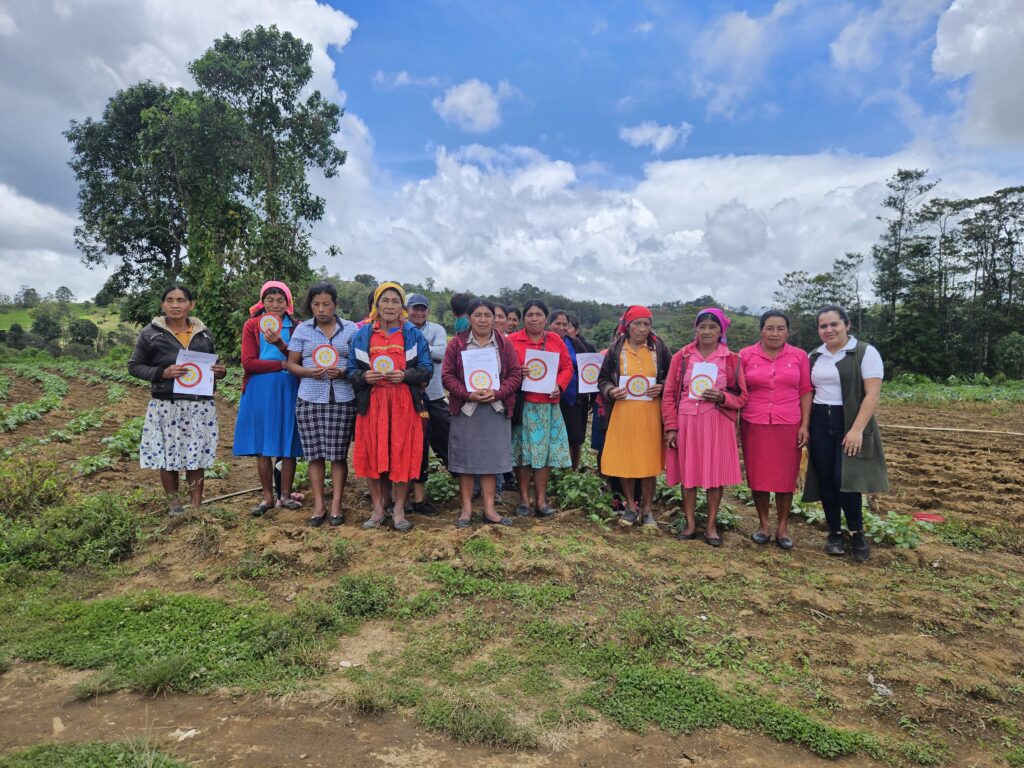
So far in 2024, CETC-IL has trained 97 potato farmers in Intibucá through workshops held in the communities of Azacualpita, Chiligatoro, Malguara, Pueblo Viejo and Togopala. It is expected that by applying this tool, farmers will be able to manage late blight more efficiently, thereby reducing the amount of fungicides needed, lowering investment costs, and mitigating the environmental impact of their agricultural practices.
agricultural
This innovative strategy not only promises to improve crop health and grower profitability, but also marks a move towards more sustainable agriculture in the region.


 English
  Spanish