
Combining soybean and tropical grasses to improve degraded soils
Ing. Erika Tenorio, Full Professor in the Department of Environment and Development Engineering, in collaboration with partners from Colorado State University, published an important study in the journal Earth’s Future that sheds new light on the ecological pressures facing the largest freshwater body in Honduras, Lake Yojoa. The research provides evidence for policymakers, certification bodies, and communities working to balance food production with the health of freshwater ecosystems.
of the studyof the study, publicado en la revista Plants, mostraron que la combinación de soya con pasto Aruana Guinea promovió una mayor acumulación de nitrógeno, fósforo, potasio y azufre en la soya, en comparación con los sistemas de soya en monocultivo y soya combinada con pasto Congo. Esto indica que los pastos tropicales no compitieron con la soya, sino que facilitaron la absorción de nutrientes. En particular, con el pasto Aruana Guinea se observó que la eficiencia fisiológica de la soya mejoró notablemente, especialmente al aplicar cantidades moderadas de nitrógeno. Por su parte, el sistema con pasto Congo destacó por su alta eficiencia de uso de nitrógeno y su capacidad para convertir nitrógeno en biomasa, lo que sugiere que puede reciclar el nitrógeno residual del suelo y reducir pérdidas.
The study demonstrates that an intercropping system with proper nitrogen fertilization management can be a sustainable strategy to restore degraded grasslands: it enhances soybean nutrition, promotes nutrient-use efficiency, and helps restore soil fertility. For areas vulnerable to soil degradation, these findings offer a practical foundation for promoting more sustainable and productive agriculture.
For more information: mailto:rpena@zamorano.edu
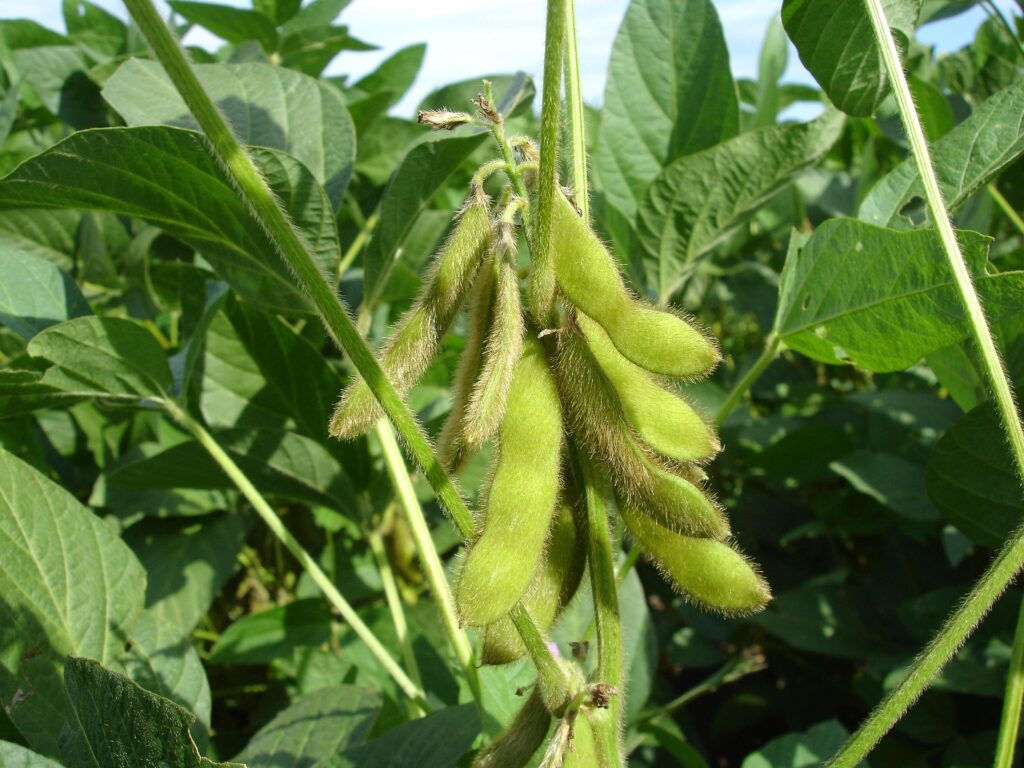
(Image by Julio César García for Pixabay)
 English
  Spanish