
Academic innovation is also built through the spaces where learning happens. As part of its institutional modernization plan, Zamorano University continues to transform its infrastructure to respond to new pedagogical approaches, current technological demands, and international standards for accessibility, comfort, and educational efficiency.
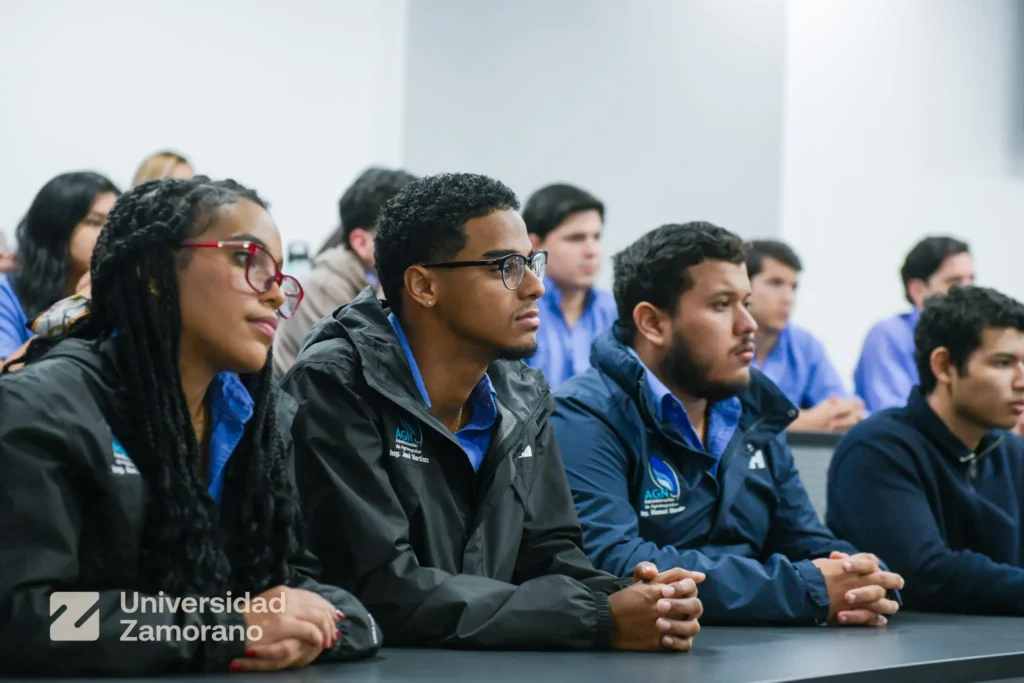
In 2025, the Agroindustry and Agribusiness auditoriums were fully renovated under a comprehensive vision that prioritizes the learning experience, instructional flexibility, and inclusion. These upgrades enhance the quality of teaching and learning while aligning Zamorano University with the academic practices of leading universities worldwide.
The renovated auditoriums feature a high level of automation, positioning them as smart classrooms with centralized control and configurable learning scenarios. This design minimizes technological friction, encourages effective use of digital tools, and allows both faculty and students to focus fully on academic engagement.
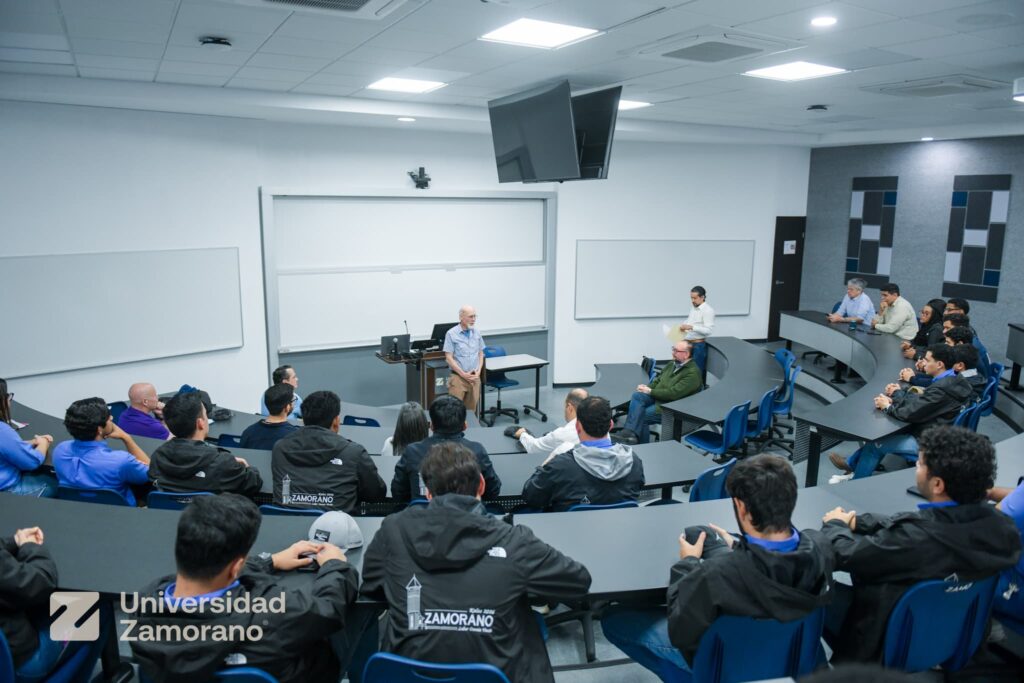
Automation also enables greater pedagogical flexibility, supporting hybrid classes, videoconferencing, technical demonstrations, and seamless transitions between multiple video sources, including desktop computers, laptops, and document cameras, while allowing students to share content from anywhere in the auditorium.
In addition, the spaces were redesigned to optimize layout, increase usable space per student, and incorporate ergonomic furniture, significantly improving visual, acoustic, and thermal comfort in alignment with the academic purpose of each auditorium.
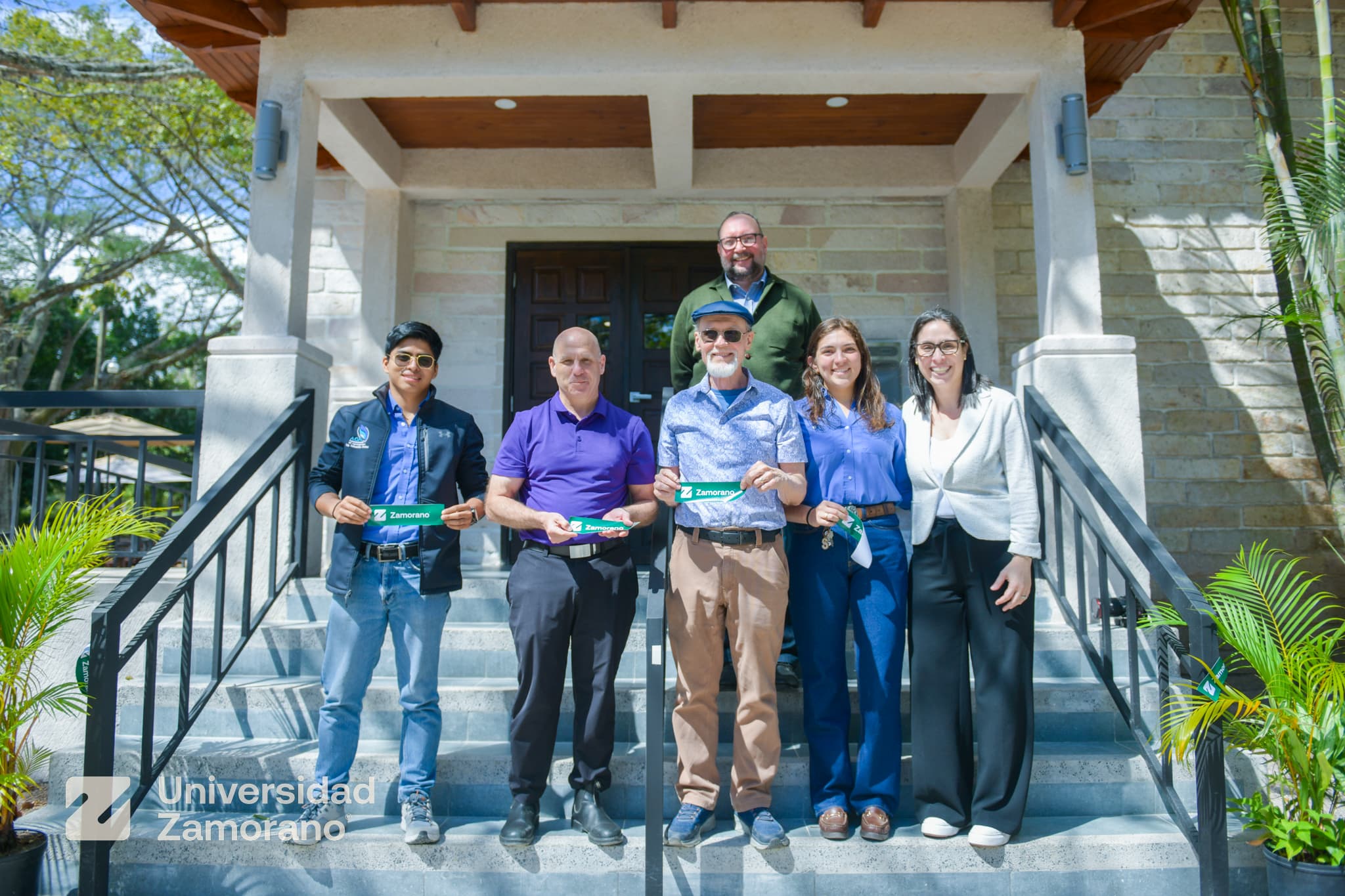
Infrastructure modernization efforts also include the renovation of the Smith Falck Student Center, a key space for student life and community building. This upgrade reinforces Zamorano’s commitment to holistic student well-being, recognizing that university education is shaped not only in classrooms, but also in environments that foster interaction, belonging, and campus life.

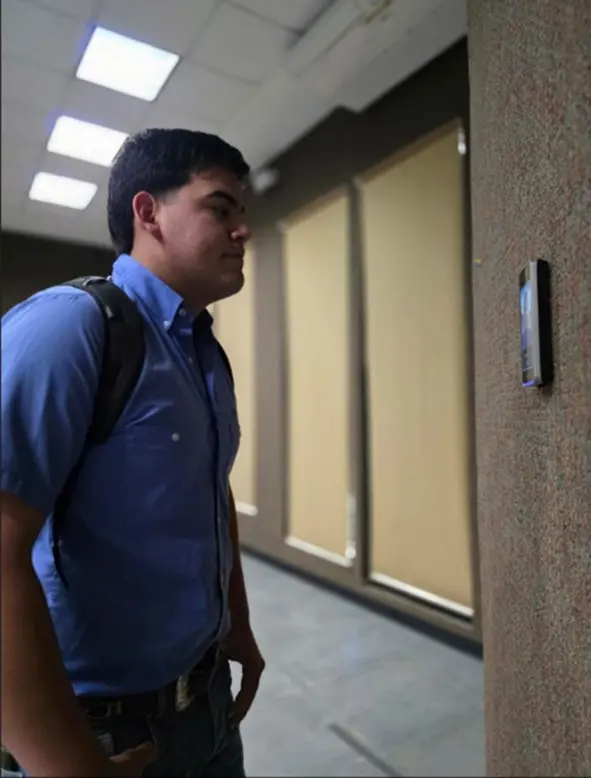
At the same time, Zamorano University is advancing the modernization of its academic processes through the implementation of a biometric facial recognition system for attendance tracking in classrooms and academic modules. This innovation enables faster, more secure, and more accurate attendance records, optimizing time, reducing errors, and strengthening the traceability of academic information.
From an operational standpoint, the system supports real-time monitoring, reliable reporting, and stronger institutional controls. Academically, it enhances student follow-up, promotes punctuality, and supports data-driven decision-making, fully aligned with the institution’s principles of innovation, efficiency, and educational quality.
Together, these initiatives represent a strategic investment in academic excellence and the overall university experience, strengthening the institutional positioning of Zamorano University and ensuring that students and faculty have access to spaces that meet the present and future demands of higher education.

 English
  Spanish
finasteride topical
finasteride topical
Comments are closed.