
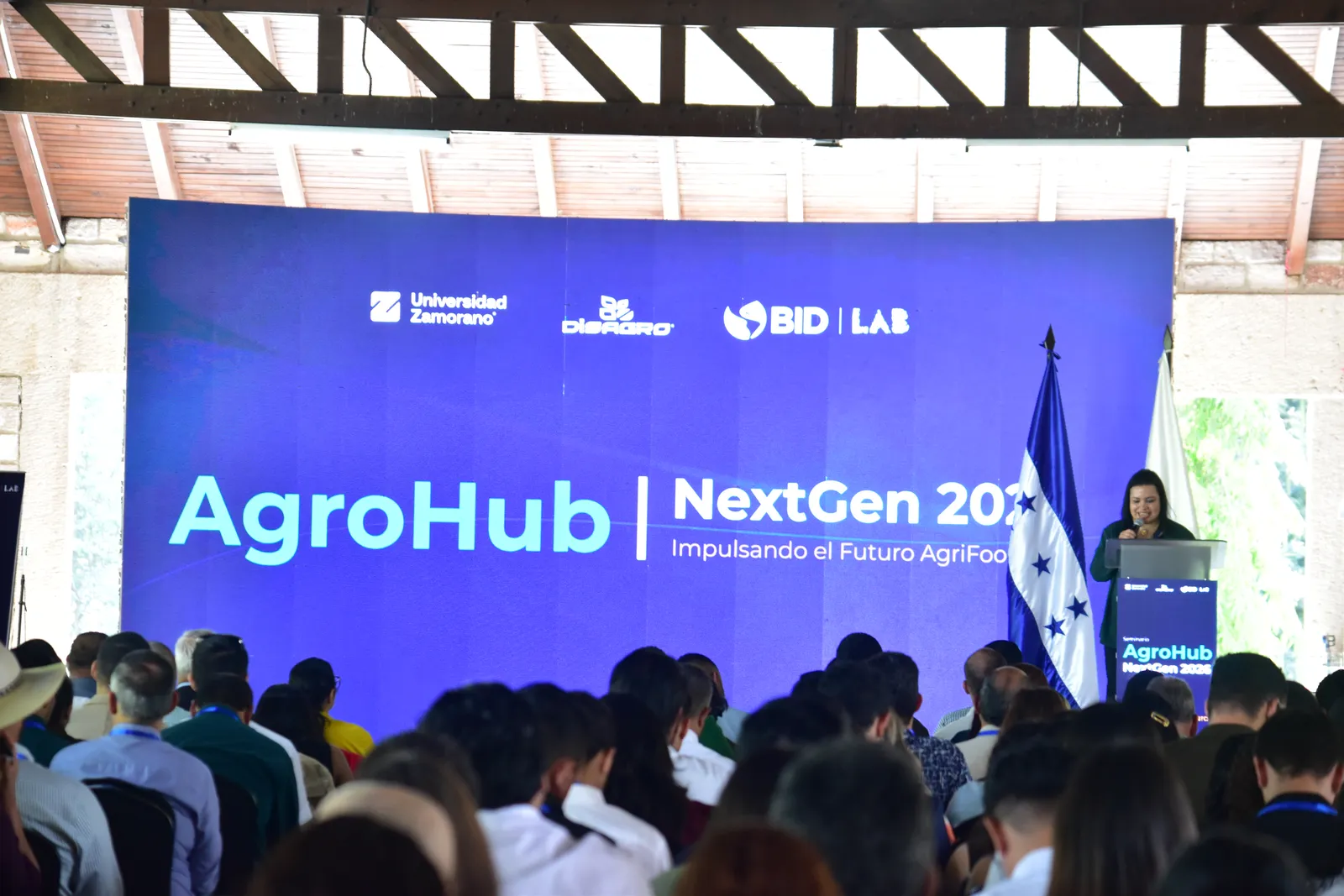
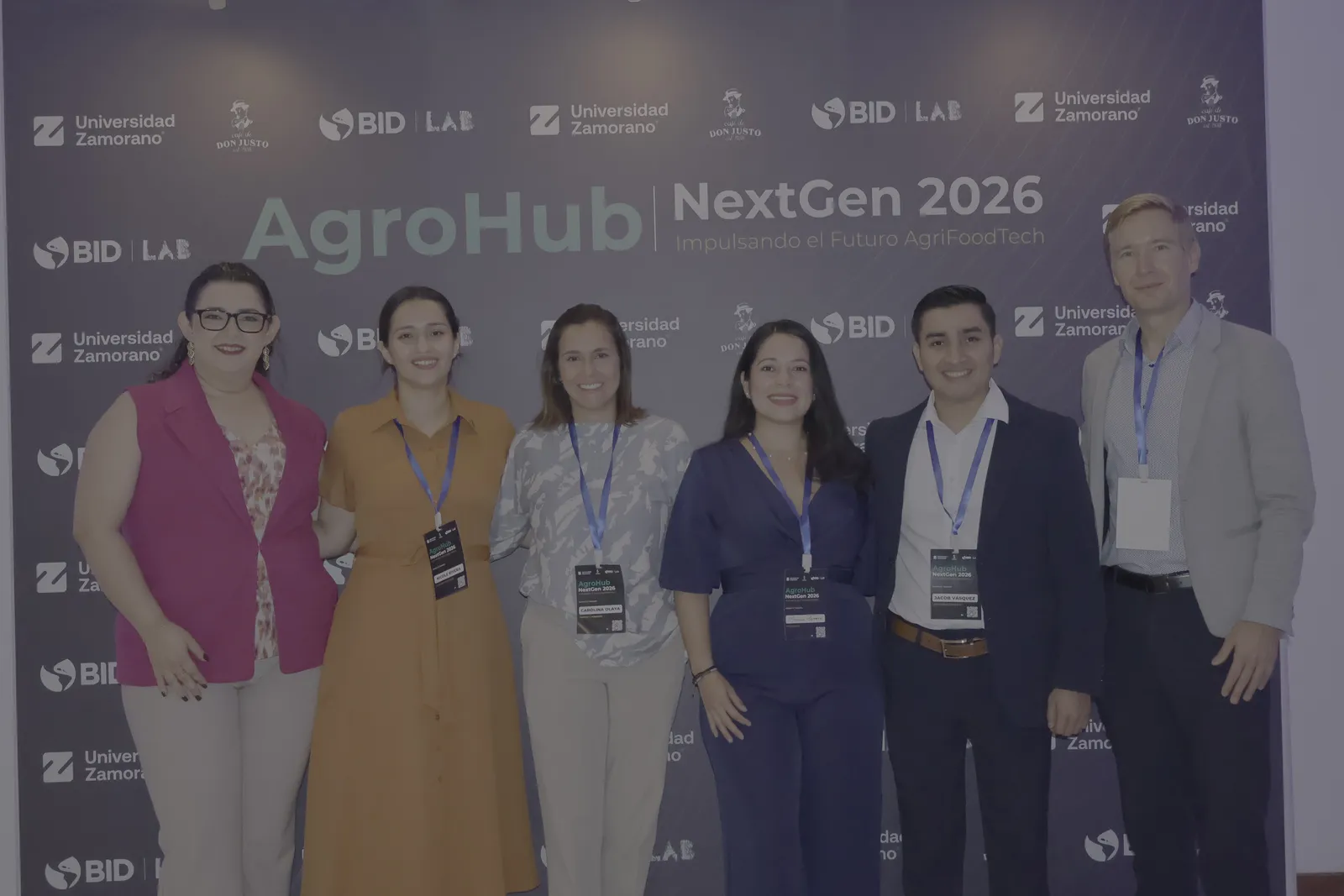
With the participation of 190 representatives of the business sector, startups, government institutions, academia, cooperation agencies and international specialists, Zamorano University and BID Lab, through the AgroHub project, held the Honduran edition of the regional seminar AgroHub | NextGen 2026: Driving the Future of AgriFoodTech, concluding a cycle of events held in El Salvador, Guatemala and Honduras. This edition was sponsored by DISAGRO, a company that joined the effort to strengthen innovation and bring new technologies closer to the productive sector.
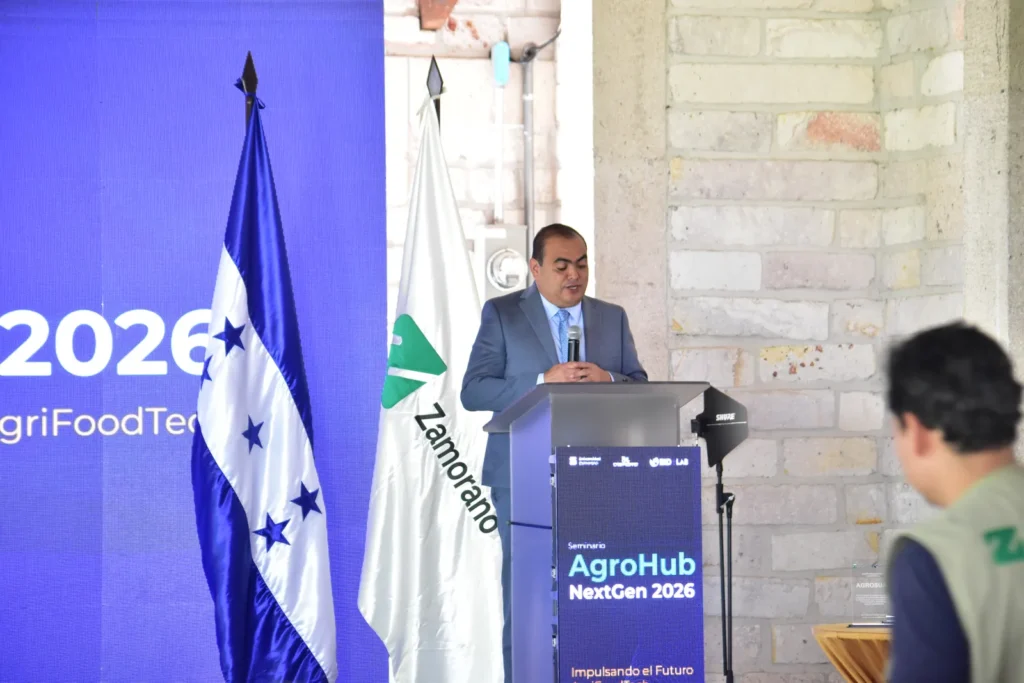
During the opening, José Ordóñez, undersecretary of the Secretariat of Agriculture and Livestock (SAG), highlighted the importance of coordination among institutions to drive agricultural modernization and strengthen the competitiveness of Honduras's agrifood sector. In turn, Dr. Victoria Cortés, director of the Department of Environment and Development at Zamorano University, emphasized the role of academia in building innovation ecosystems, integrating talent development, applied research and entrepreneurship to respond to the challenges of the productive sector.
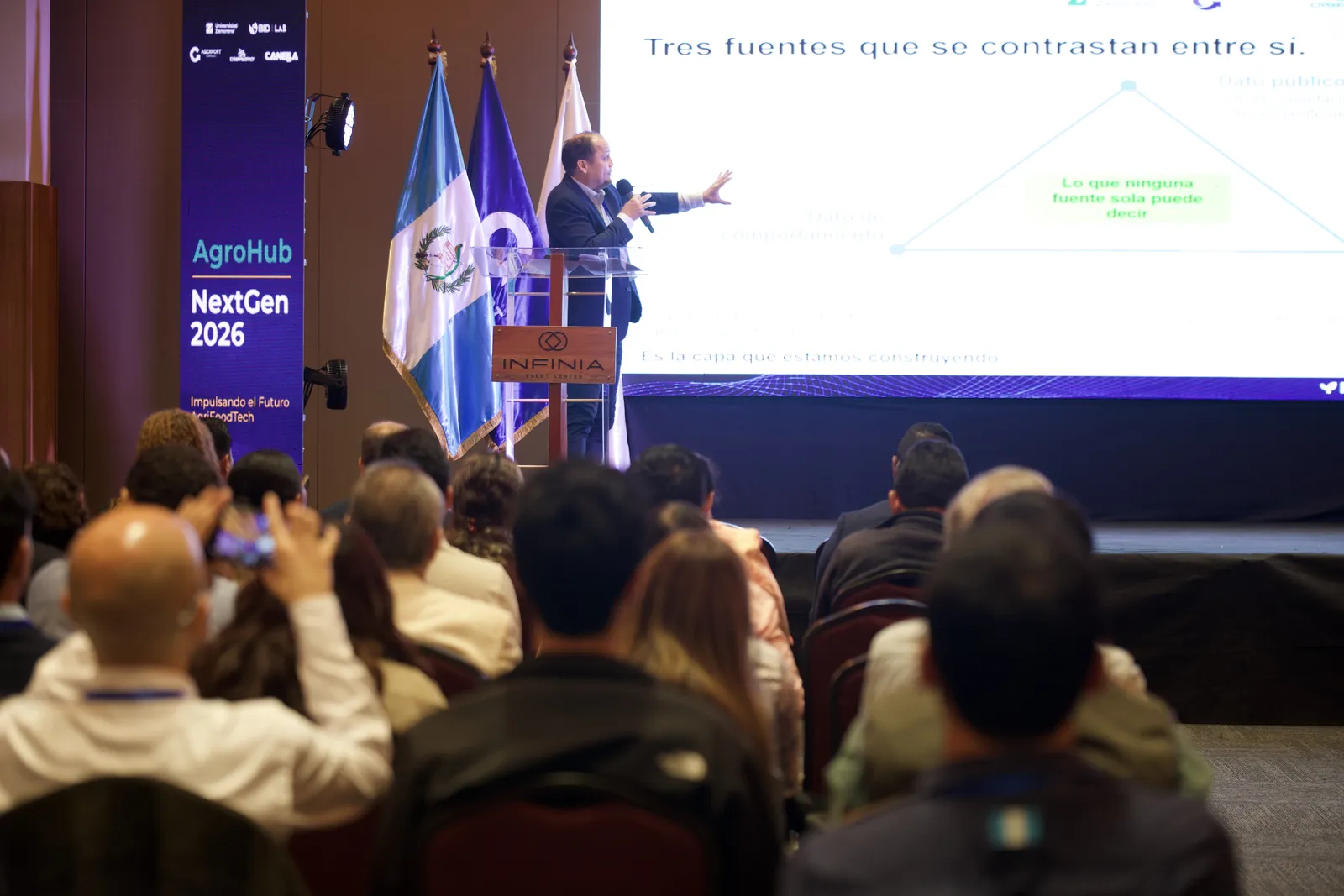
The program featured two international speakers. Gregorio Londoño, of Meridian75, Colombia, addressed investment and scaling opportunities for AgriFoodTech startups, highlighting the importance of solid business models, differentiated value propositions and commercial strategies that attract capital and open access to new markets. In turn, Diego Chaves, of Alquería, Colombia, shared the corporate experience in open innovation and how collaboration between large companies and startups makes it possible to develop technology solutions that respond to specific needs of the agrifood sector.
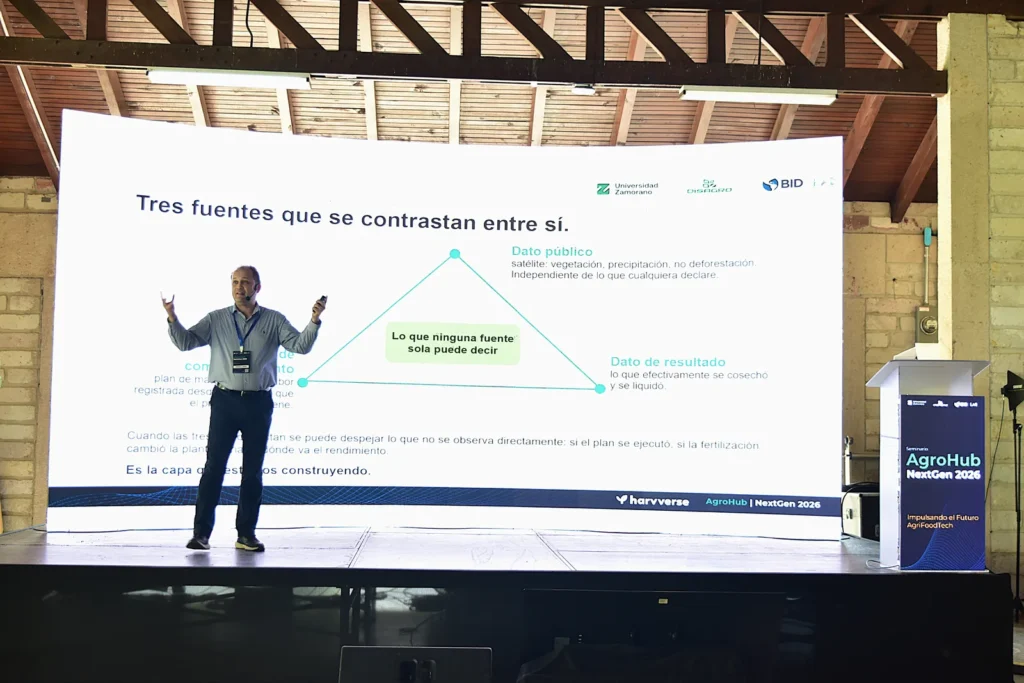
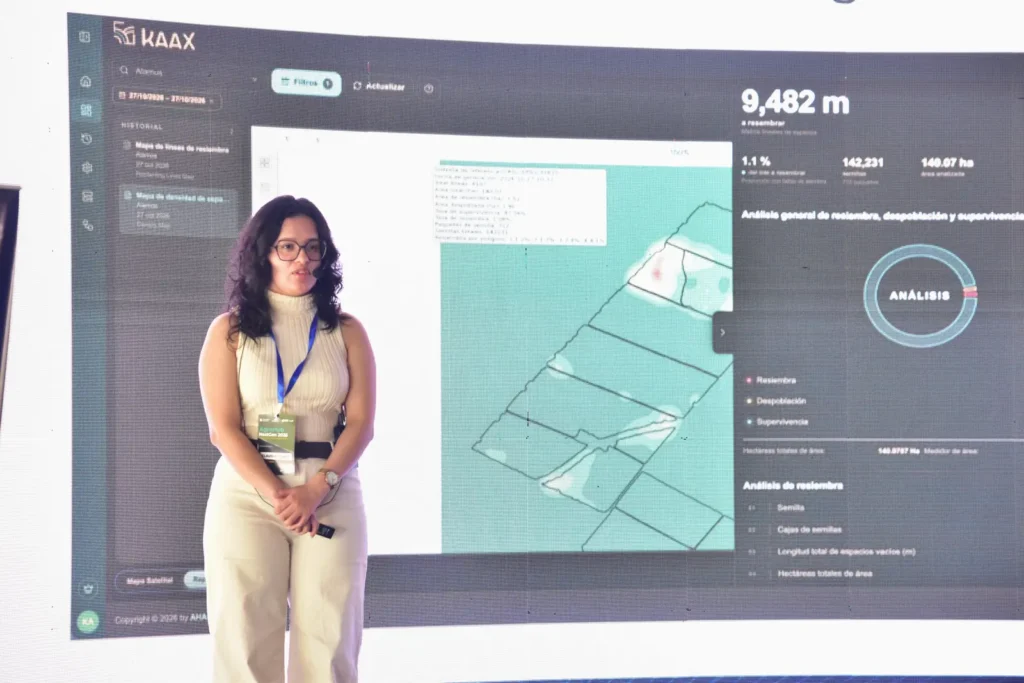
These perspectives were complemented by the experiences of four Central American startups that presented solutions to improve productivity, agricultural management and access to financing. Claudia Gómez, Operations director of Kaax (Guatemala), shared artificial intelligence and computer vision applications for agricultural image analysis. Melvin Sánchez, Operations director of Terra Kaapé Digital (Honduras), explained how digitalization facilitates the productive, financial and commercial management of agrifood organizations. Likewise, Víctor Borrayo, executive director of AgroFuture (Guatemala), presented precision agriculture tools for monitoring environmental variables and managing climate risk, while Jorge Lanza, executive director of Harvverse (Honduras), shared a financial innovation model that connects agricultural producers with investors through profit-sharing schemes.
One of the highlights was the recognition of five Honduran initiatives selected to receive impact capital, as a result of their participation in AgroHub's incubation and acceleration programs. The initiatives recognized were PROALCO, dedicated to transforming banana and plantain into value-added products; Del Lago Orgánico, focused on making healthy foods from agricultural raw materials; Terra Verde, which develops innovative foods by making use of fruits, vegetables and corn; DEMAVESA, which promotes the production and marketing of traditional foods through an associative model with producer families and rural women; and AGROSUAN, dedicated to growing vetiver for the perfumery industry, integrating precision agriculture and circular economy. The impact capital will help strengthen their productive, technological and commercial capabilities, expanding their growth opportunities.
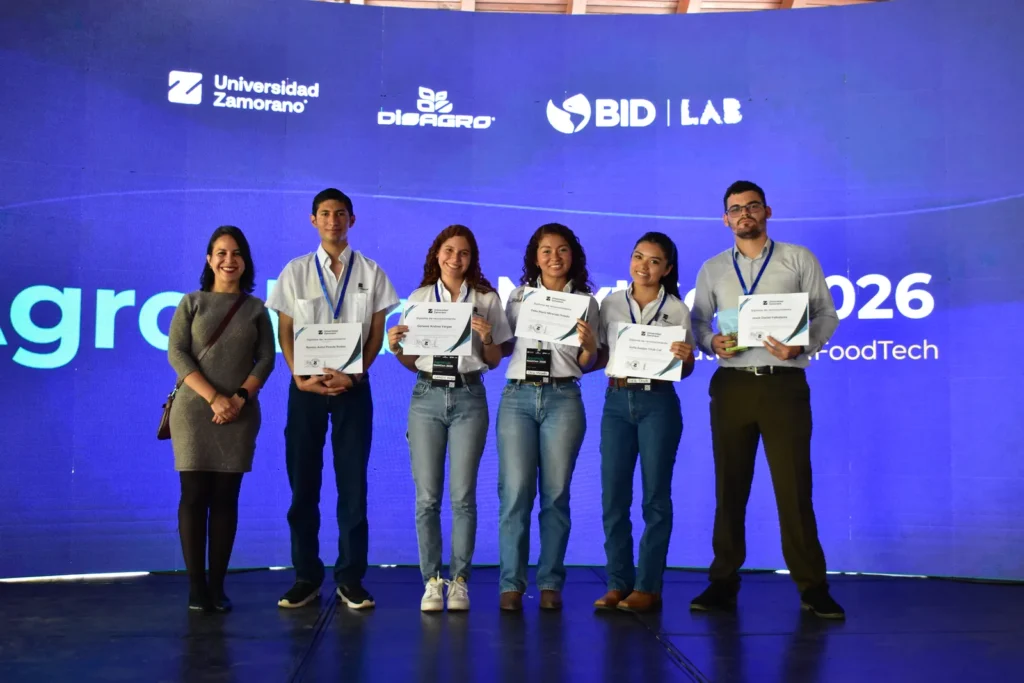
As part of the day, the winners of Zamorano Investiga 2026 were also recognized, highlighting the contribution of scientific research to developing solutions for the agrifood sector. This recognition made the academic work and its contribution to innovation, technology transfer and the generation of applied knowledge more visible. Likewise, the technology showcase and networking spaces brought startups, companies and institutions interested in exploring new collaboration opportunities closer together.
With the Honduran edition, AgroHub | NextGen 2026 came to a close, a regional journey that showcased the entrepreneurial talent and innovation capabilities present in the three countries of the Northern Triangle. The events reaffirmed the importance of connecting research, technology development and investment so that AgriFoodTech solutions can reach more producers and markets. This vision will continue to grow at AgroHub Summit 2027, which will be hosted by Zamorano University and will aim to expand opportunities for investment, business linkages and the scaling of solutions that contribute to the sustainable development of the Central American agrifood sector.
 English
 Spanish