
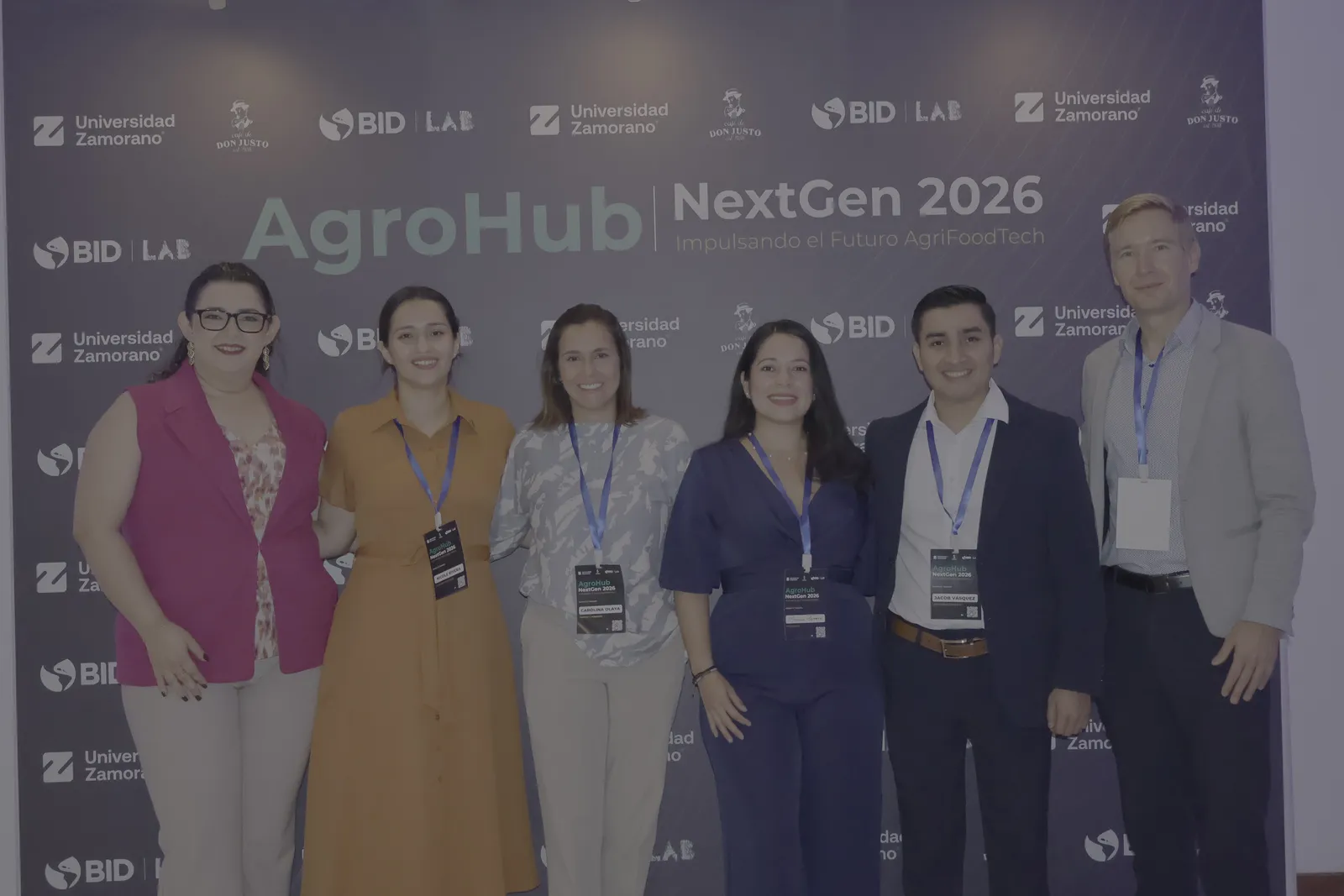
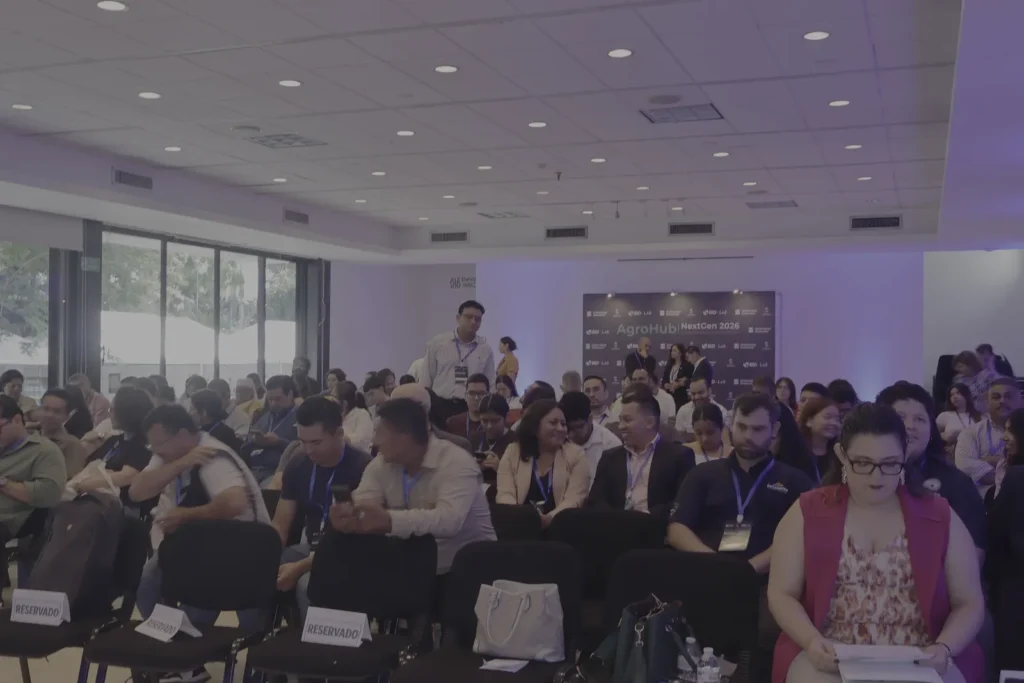
Zamorano University and BID Lab, through the AgroHub project, held the Salvadoran edition of the regional seminar AgroHub | NextGen 2026: Driving the Future of AgriFoodTech, at the Museo de Arte de El Salvador (MARTE). The event brought together 150 representatives of the business sector, government institutions, academia, cooperation agencies, entrepreneurs and startups, with the aim of strengthening the agrifood innovation ecosystem, promoting technology adoption and creating new opportunities for collaboration. This edition was sponsored by Café de Don Justo, AgroHub's strategic partner in El Salvador.
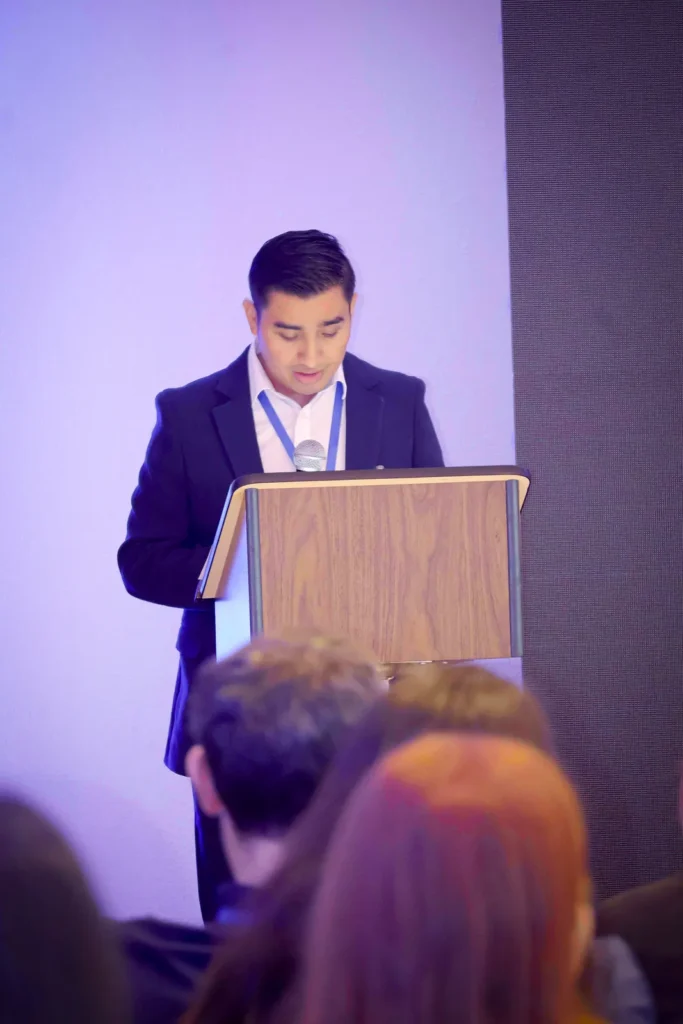
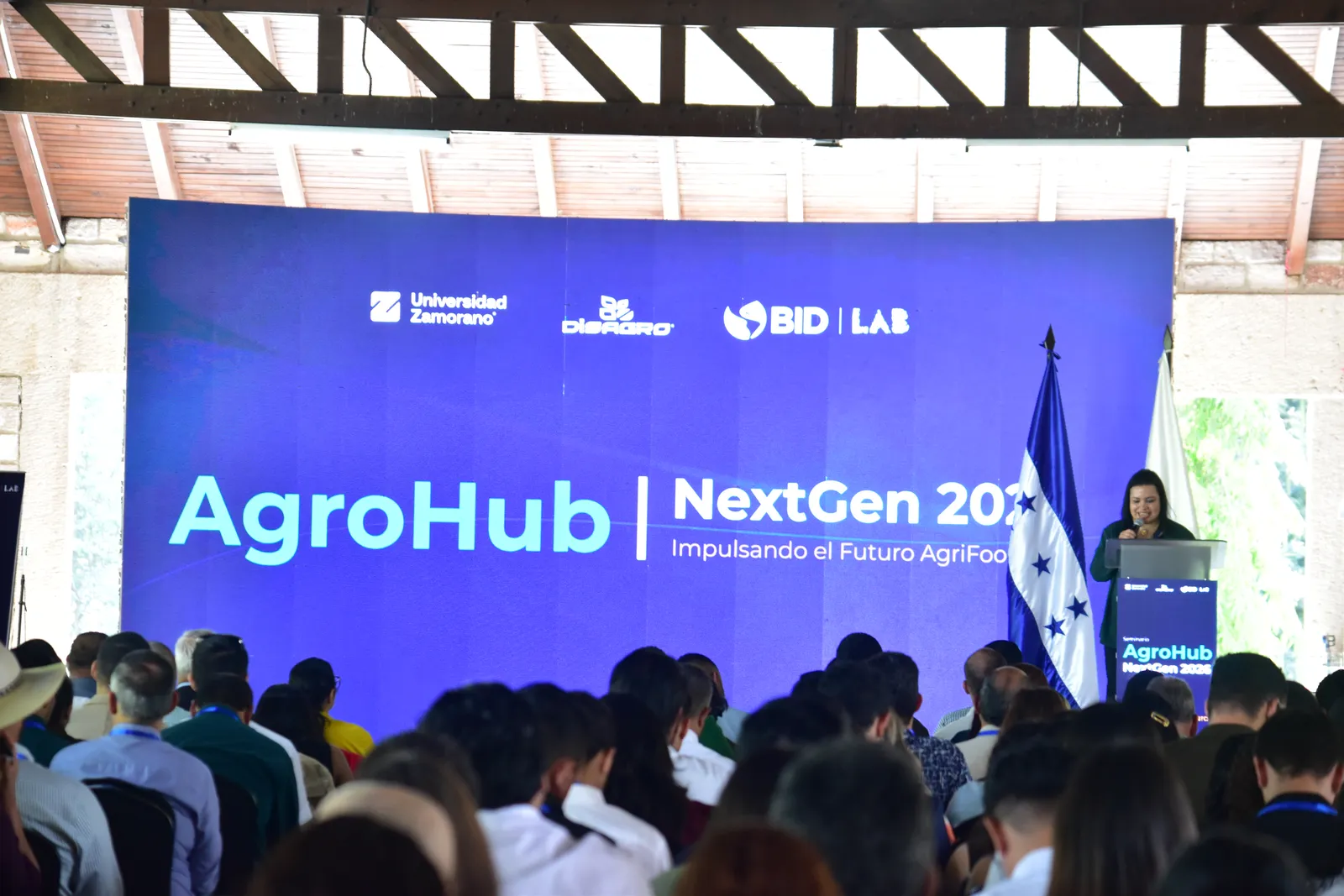
During the opening, Carmen Blandón, on behalf of BID Lab, highlighted the importance of strengthening innovation ecosystems in Central America and expanding investment opportunities for startups that develop solutions with economic, social and environmental impact. In turn, Jacob Vásquez, AgroHub coordinator at Zamorano University, shared the project's main lessons learned, emphasizing the region's innovative potential and the need to strengthen technological and commercial validation, access to financing and business linkages to facilitate the growth of ventures.
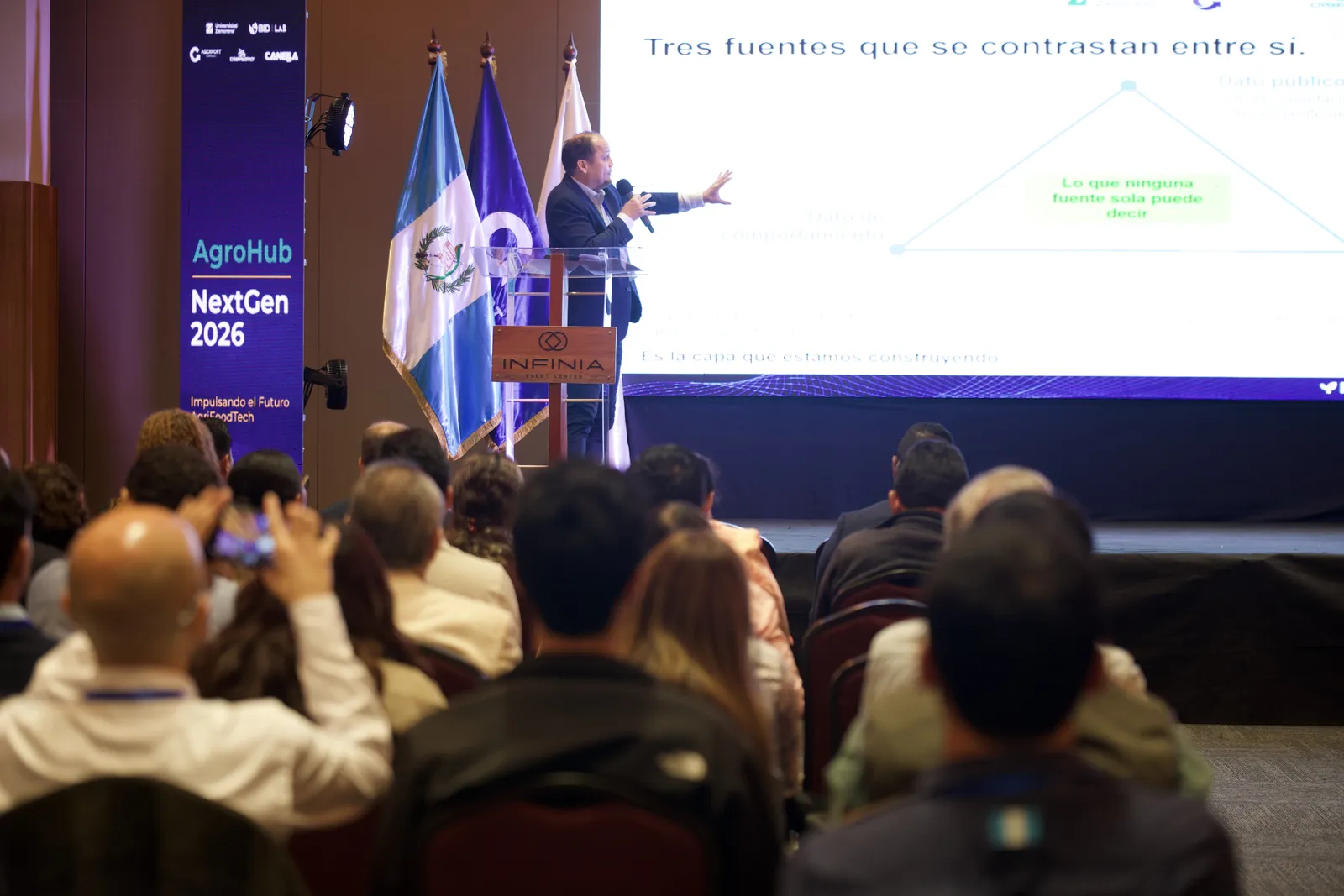
The program featured two international speakers. Jan Rehák, national director of the Entrepreneurship Program at Tecnológico de Monterrey, Mexico, addressed purpose-driven entrepreneurship and the importance of developing innovative business models that generate economic and social value. In turn, Carolina Olaya, of Alquería, Colombia, shared the corporate experience in open innovation, highlighting how collaboration between large companies and startups makes it possible to identify opportunities, develop solutions and respond to challenges in the agrifood sector.
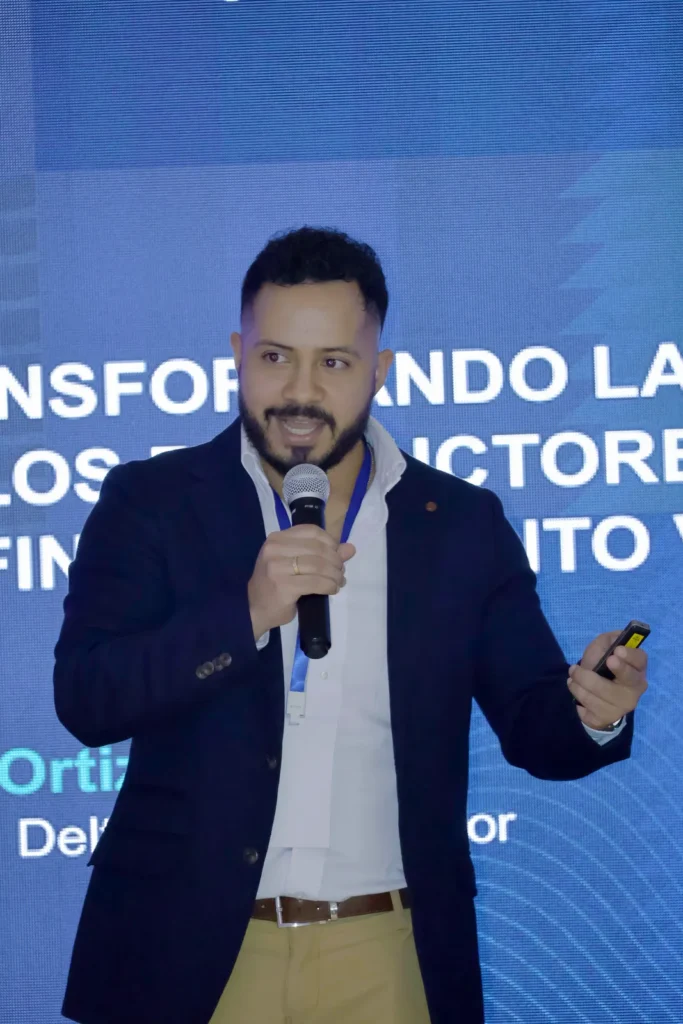
These perspectives were complemented by the experiences of four startups that presented solutions related to precision agriculture, circular economy, traceability and sustainable financing. Carlos Monge, executive director of Stratos, shared the use of drones, multispectral imaging and artificial intelligence to improve agricultural management. Juan Francisco Rivas, executive director of Dloop, presented his circular economy model to reduce food waste by making use of surpluses. Likewise, Melvin Sánchez, Operations director of Terra Kaapé Digital, explained how traceability and data management help strengthen value chains, while Luis Ortiz, Operations director of DeltaX, addressed the connection between sustainable agricultural practices and green financing opportunities.
One of the highlights of the seminar was the recognition of five Salvadoran initiatives selected to receive impact capital, as a result of their participation in AgroHub's incubation and acceleration programs. The initiatives recognized were CAPROS, focused on strengthening the cocoa value chain; Ecolandia, dedicated to agroecological production; Innolatte, specialized in value-added dairy products; Liofilizadora de El Salvador, which transforms fruit through freeze-drying technology; and Stratos, which develops precision agriculture solutions. This capital will help strengthen their technological and commercial capabilities, as well as their growth opportunities and access to new markets.
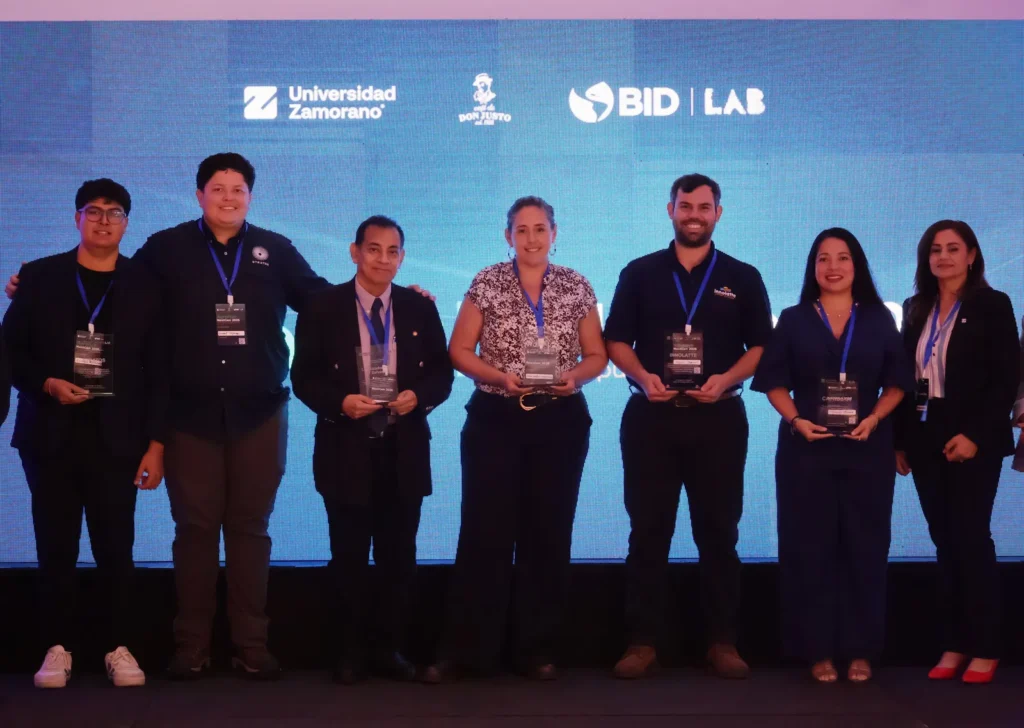
The event also included a technology showcase and networking space, where entrepreneurs and startups presented their solutions to companies, institutions and potential partners, facilitating the exchange of experiences and the identification of collaboration opportunities.
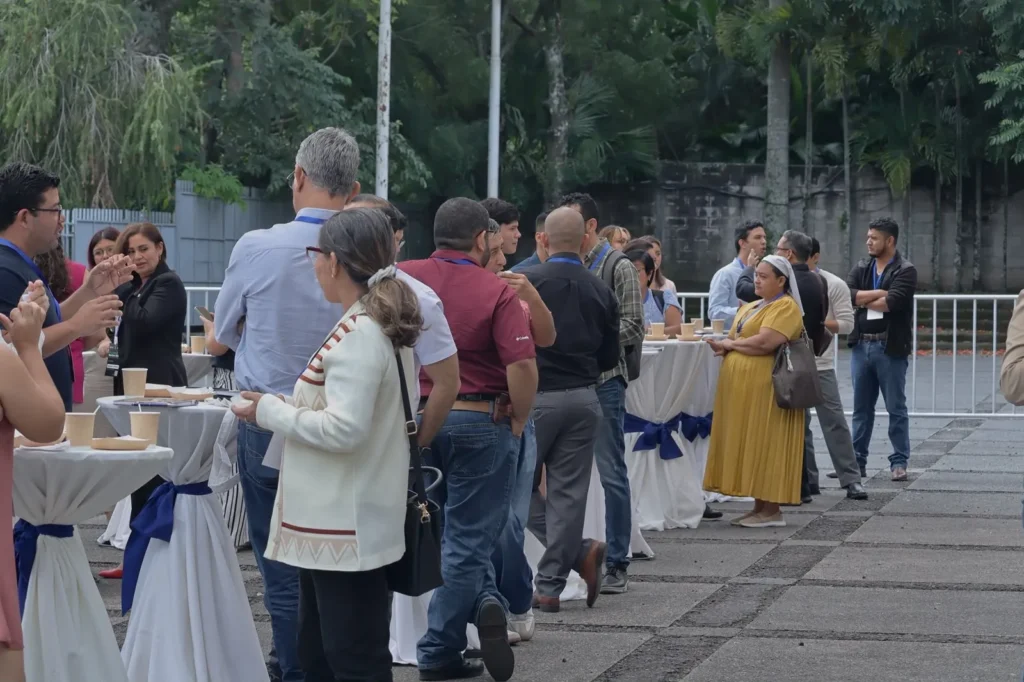
AgroHub | NextGen 2026 reaffirmed El Salvador's potential to drive innovative solutions that contribute to the productivity and sustainability of the agrifood sector. Through these spaces, Zamorano University and BID Lab continue to strengthen the connections between entrepreneurs, companies and institutions so that innovations can reach more producers and markets in Central America. The day concluded with an invitation to take part in AgroHub Summit 2027, which will be held at Zamorano University and will focus on promoting investment and the scaling of AgriFoodTech solutions in the region.
 English
 Spanish