
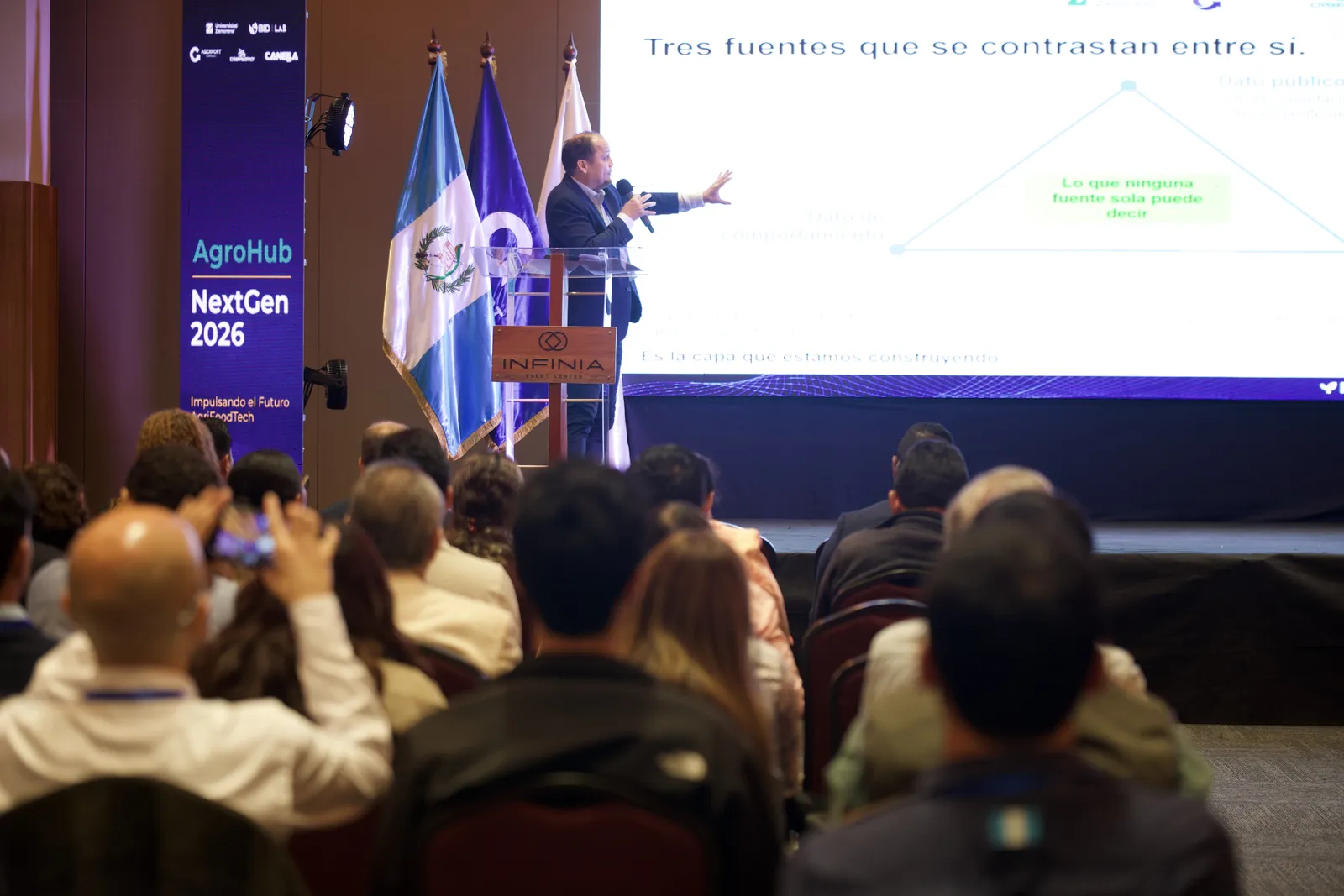
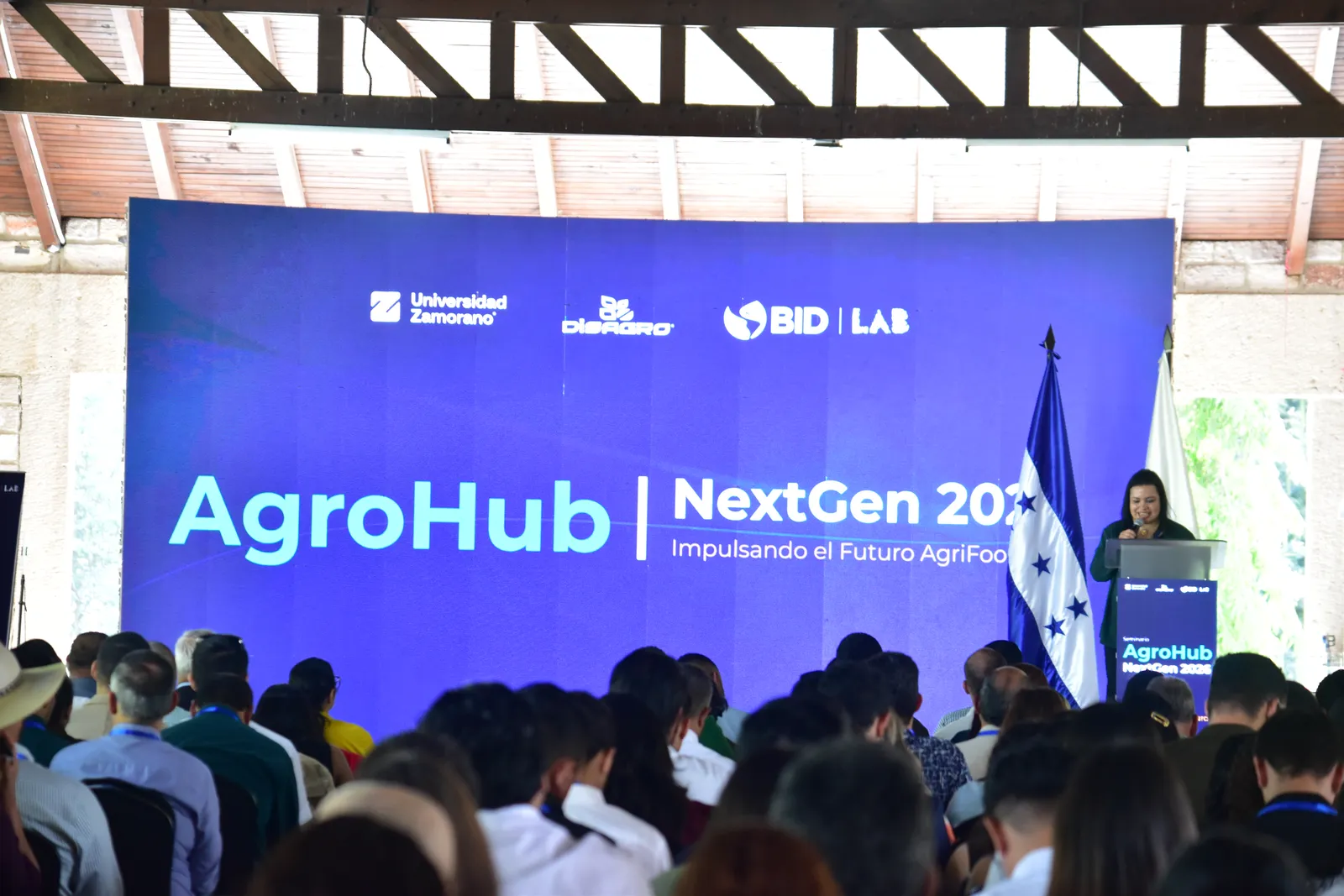
Access to capital, open innovation and growth opportunities for startups in the agrifood sector were the central themes of AgroHub | NextGen 2026: Driving the Future of AgriFoodTech, a regional event organized by Zamorano University and BID Lab, through the AgroHub project, at the Infinia building of the Guatemalan Exporters Association (AGEXPORT). The seminar brought together 132 participants, including business leaders, public sector representatives, investors, academia, cooperation agencies and entrepreneurs, with the aim of bringing technology solutions closer to the needs of the productive sector and generating new opportunities for collaboration.
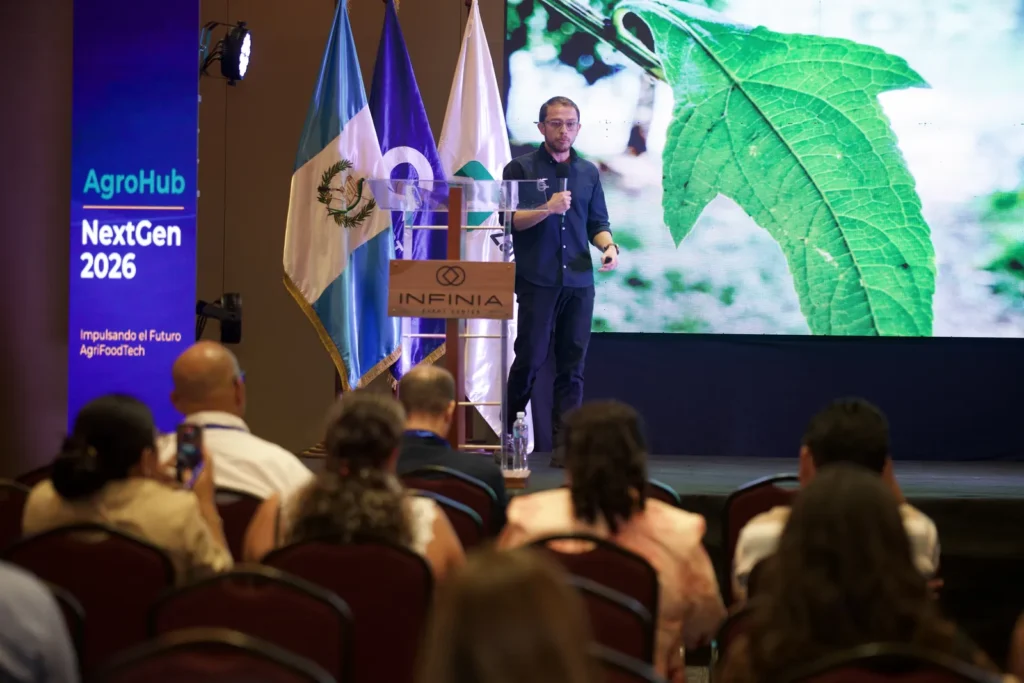
This edition was held in collaboration with AGEXPORT, AgroHub's strategic partner in Guatemala, and was sponsored by Canella and DISAGRO, companies that joined the effort to strengthen innovation and business linkages in the agrifood sector.
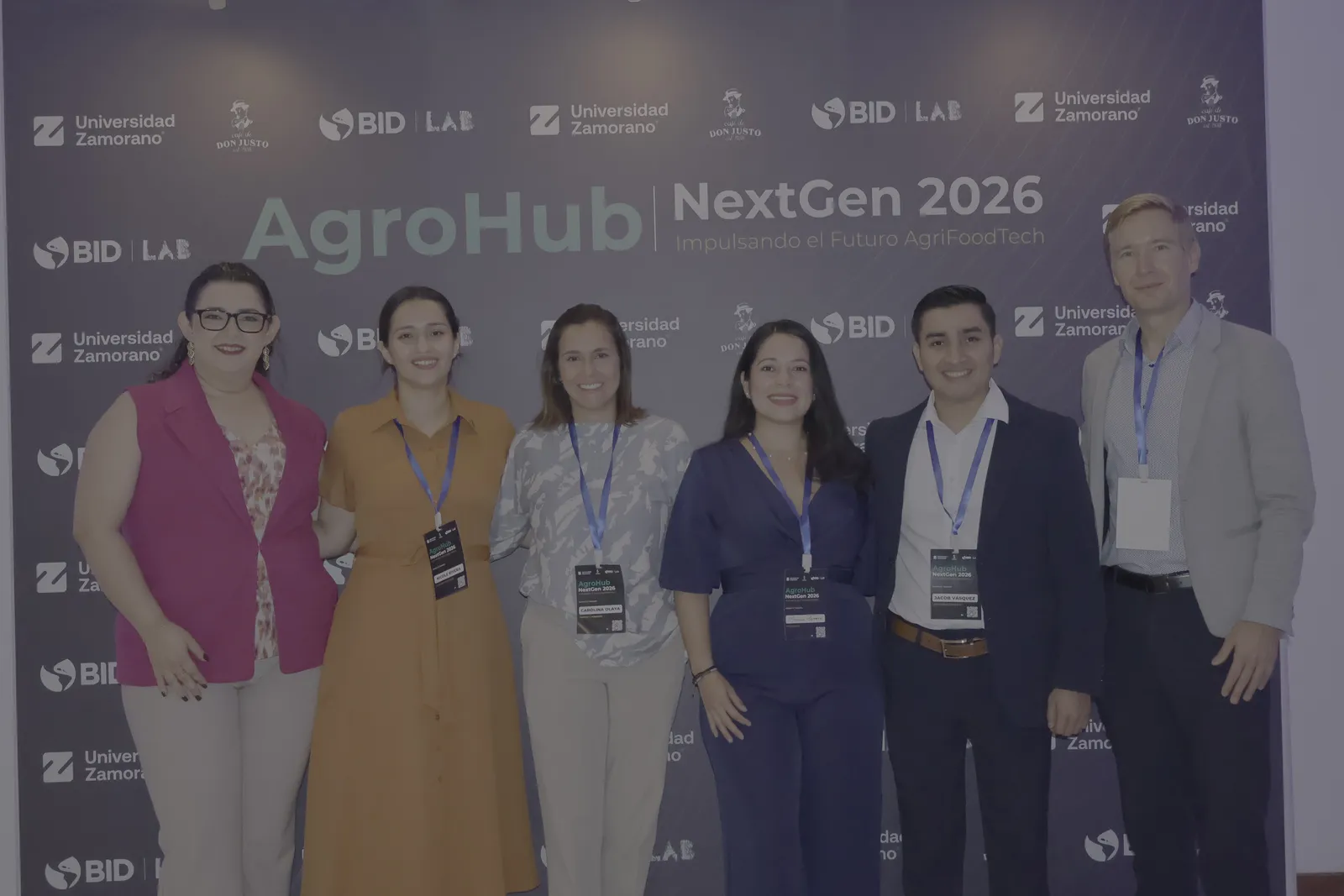
During the opening, the participation of Mayra Motta, vice minister of the Ministry of Agriculture, Livestock and Food (MAGA), highlighted the importance of public-private coordination to drive agricultural modernization and respond to the needs of producers. The event also featured María José Jarquín, representative of the Inter-American Development Bank (IDB) in Guatemala. In turn, Jacob Vásquez, AgroHub coordinator at Zamorano University, emphasized the value of specialized support for ventures and of applied research as tools to facilitate the adoption and scaling of technology solutions.
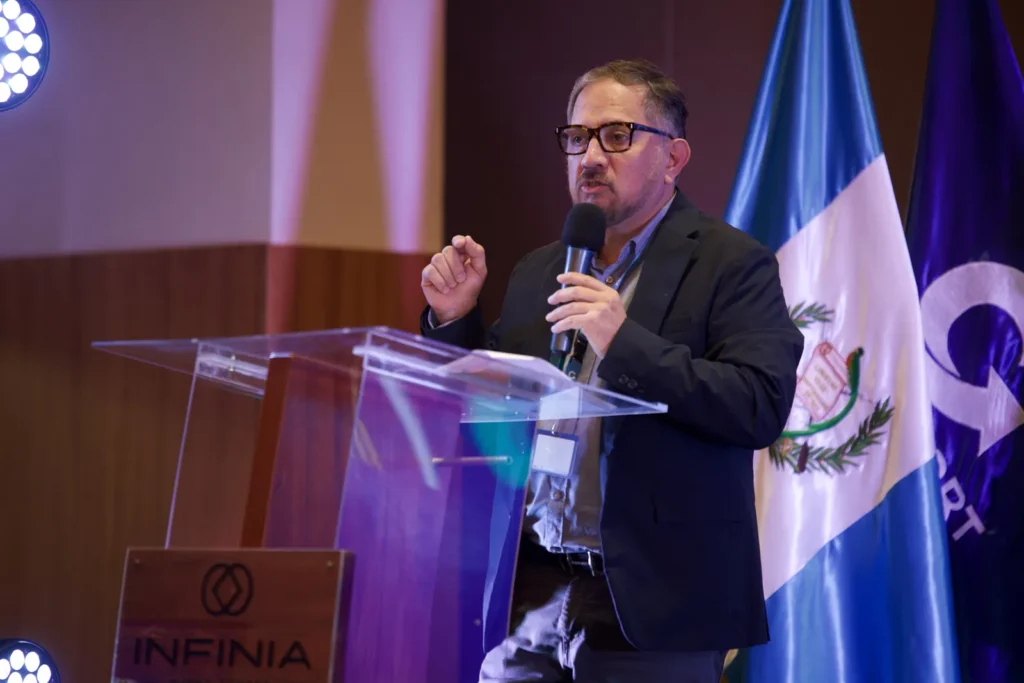
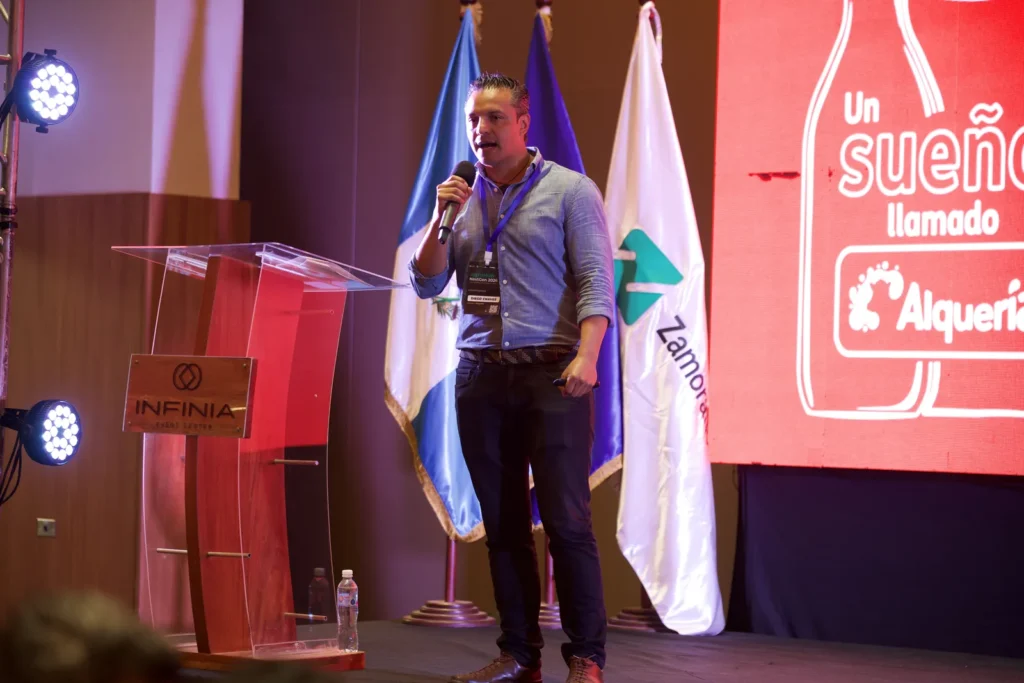
The program included two international speakers. Gregorio Londoño, of Meridian75, Colombia, addressed investment and scaling opportunities for AgriFoodTech startups, highlighting the importance of solid business models, differentiated value propositions and commercial strategies that attract capital and open access to new markets. In turn, Diego Chaves, of Alquería, Colombia, shared the corporate experience in open innovation and how collaboration between large companies and startups can contribute to developing solutions that respond to specific challenges in the agrifood sector.
Experiences from startups in Guatemala and Honduras complemented these perspectives, showcasing technology solutions with applications across different value chains. Claudia Gómez, Operations director of Kaax (Guatemala), presented agricultural intelligence tools for crop monitoring and production decision-making. Jorge Lanza, executive director of Harvverse (Honduras), shared the company's proposal for technology tools aimed at strengthening traceability and transparency in operations. Likewise, Melvin Sánchez, Operations director of Terra Kaapé Digital (Honduras), explained how traceability and access to information can improve the connection between actors in the coffee value chain. Finally, Andrés Villalobos, founder of BioReact (Guatemala), presented plant-based biotechnology solutions for crop protection.
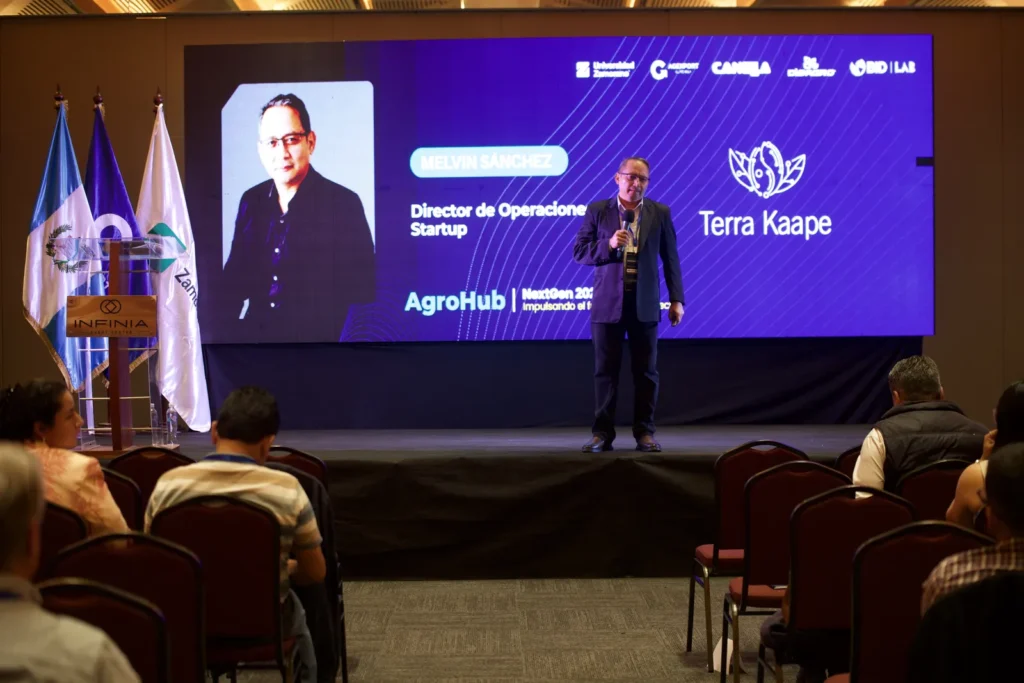
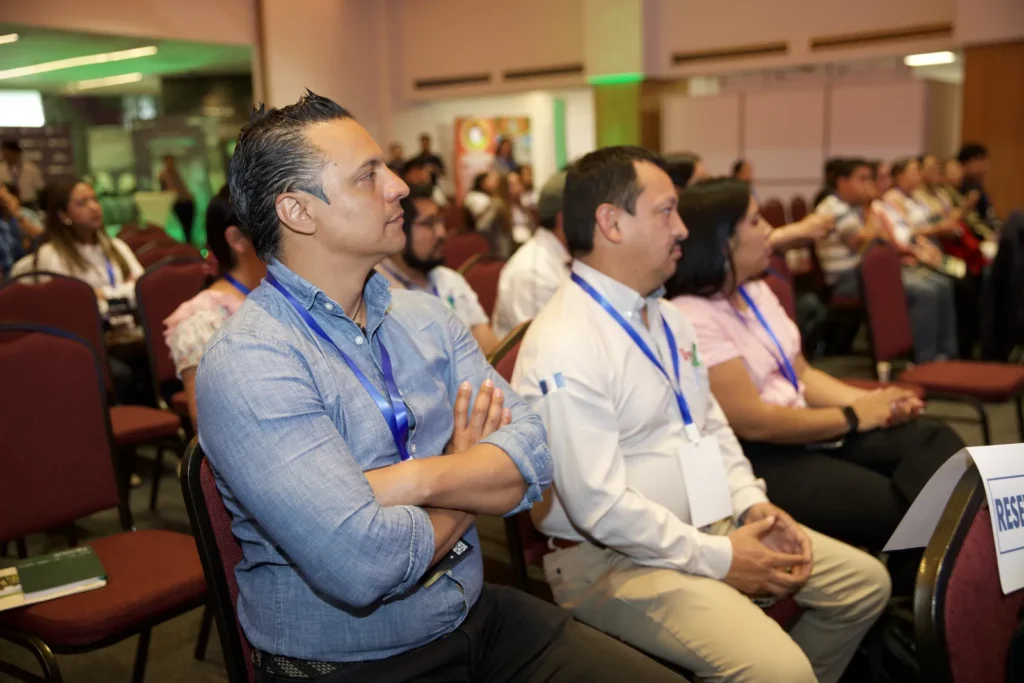
The seminar also featured a technology showcase and networking space, which brought together startups, companies and institutions interested in learning about and exploring collaboration opportunities around these innovations.
One of the highlights was the recognition of three Guatemalan initiatives selected to receive impact capital. In the incubation program, AgroFuture was recognized, which develops precision agriculture solutions using sensors and automation. In the acceleration program, Kaax, specialized in agricultural intelligence and geospatial data, and BioReact, focused on biotechnology solutions for pest and disease management, stood out. This capital will contribute to the technological and commercial strengthening of the initiatives, supporting their growth and positioning in the agrifood sector.
AgroHub | NextGen 2026 reaffirmed the importance of connecting entrepreneurial talent with companies, investors and institutions that can contribute to the growth of AgriFoodTech solutions. Through these spaces, Zamorano University and BID Lab continue to strengthen a regional innovation ecosystem that promotes collaboration, technology adoption and new opportunities for the sustainable development of the agrifood sector in Central America.
 English
 Spanish