
How Do Schoolchildren Eat in Rural Areas?
Nutrition during childhood is crucial for growth, learning, and long-term health. In rural contexts, eating habits are influenced by economic, cultural, and food availability factors. Understanding what schoolchildren eat and how their diets are structured makes it possible to identify opportunities to improve nutrition from the early stages of human development.
A team of researchers from Zamorano’s Department of Food Science and Technology, led by Dr. Adriana Hernández, analyzed the dietary patterns of 201 schoolchildren from rural areas of Honduras based on food consumption frequency and cost. The results identified three main patterns: one based on fresh and local foods such as beans, cereals, fruits, and vegetables; another characterized by the consumption of processed and ultra-processed products; and a third mixed pattern combining animal proteins with fast food. In addition, a high consumption of beans and eggs was observed, but a low intake of fruits and vegetables, revealing important dietary imbalances.
The analysis showed that dietary patterns do not respond solely to cost, but also to habits, preferences, and family context. These findings highlight the importance of promoting nutrition education and strengthening access to healthy foods in the school environment. Understanding how children eat is the first step in designing interventions that improve their well-being and contribute to healthier food systems.
For more information: ahernandez@zamorano.edu
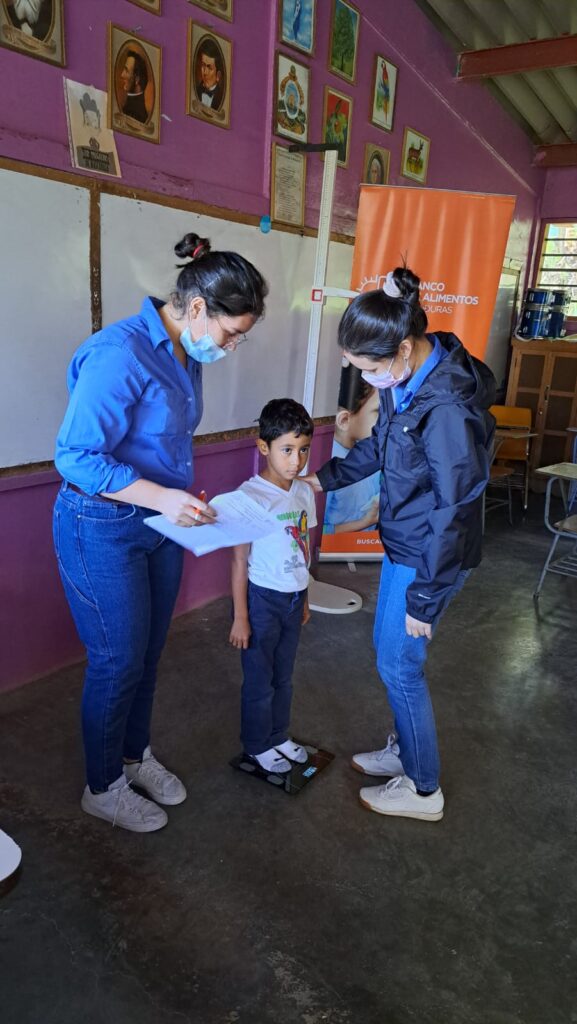
(Credits: A. Hernández)
 English
  Spanish