
Understanding the Diversity of the Angular Leaf Spot Pathogen to Improve Genetic Resistance in the Common Bean Host Crop
Common bean is an essential crop for food security in many regions of the world, but its production is constantly threatened by diseases such as angular leaf spot, caused by the fungus Pseudocercospora griseola. This pathogen is highly variable and has evolved alongside its host plant, the common bean, which makes its control and the development of resistant varieties more difficult. Understanding its genetic diversity is key to strengthening agricultural production.
Dr. Juan Carlos Rosas, Emeritus Professor at Zamorano University, participated in an interinstitutional team of researchers who analyzed the genetic diversity of Pseudocercospora griseola using samples collected in Honduras, Guatemala, Puerto Rico, and Tanzania, applying advanced genomics tools. The results identified two major groups of the pathogen—Andean and Mesoamerican—as well as subgroups within the latter, showing high genetic differentiation across regions. In addition, genes associated with virulence were detected, related to the fungus’s ability to infect the plant and evade its defenses, as well as the presence of an endophytic bacterium that could influence its behavior.
These findings provide valuable information for common bean breeding programs, making it possible to select materials with greater resistance to specific pathogen populations. By better understanding how Pseudocercospora griseola evolves and adapts, new opportunities emerge to develop more effective management strategies, contributing to a more sustainable and resilient production of this staple grain.
For more information: jcrosas@zamorano.edu
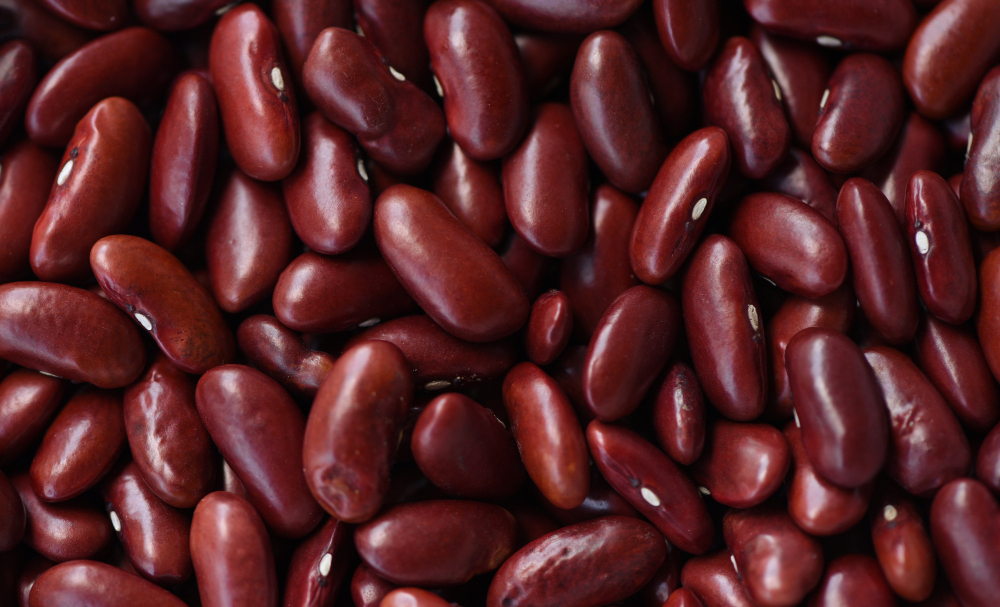
(Image from Freepik)
 English
  Spanish