
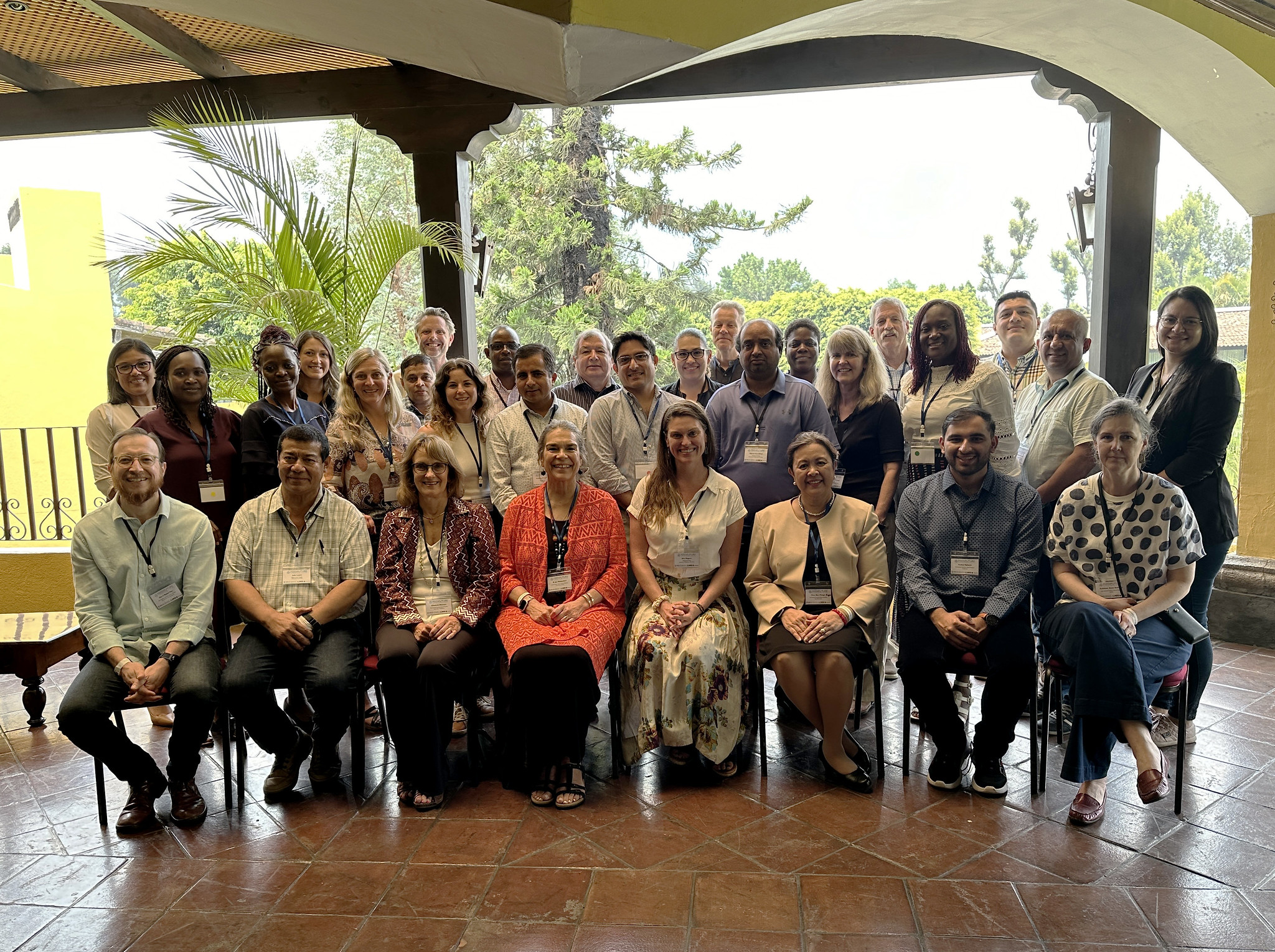
Antigua, Guatemala - June 6, 2024.
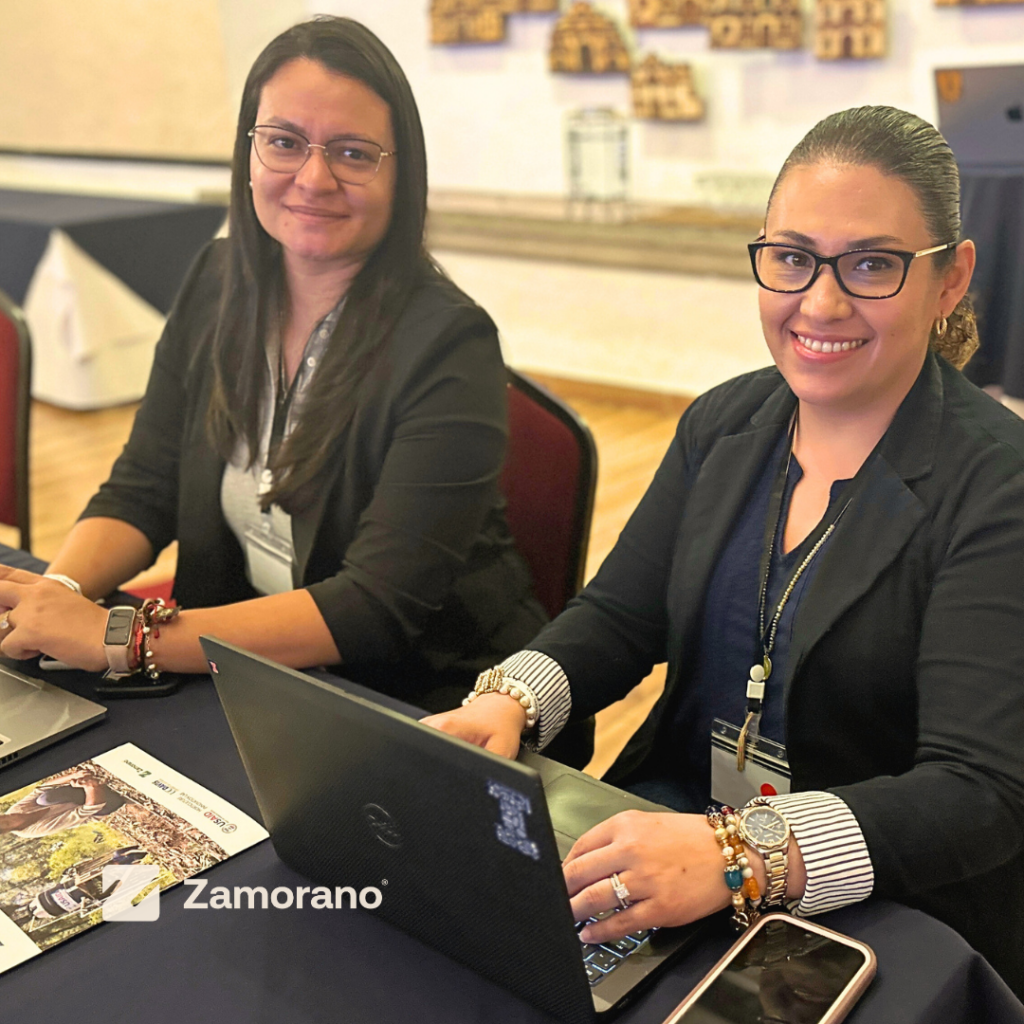
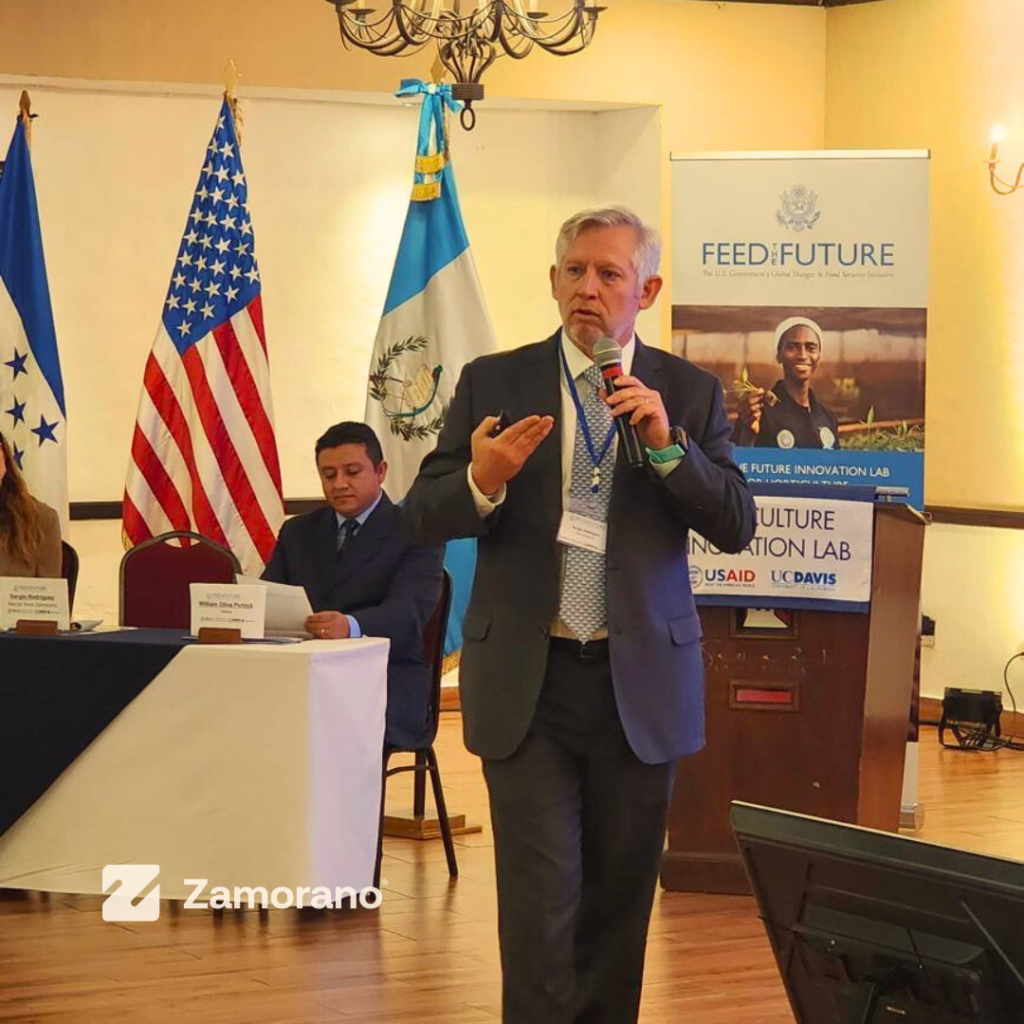
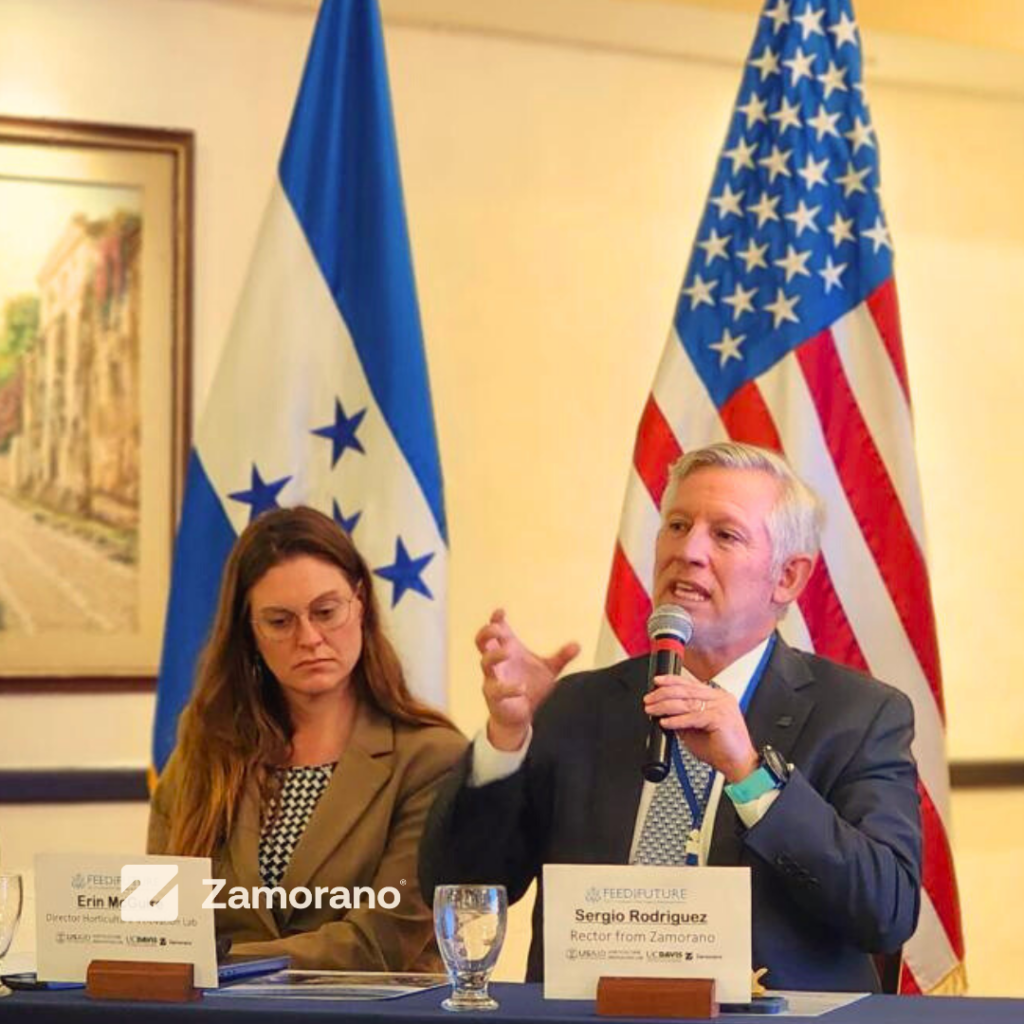
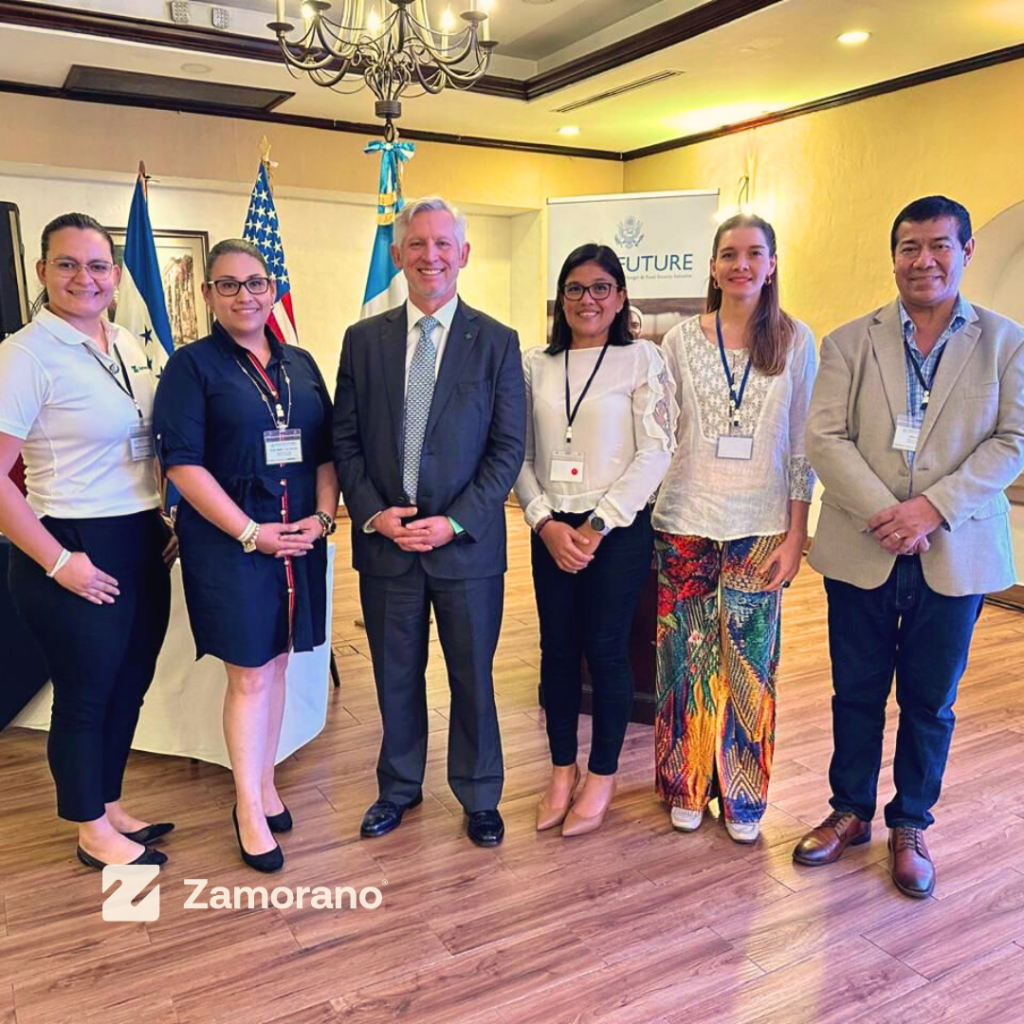
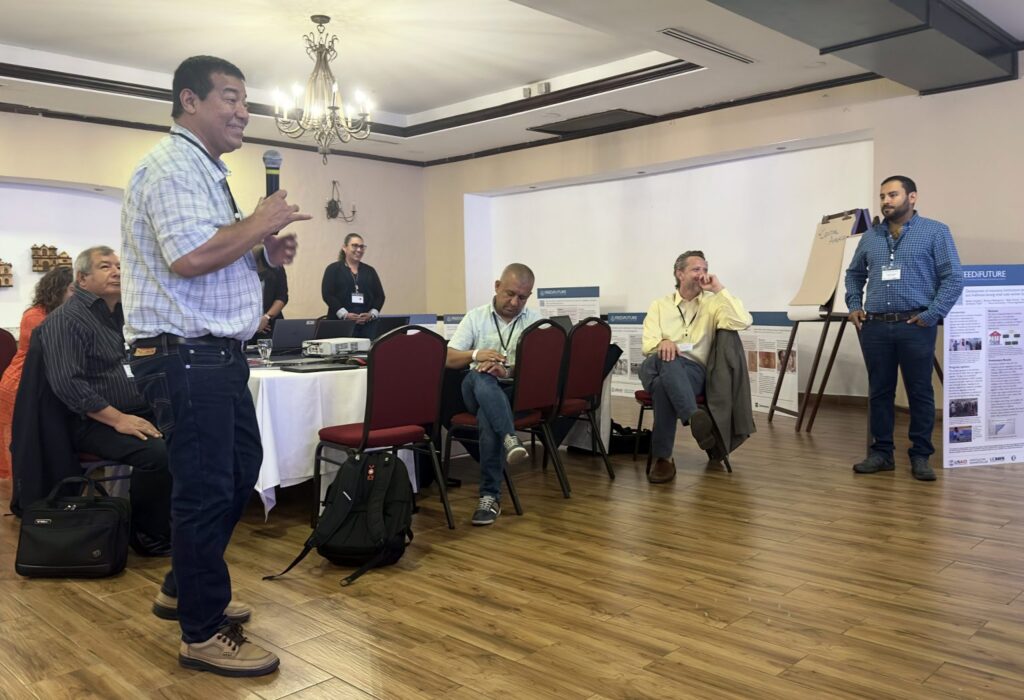
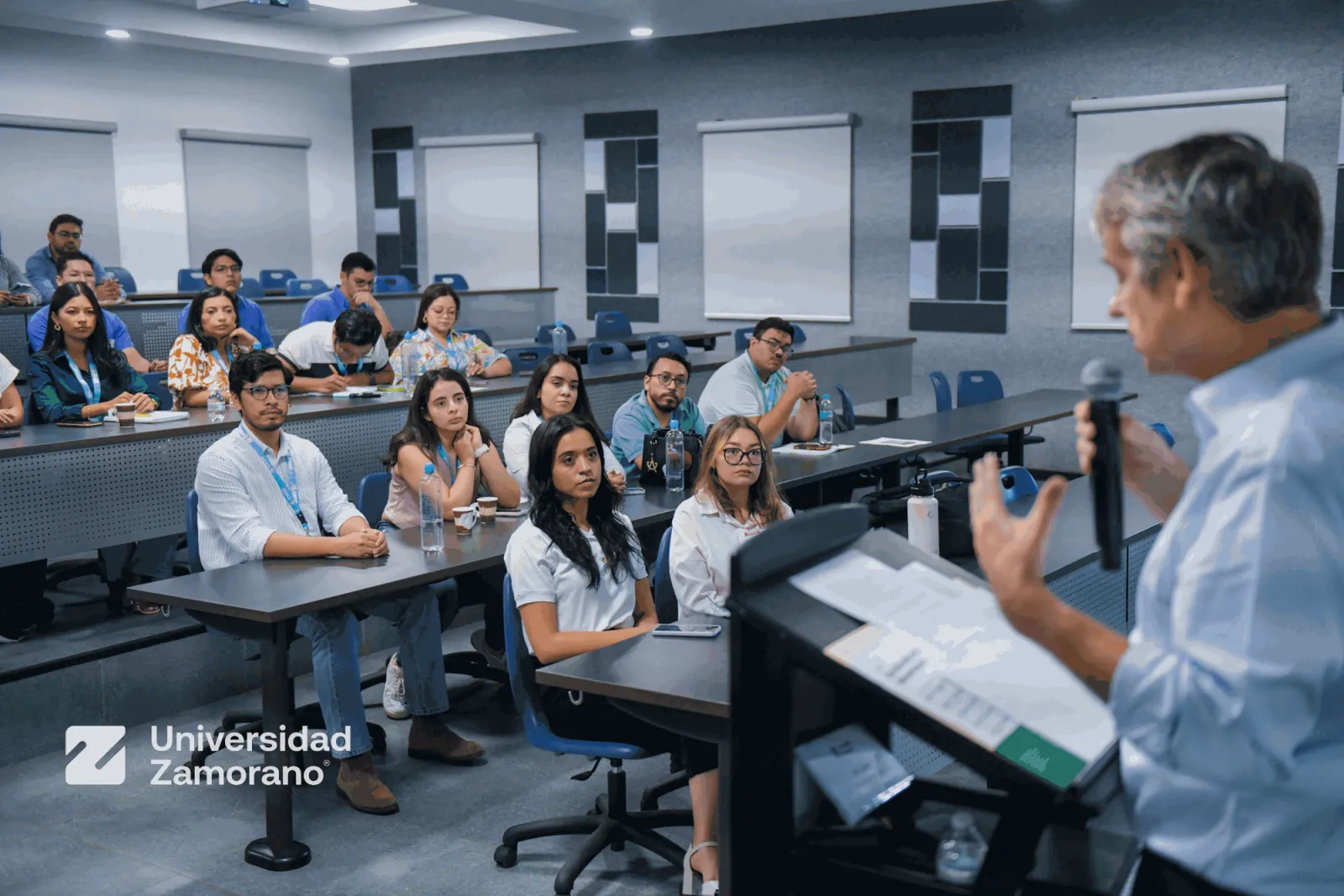
Zamorano's Agricultural Science and Production Department, as the Regional Horticulture Innovation Center of the Feed the Future Horticulture Innovation Lab program, a U.S. government program, organized the annual meeting of the Horticulture Innovation Lab in Antigua, Guatemala. This event contributes to Zamorano's mission to promote research and innovation in the agricultural sector.
As the Regional Horticulture Innovation Center, Zamorano is responsible for coordinating and supervising research and training projects in the region, as well as introducing and promoting new technologies and innovative practices. In addition, the center is responsible for establishing and strengthening relationships with partner countries, including collaboration with USAID missions.
Julio López, Celia Trejo and Patricia Arce, Zamorano faculty members and leaders of this project, work closely with field implementers and stakeholders to ensure the effectiveness and progress of the research. As part of this commitment, Zamorano has launched research initiatives in Guatemala, focusing on crucial topics such as drip irrigation, conservation agriculture and soil health.
Currently, Zamorano is conducting two research projects in Guatemala. One, led by Dr. Rolando Cifuentes of the Universidad del Valle de Guatemala (UVG), focuses on providing innovative solutions to the challenges faced by farmers due to climate change. The other, led by José Salvador Vega Prado Leiva of Acceso and Luis Peñate of Universidad Rafael Landívar, seeks to improve the incomes and livelihoods of local producers.
In addition to its role as Regional Center, Zamorano administers research assistantship funds related to the horticultural sector for Zamorano students, as well as students from Honduras and Guatemala.
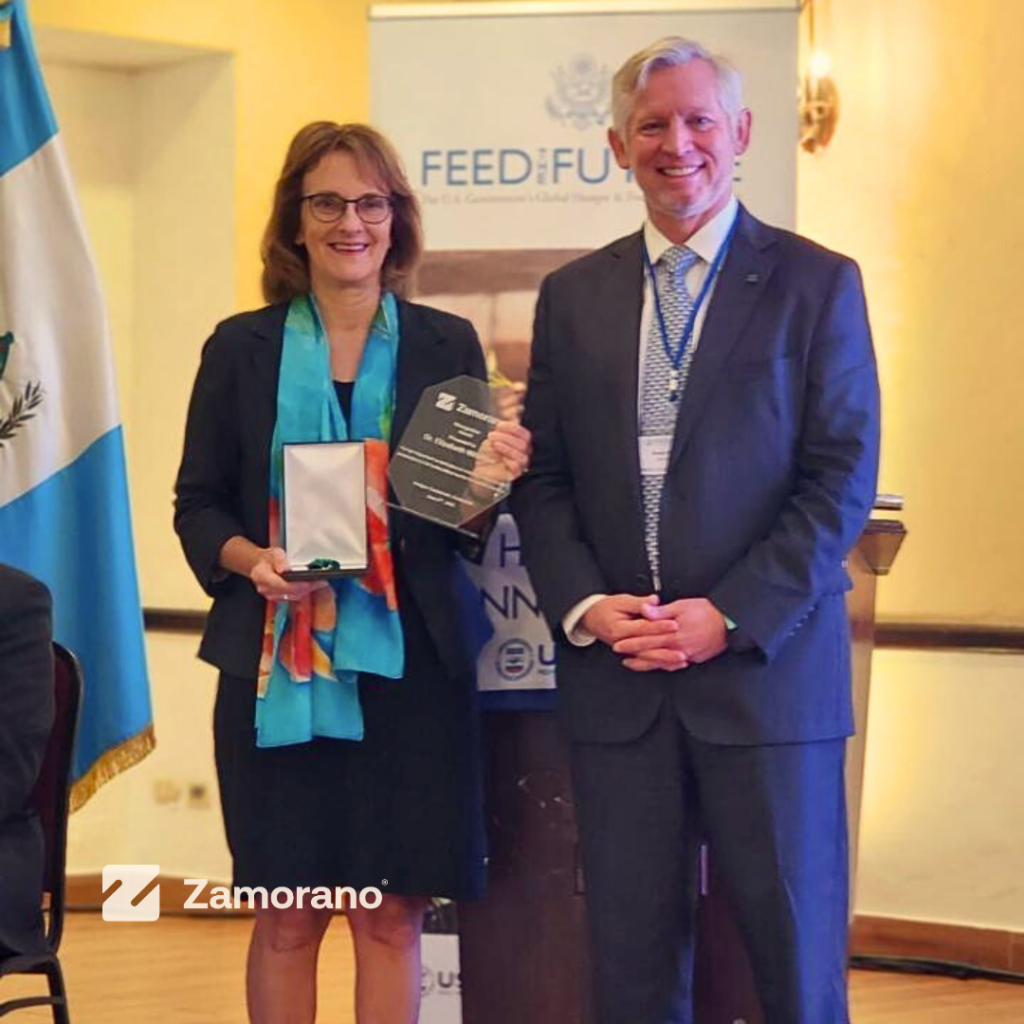
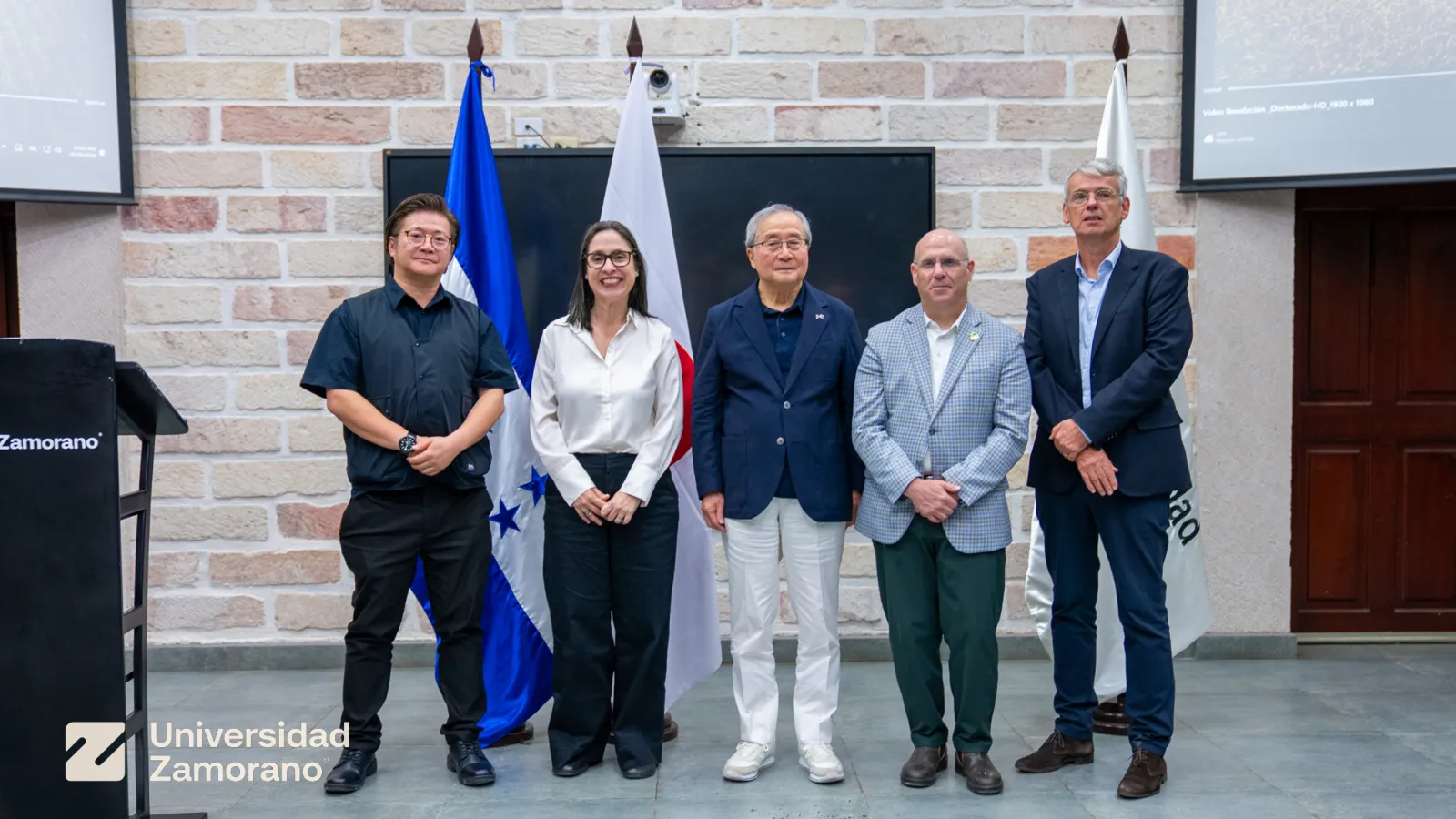
During this meeting held in Antigua, Zamorano President Sergio Rodríguez presented the President's Medal to Dr. Elizabeth Mitcham, professor emeritus of the University of California, Davis, in recognition of her outstanding collaboration and contribution to research and extension programs in the region's horticultural sector.
Dr. Mitcham, a highly respected figure in the field of horticulture, has devoted decades of her career to improving crop production and quality around the world. Her work has been instrumental in advancing research in post-harvest technology and sustainable agricultural practices.
In summary, this represents a significant step forward in Zamorano's commitment to lead innovation and sustainable development in agriculture in the region.
Créditos Fotografias: Heather N. Hayashi y Leonel Antonio Contreras
 English
  Spanish