
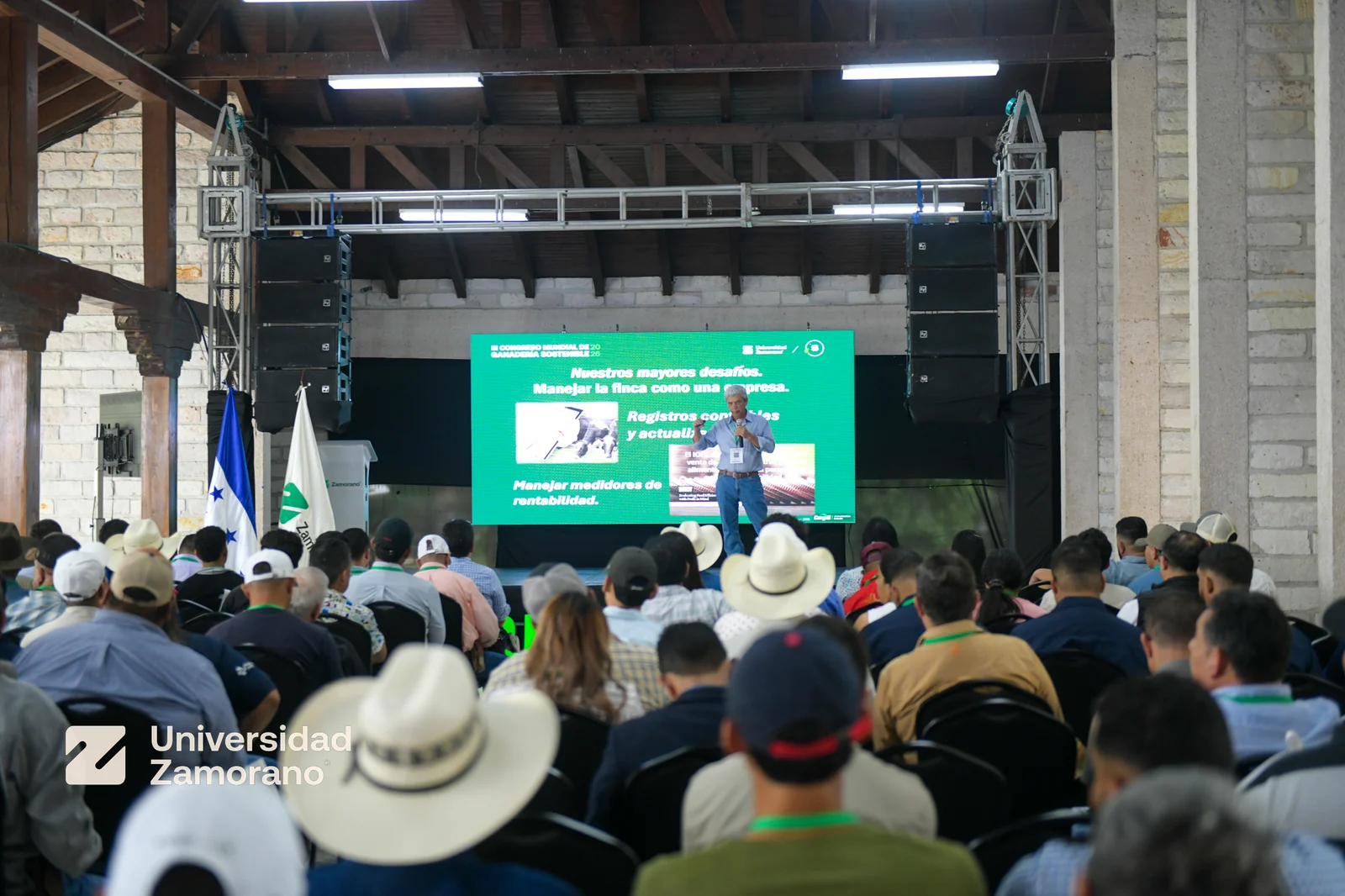
Science, innovation, and knowledge sharing took center stage during two days of discussions focused on advancing more efficient, resilient, and sustainable livestock production systems. The event brought together international experts, industry representatives, and organizations committed to the future of the livestock sector.
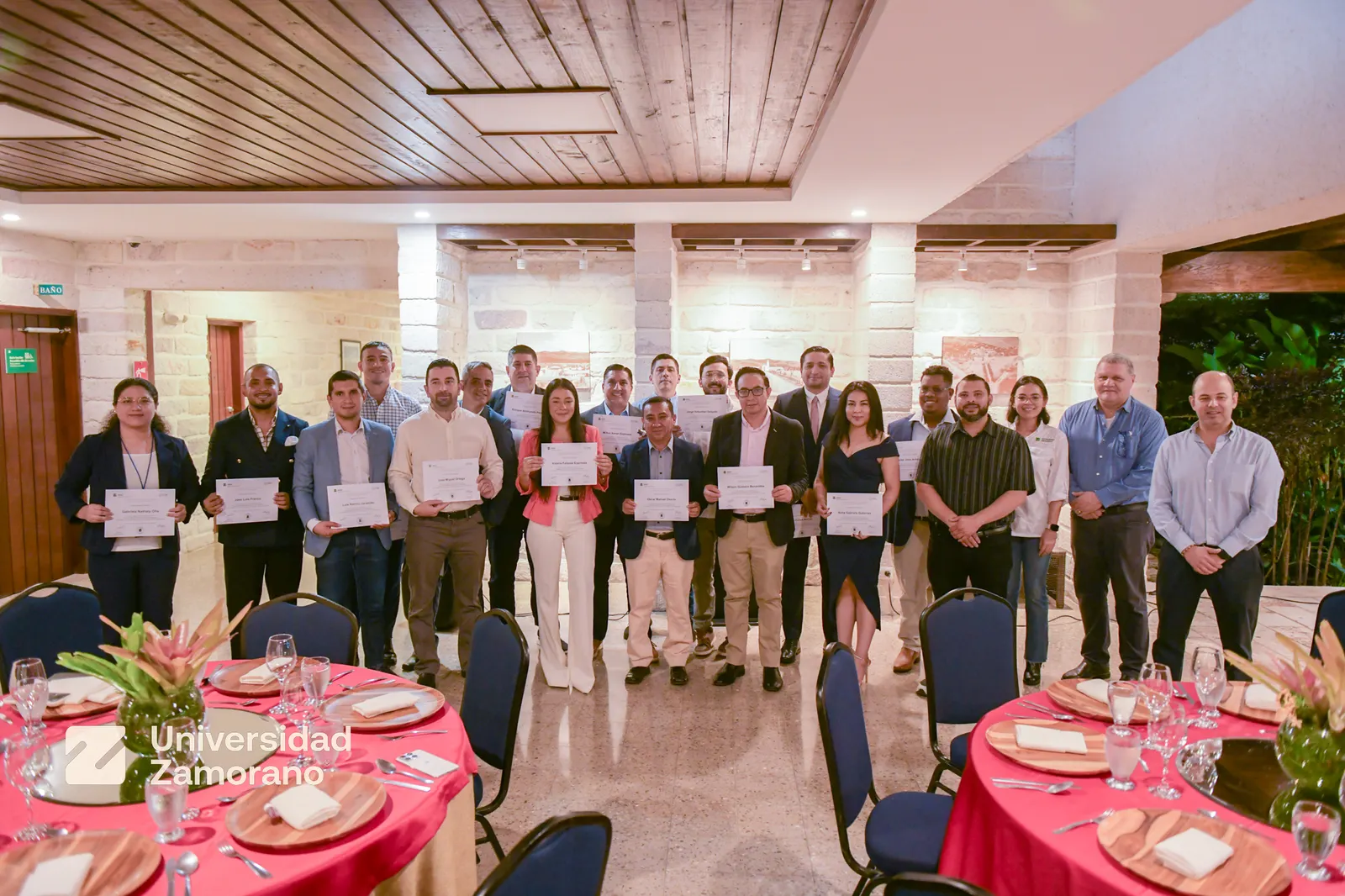
Zamorano University, in partnership with the World Association for Sustainable Livestock, hosted the Third World Congress on Sustainable Livestockon November 19–20, 2026. The international gathering welcomed more than 250 participants, including researchers, industry professionals, representatives from public and private institutions, academics, and students, to exchange scientific insights, emerging technologies, and real-world experiences shaping the future of livestock production.
Under the theme “Science That Transcends, Livestock Farming That Regenerates,” the congress provided a platform for collaboration and meaningful discussions on some of the industry's most pressing challenges, including climate change, food security, and the need for more efficient, profitable, and environmentally responsible production systems.
The opening ceremony featured remarks from Jeffery P. Cohen, President of Zamorano University; Antonio José Piñeros Lara, President of the World Association for Sustainable Livestock; and Justo René Martínez, Honduras' Deputy Minister of Livestock at the Ministry of Agriculture and Livestock (SAG). They emphasized the importance of stronger partnerships among academia, producers, and institutions to advance sustainable livestock production.
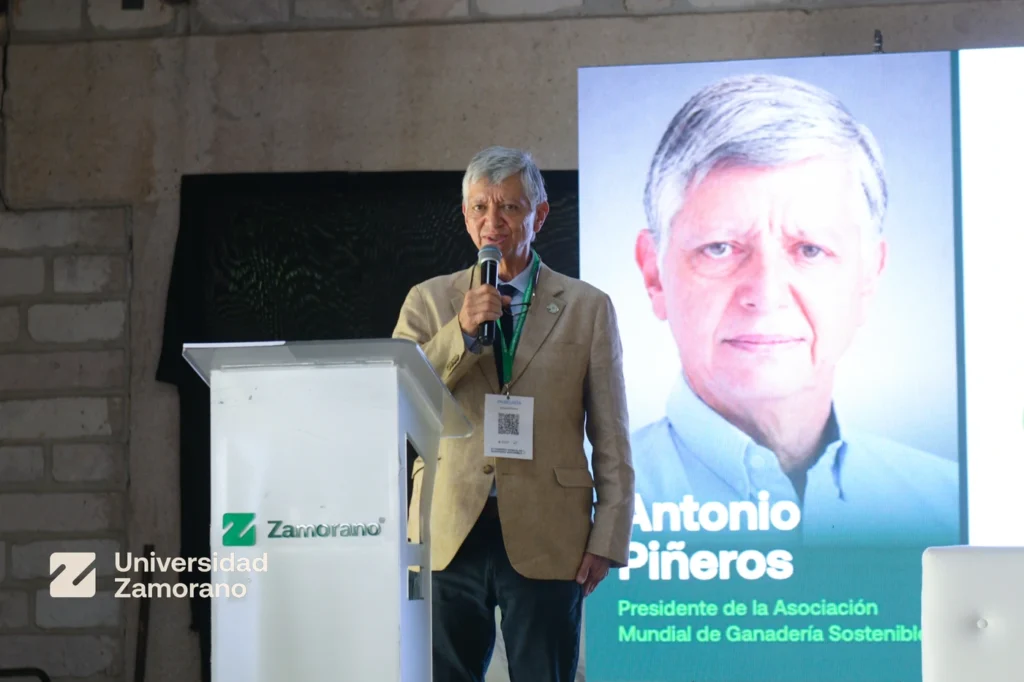
Throughout the two-day event, ten international experts delivered presentations highlighting research, technologies, and practical approaches to livestock sustainability.
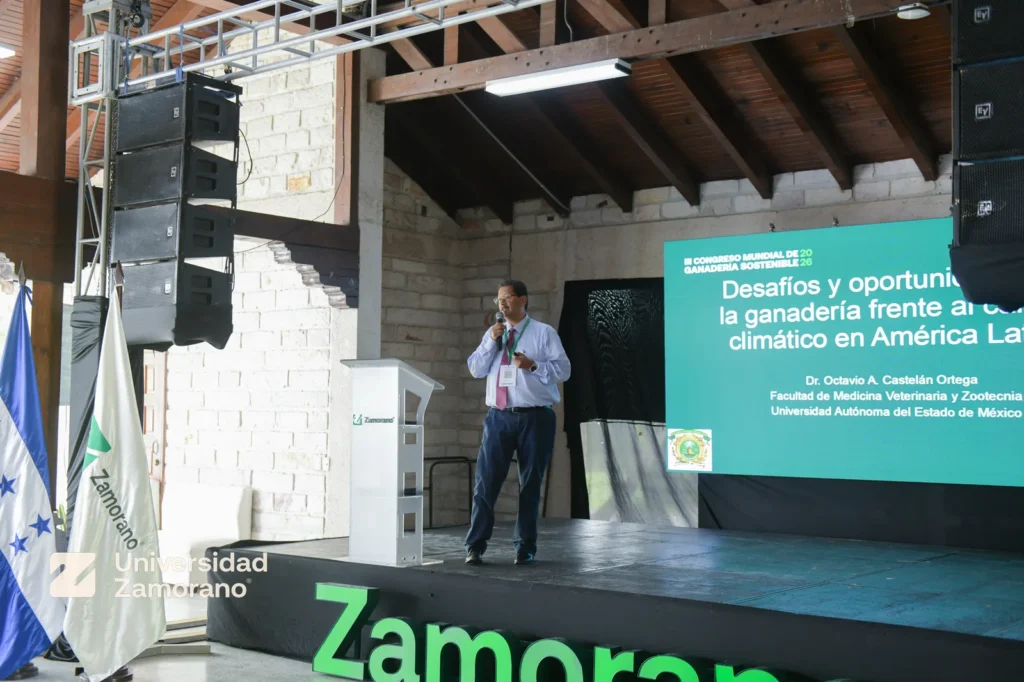
Climate change and adaptation were among the central topics. Octavio Alonso Castelán Ortega explored the challenges and opportunities facing Latin America's livestock sector as climate conditions continue to evolve, while William Monge Quirós shared forage conservation strategies to help producers maintain feed availability during dry seasons.
Digital transformation was another key focus. Esteban Jiménez Alfaro discussed how technology and data can improve livestock management, while Oscar Fernando Ospina Rivera presented examples from Colombia demonstrating the use of Industry 4.0 technologies in livestock production.
In animal nutrition, Oscar Ivanov Flores Ruano shared strategies to support more sustainable livestock systems, while Nicolás Di Lorenzo examined how precision nutrition can improve efficiency and profitability while reducing emissions.
Marcelo Almeida Oliveira explored new genetic selection criteria for more efficient and sustainable livestock production. Martha Sofía Ortega, a Zamorano University graduate from the Class of 2003, highlighted the connections between reproductive efficiency, productivity, animal longevity, and sustainability.
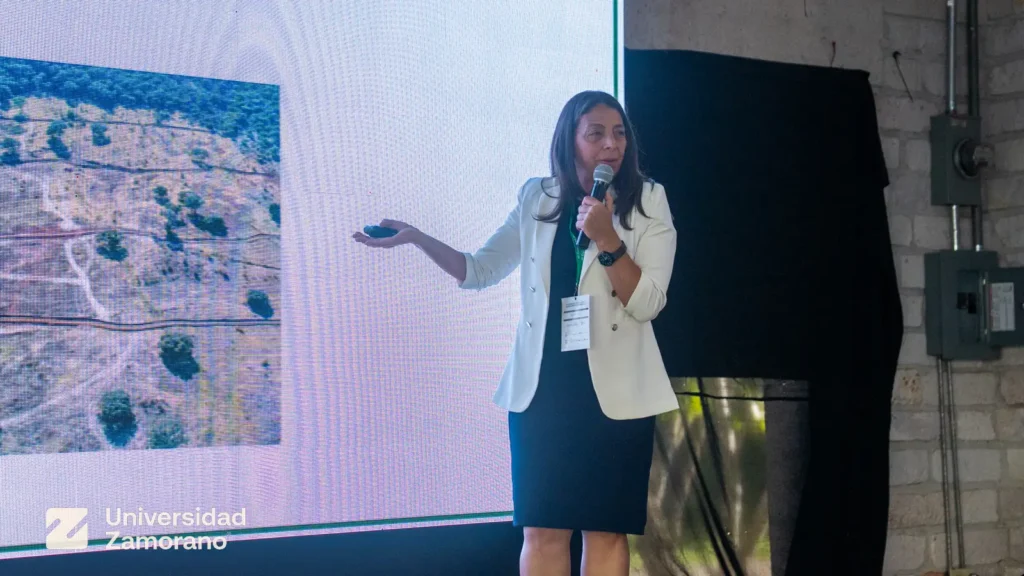
Natural resource management and financing were also part of the discussions. María del Carmen Ponce Rodríguez presented water management strategies to help livestock systems become more resilient to climate change, while Juan Carlos Flores López, a Zamorano University graduate from the Class of 1996, shared climate finance mechanisms and experiences from Honduras.
Together, these presentations highlighted scientific advances and practical solutions that can increase productivity, optimize natural resource use, and strengthen the economic and environmental sustainability of livestock production.
The congress also featured two panel discussions that brought together diverse perspectives on the challenges and opportunities facing the livestock industry.
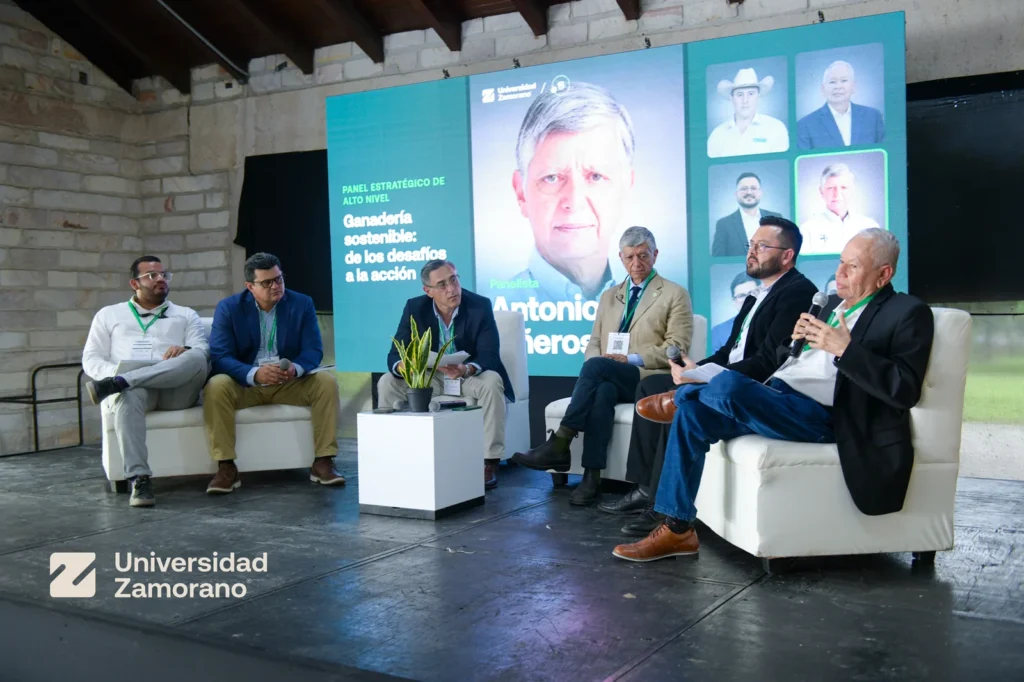
The high-level panel, “Sustainable Livestock: From Challenges to Action—Part of the Problem or Part of the Solution?”, explored the relationship between livestock production, environmental sustainability, public policy, and market dynamics, emphasizing the importance of collaboration across the sector.
Panelists included Justo René Martínez, Honduras' Deputy Minister of Livestock; Marco Machado, Senior Director of Heifer Honduras; Antonio José Piñeros Lara, President of the World Association for Sustainable Livestock; Edwin Daniel García Inestroza, CATIE Representative in Honduras; and Daryl Medina, Coordinator of the Forest Alliance component of the Living Forests of Honduras project, implemented by the Inter-American Institute for Cooperation on Agriculture (IICA). The discussion was moderated by Héctor Alberto Ferreira Sabillón, President of FENAGH, FECALAC, and AGAS.
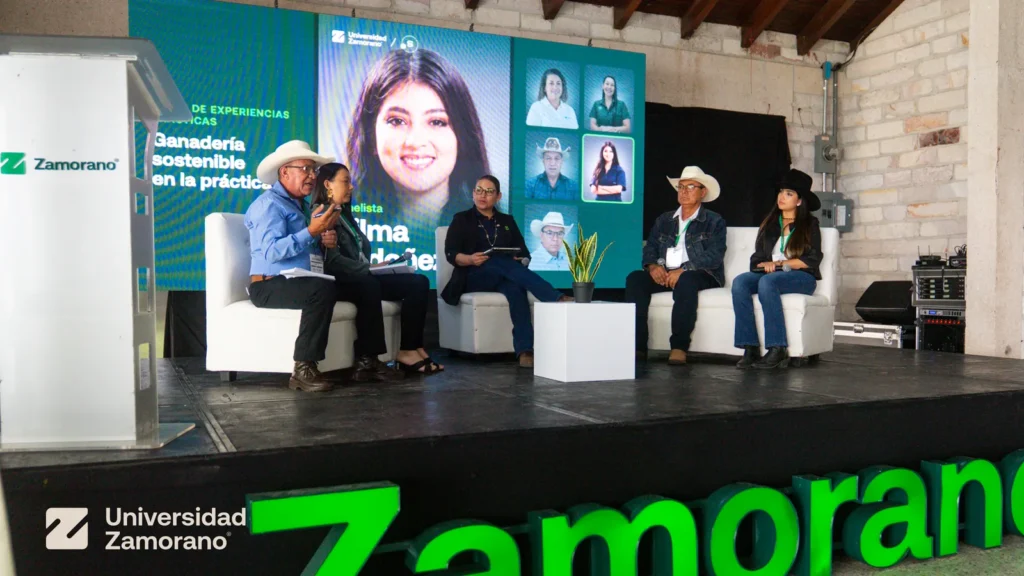
The Practical Experiences and Real-World Case Studies Panel offered firsthand insights into how livestock operations are adopting more sustainable practices. Participants discussed the changes they have implemented, the investments required, the results achieved, and the challenges encountered along the way.
The panel featured Marilyn Vásquez Loaiza, Project Director at Costa Rica's Livestock Corporation (CORFOGA); José Coronado Ortiz Medina, a Honduran livestock producer; Vilma María Ordóñez, Owner and General Manager of Hacienda San Diego; and Oswaldo Fidel Díaz Arrazola, a Honduran producer with experience in regenerative livestock farming.
The discussion was moderated by Celia Trejo, Director of Zamorano University's Department of Agricultural Sciences and Production, who guided the exchange of experiences on how sustainable practices can improve productivity, conserve natural resources, and strengthen the resilience of livestock systems.
Learning-by-Doing: Turning Knowledge into Practice
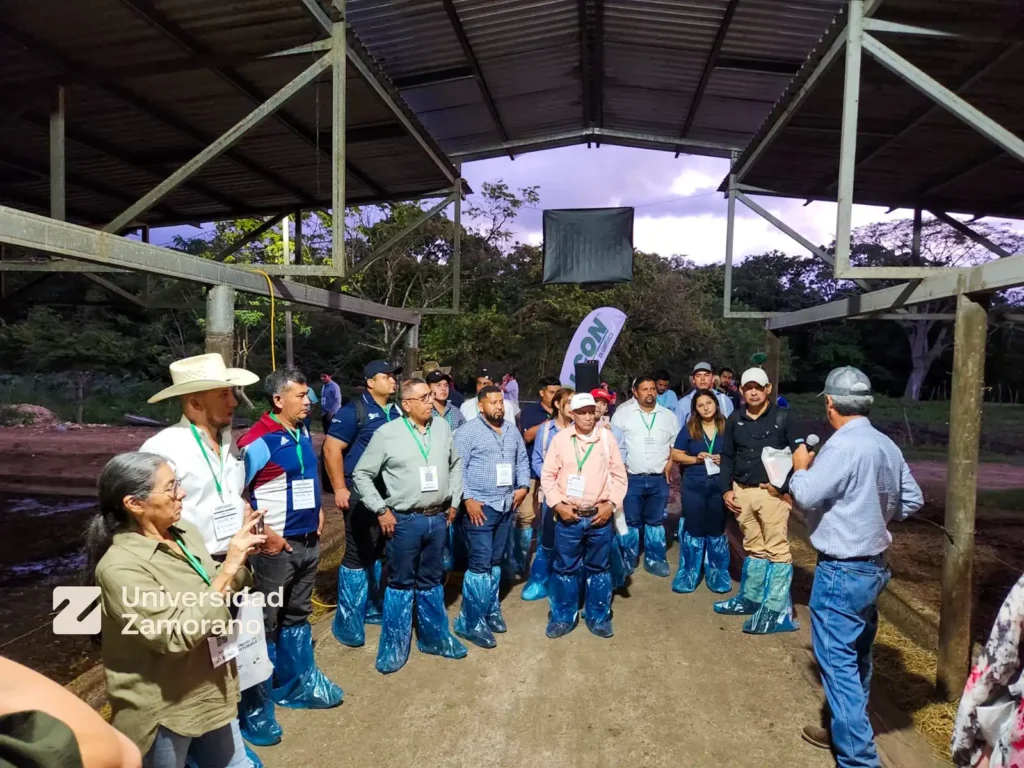
As part of the academic program, participants took part in five specialized hands-on workshops designed to introduce practical tools and strategies for livestock production.
The workshops covered the use of TaurusWebs for livestock management, led by Oscar Fernando Ospina Rivera; water management for resilient livestock systems, led by María del Carmen Ponce Rodríguez; forage conservation, led by William Monge Quirós; sustainable animal nutrition, led by Oscar Ivanov Flores Ruano; and the production of multinutritional feed blocks using locally available resources, led by Jairo Castellanos and Ramón Santos.
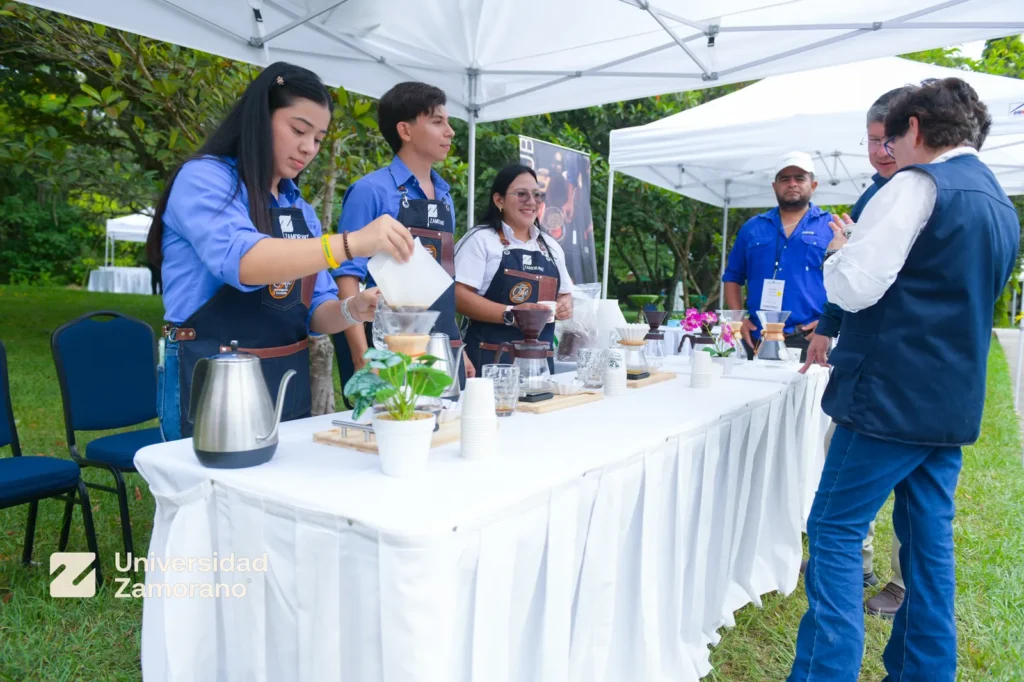
These hands-on sessions complemented the presentations and panel discussions, helping bridge the gap between scientific research and its practical application in the field.
This approach reflects Zamorano University's Learning-by-Doing educational model, which integrates classroom knowledge with practical experience to develop solutions to the challenges facing the agriculture and food sector.
Honoring the Legacy of Dr. Isidro “Chilo” Matamoros
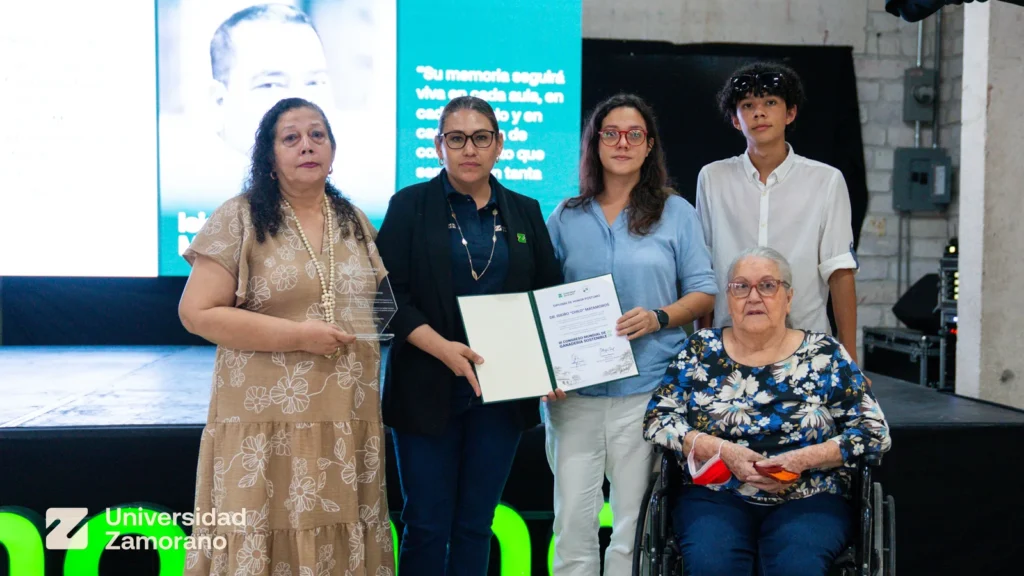
One of the most meaningful moments of the congress was a posthumous tribute to Dr. Isidro “Chilo” Matamoros, whose academic career and contributions to Latin America's livestock sector left a lasting impact on the advancement of sustainable livestock production.
Dr. Matamoros played a pivotal role in establishing and promoting the World Association for Sustainable Livestock, championing research, knowledge exchange, and collaboration among experts and organizations across the industry.
The tribute included a commemorative video and the presentation of an award honoring his legacy, accepted by his wife, Carla Garcés de Matamoros. The recognition celebrated his dedication to science, education, and the development of sustainable livestock production throughout Latin America.
Strategic Partnerships Strengthening the Livestock Sector
The Third World Congress on Sustainable Livestock was made possible through the support of companies, institutions, and organizations committed to research, innovation, and the sustainable development of the livestock industry.
Sponsors included the Honduran Ministry of Agriculture and Livestock (SAG) and the MAF Ganadería Honduras project in the Global Impact category; TaurusWebs/SADEP, Heifer International Honduras, Cargill, and Banco de Occidente in the Sustainability category; Tecnología Lechera in the Living Systems category; and ABBA Travel, EUROPEN de Honduras, MM Print Martínez Moreno, JDM Producciones, Grupo Cadelga, Lácteos Nelly, and the National Federation of Farmers and Livestock Producers of Honduras (FENAGH) in the Roots category.
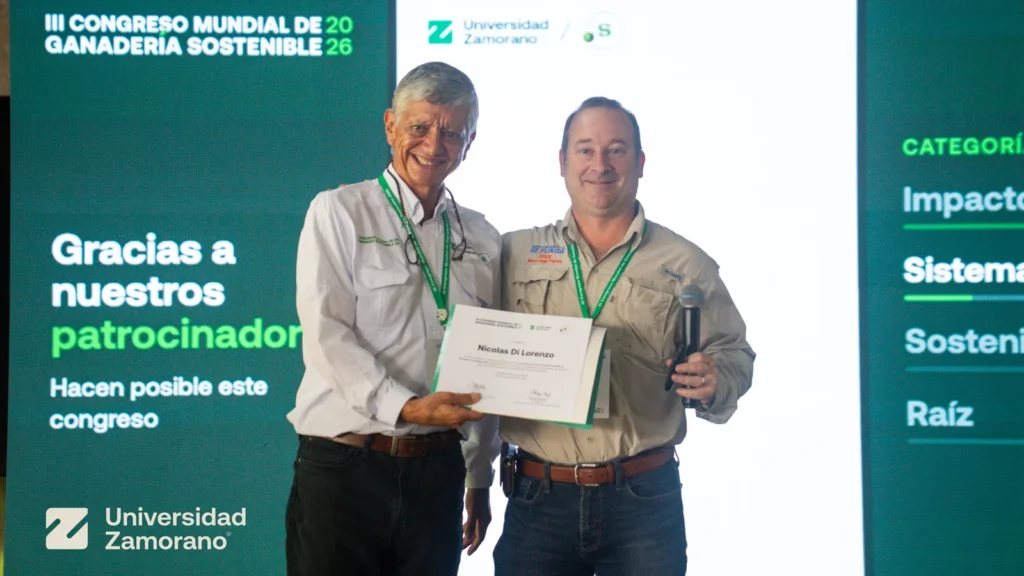
Their support helped create opportunities for scientific exchange, professional networking, and collaboration among academia, producers, public institutions, and private companies, strengthening the partnerships needed to advance more sustainable livestock production.
Colombia to Host the Next World Congress in 2027
During the closing ceremony, organizers announced that Colombia will host the Fourth World Congress on Sustainable Livestock, continuing this international platform for knowledge sharing, collaboration, and innovation.
The third edition concluded by highlighting the importance of bringing together scientific research, emerging technologies, practical experience, and institutional partnerships to address the challenges facing the livestock industry and contribute to global food security.
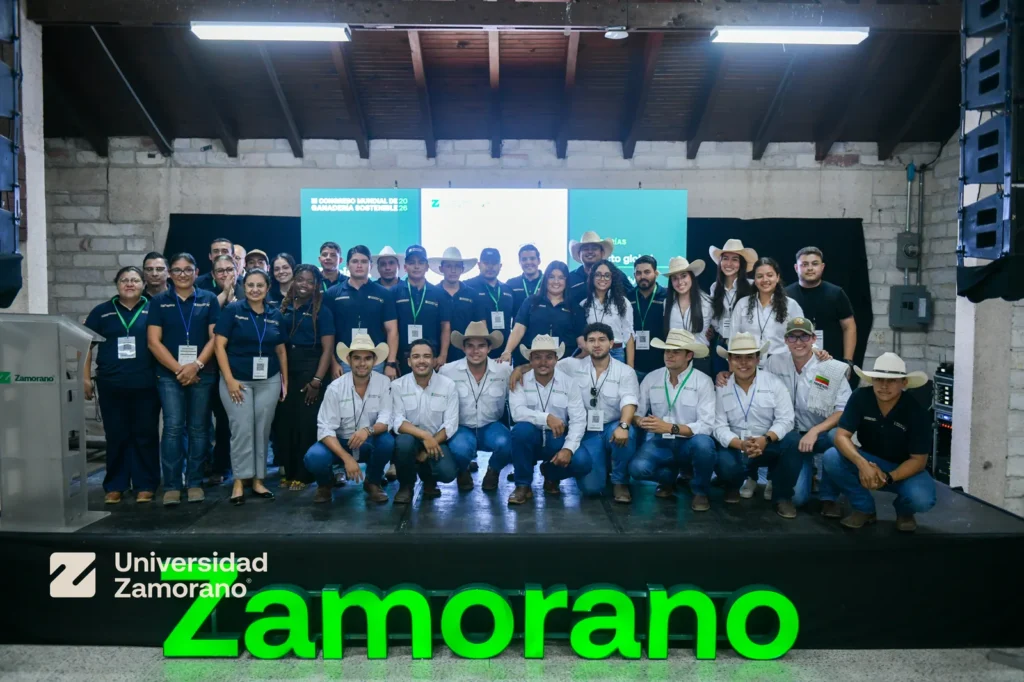
By hosting this international gathering, Zamorano University reaffirms its commitment to applied research, knowledge transfer, and educating professionals equipped to develop innovative, sustainable solutions that advance the agriculture and food sector across Latin America and beyond.
 English
 Spanish