
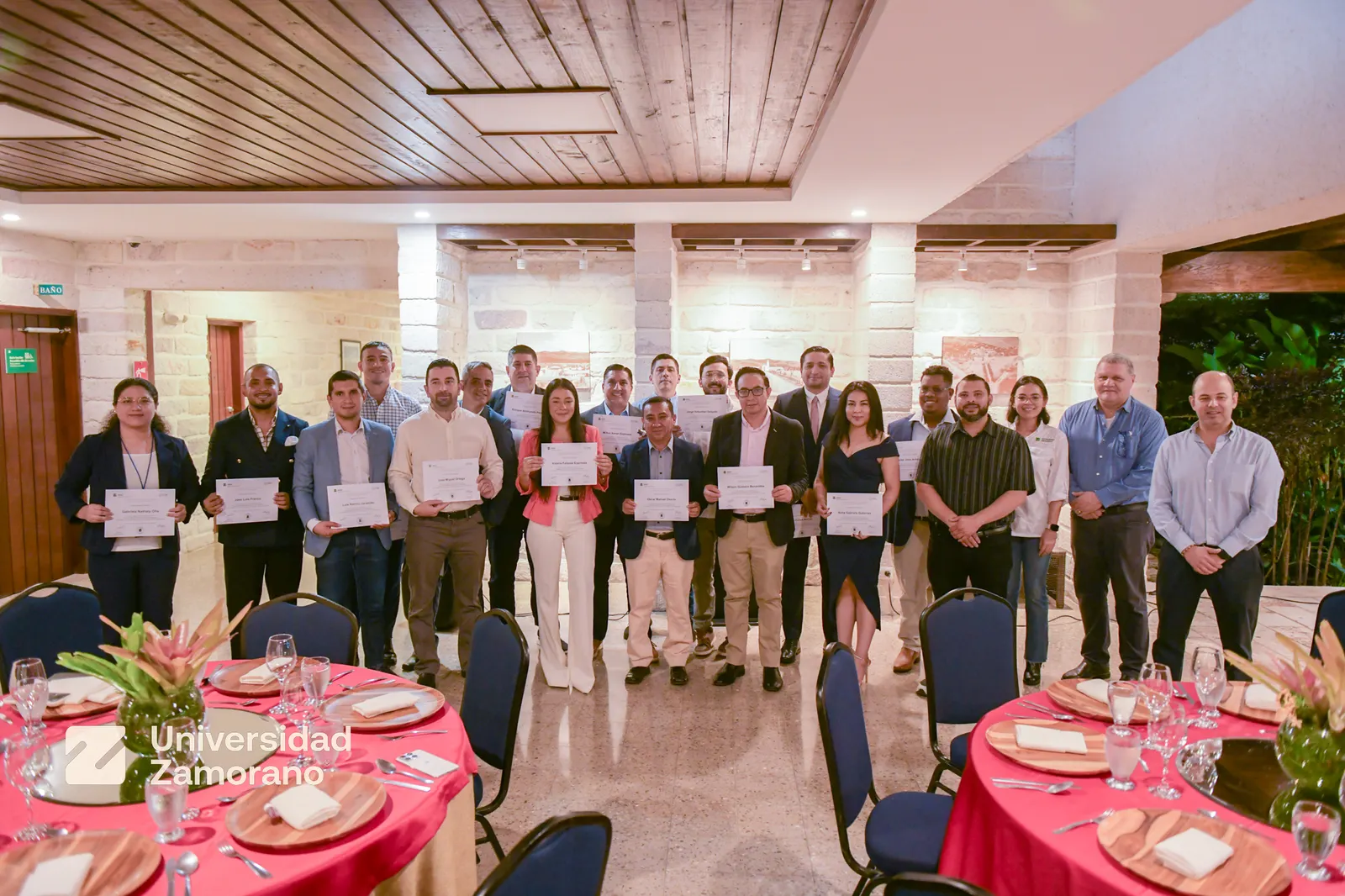
Professionals from Ecuador, Guatemala, and Honduras successfully completed the 2026 International Agribusiness Management Program (PIDA), an executive education initiative jointly developed by Zamorano University, Escuela Superior Politécnica del Litoral (ESPOL), and ESPAE Graduate School of Management in Ecuador. The program combined virtual coursework with an in-person International Week at Zamorano University's campus, designed to strengthen the leadership and strategic management skills needed to advance the agrifood sector.
PIDA prepares professionals to lead and transform agribusinesses through a global strategic perspective, effective management practices, and a commitment to sustainability. Its academic approach is built around four core pillars: resource management, product management, strategic direction, and global perspective, with sustainability integrated throughout the program.
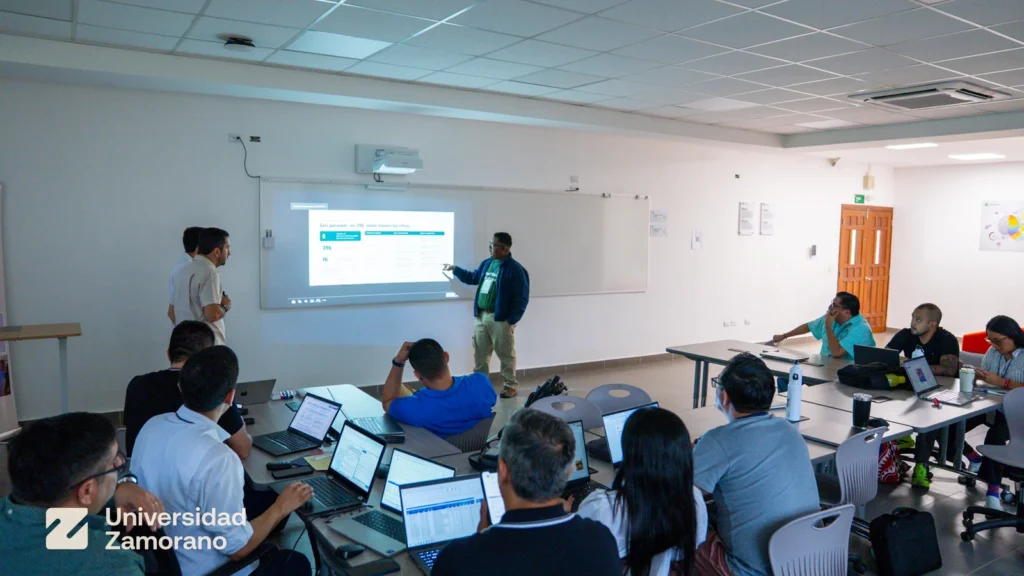
The 2026 edition began in August and featured nine specialized modules covering management and leadership skills, international trade, agribusiness competitiveness, entrepreneurship and innovation, artificial intelligence for decision-making, sustainable supply chains, marketing, finance, and data analytics. These topics equipped participants with practical tools to identify business opportunities, optimize operations, and strengthen competitiveness across the agricultural and agroindustrial sectors.
International Week: Connecting Knowledge with Hands-On Experience
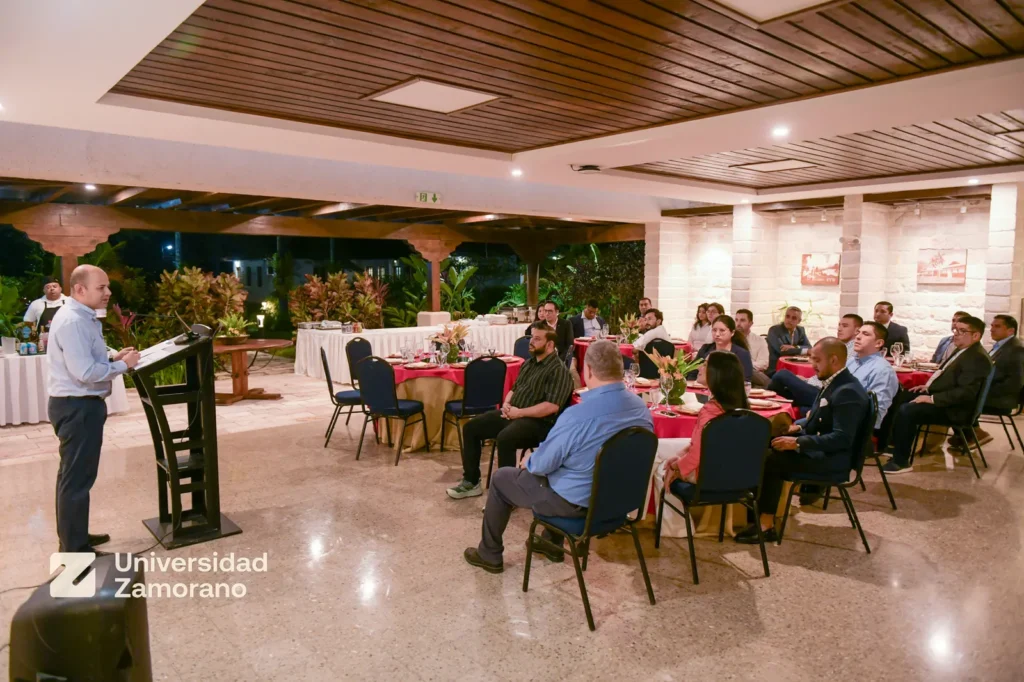
From November 1–7, participants gathered at Zamorano University's campus in Honduras for PIDA 2026 International Week, an immersive experience that marked the conclusion of the program. The week brought classroom learning to life through specialized sessions, hands-on activities rooted in Zamorano's Learning-by-Doing educational model, technical visits, and opportunities for professional exchange.
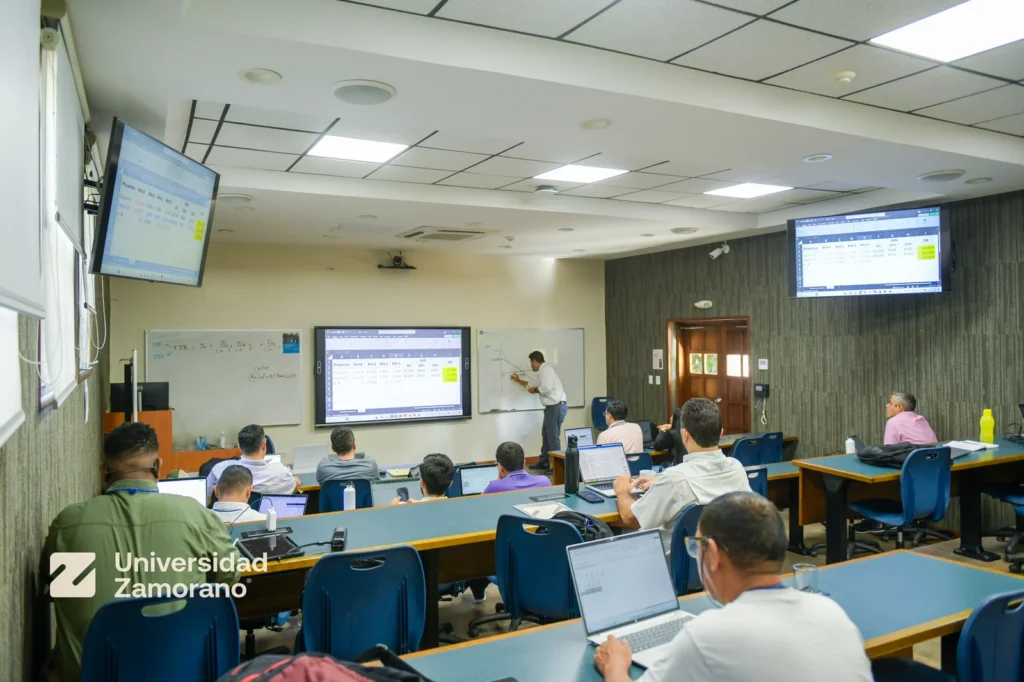
The on-campus program featured specialized modules in agribusiness marketing, financial management and performance control, and data analytics for business decision-making. These sessions allowed participants to explore strategic and financial tools relevant to agribusiness management while building on the knowledge gained throughout the program.
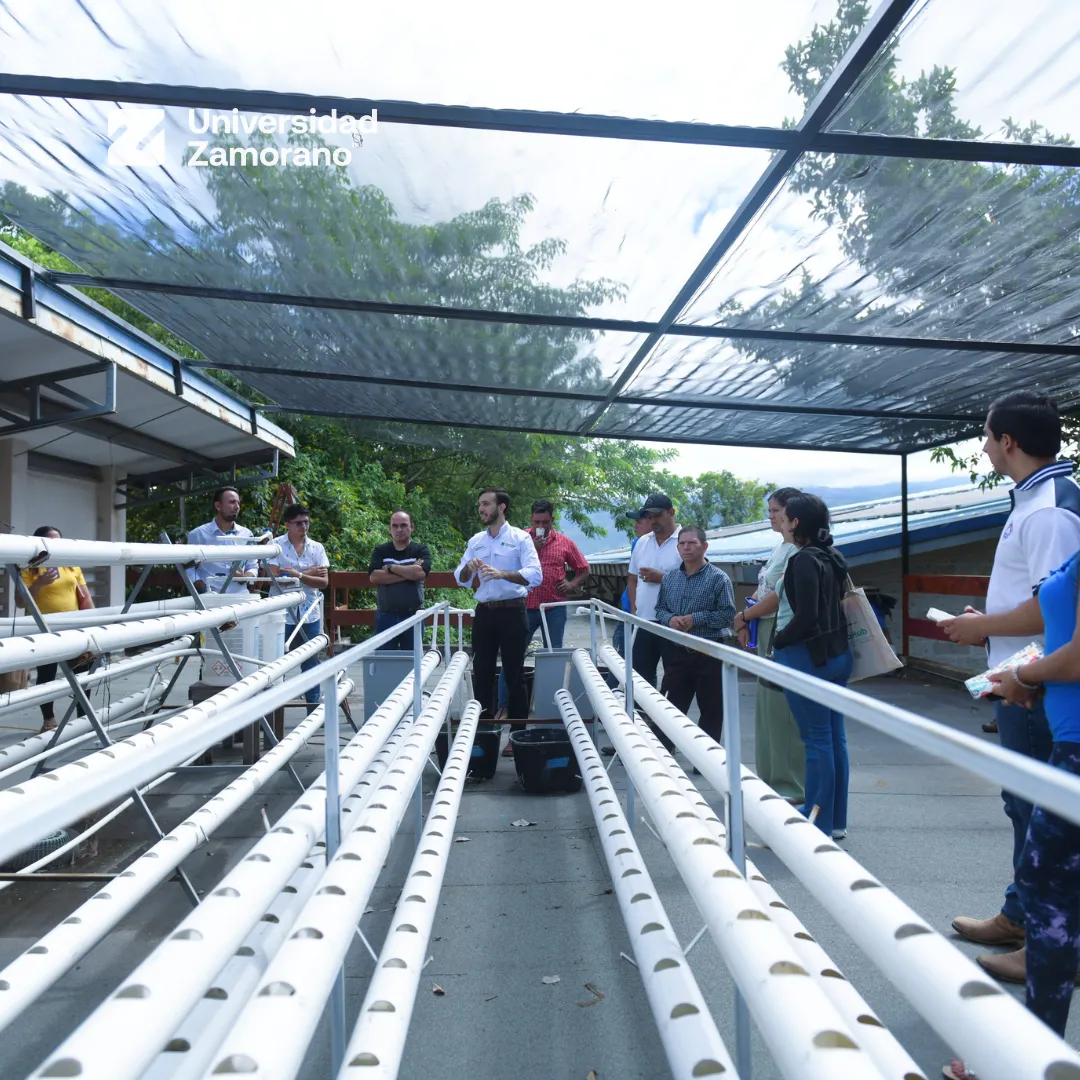
As part of their hands-on learning experience, participants toured several of Zamorano University's production and processing facilities. At the Dairy Plant, they took part in cheesemaking activities, while at the Food Processing Plant, they learned about jam and fruit preserve production. They also visited the Seed Plant to gain insight into its operations and activities.
The schedule also included a technical visit to Honduras American Tabaco, S. A. (HATSA), in Danlí, offering a firsthand look at a business operating within Honduras' agroindustrial sector. Participants also enjoyed a hiking experience at the Cerro Uyuca Biological Reserve, providing an opportunity to explore the region's natural environment.
Together, these activities bridged academic concepts with real-world experiences in production, food processing, and agribusiness management, highlighting the value of Zamorano University's Learning-by-Doing educational model in preparing professionals for the industry.
International Week also created opportunities for participants from different countries to exchange knowledge, share professional experiences, and explore new perspectives, strengthening regional connections and opportunities for collaboration across Latin America's agribusiness sector.
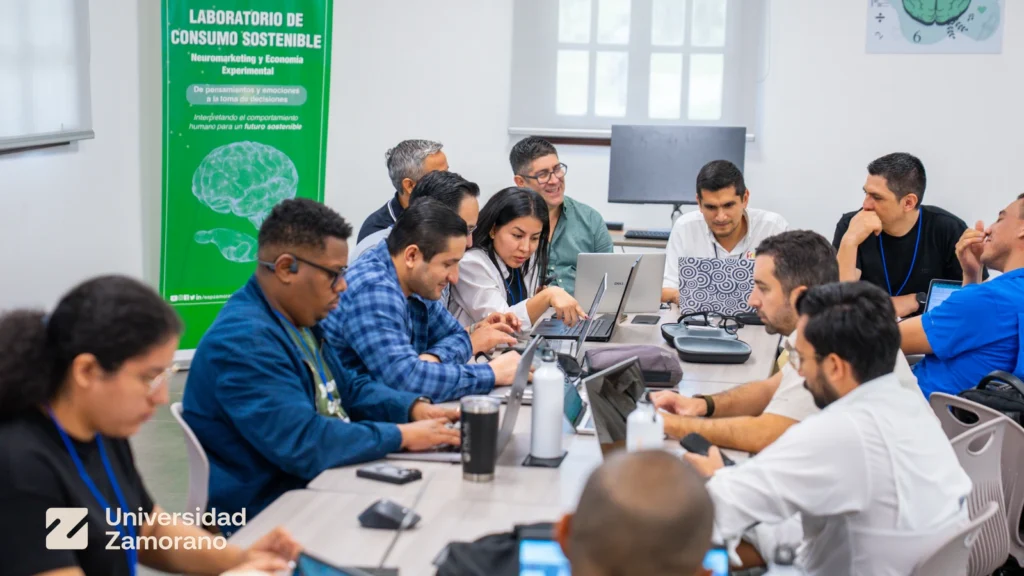
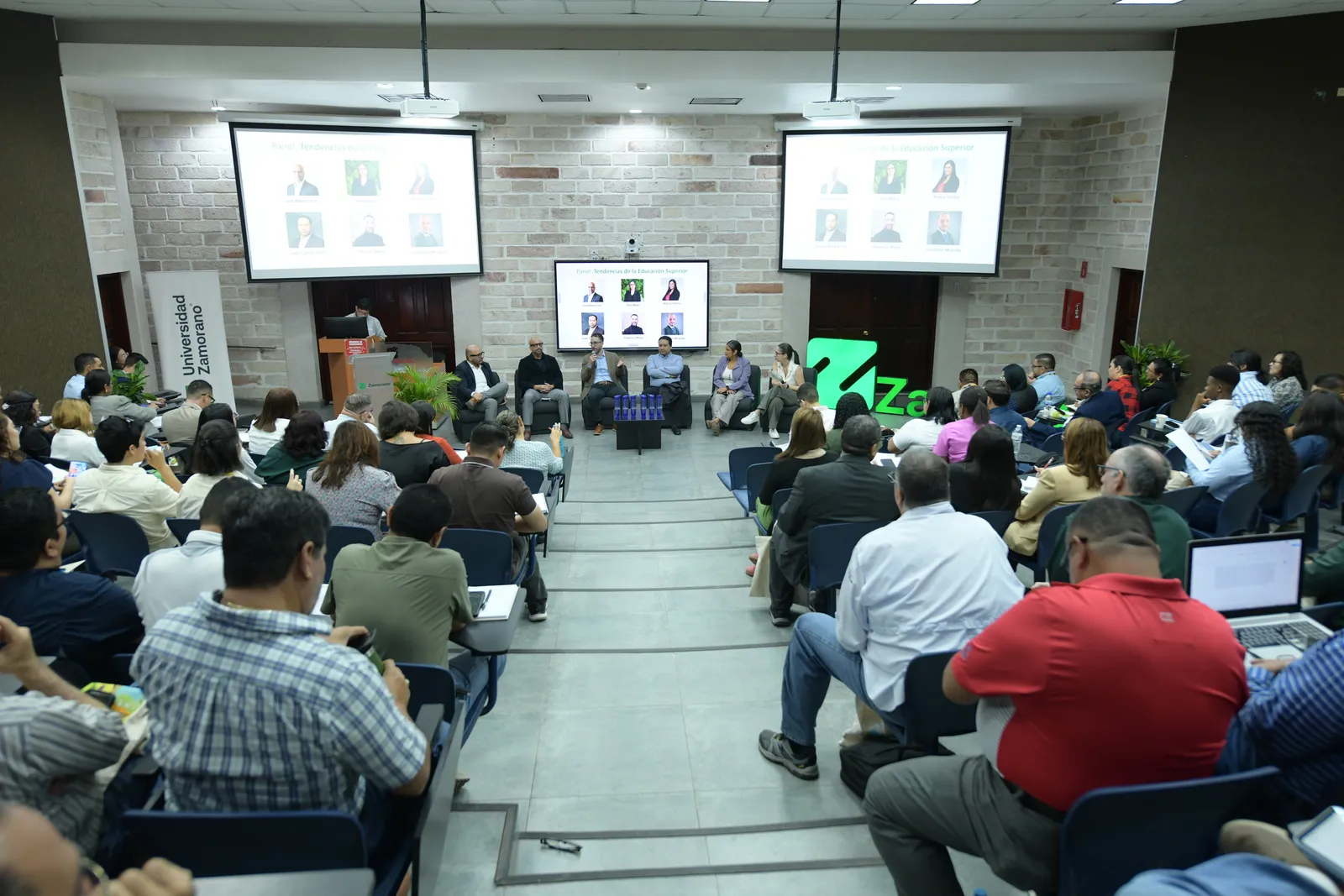
Faculty from Zamorano University, ESPOL, and ESPAE further enriched the academic experience by bringing together specialized expertise and complementary perspectives on the challenges and opportunities facing the industry.
Through PIDA, the three institutions reaffirm their commitment to international academic collaboration and high-quality executive education, developing the leadership, innovation, and strategic management capabilities needed to drive competitiveness and sustainability in Latin America's agribusiness sector.
 English
 Spanish