
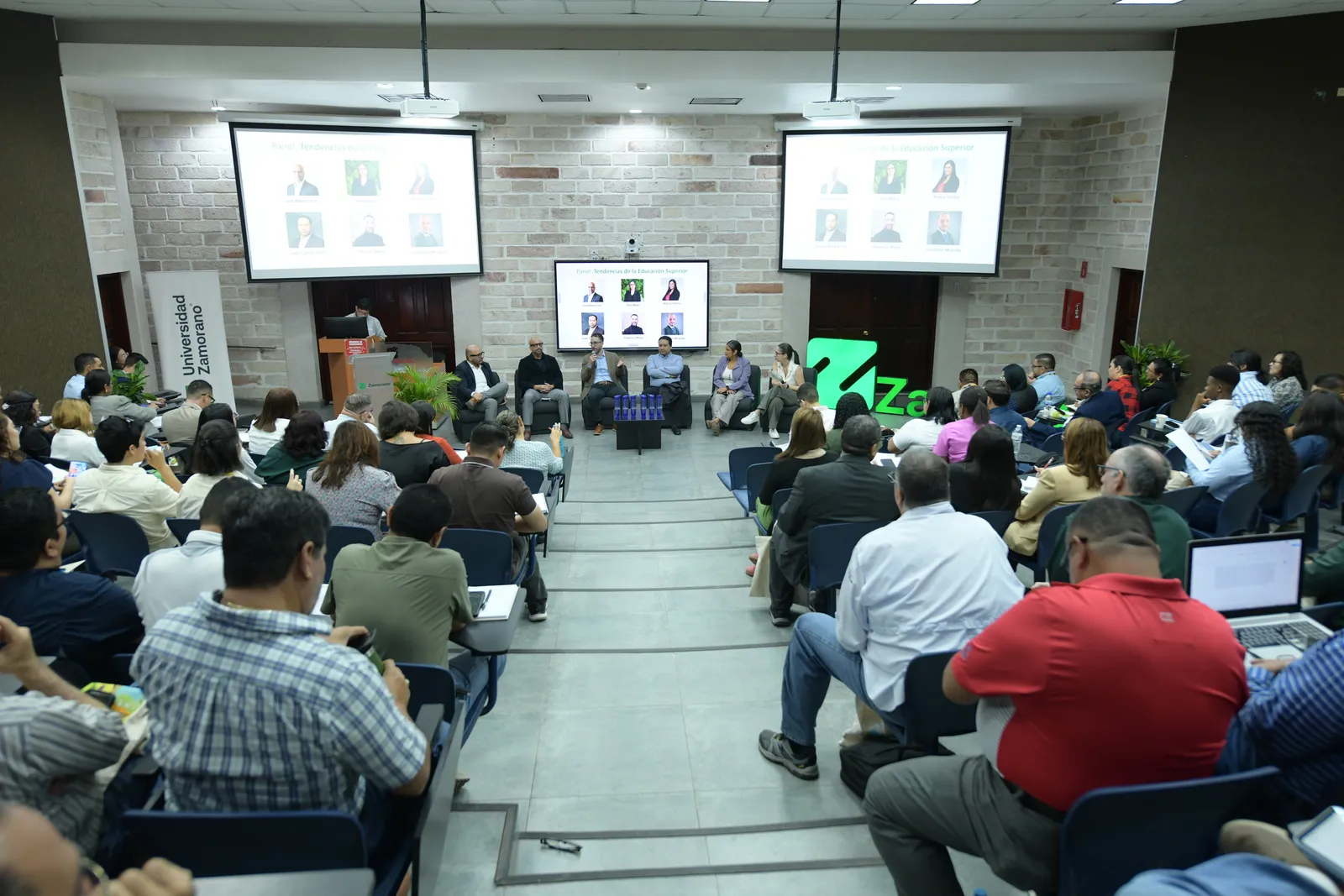
Zamorano University hosted the eighth edition of its Teaching Best Practices Forum, bringing together educators to exchange ideas, explore innovative teaching approaches, and advance excellence in higher education. Held on October 23, 2026, at the Zamorano University campus, the event focused on the theme “Innovating to Transform Education: Artificial Intelligence and Active Learning Methodologies” and welcomed faculty members and representatives from 10 universities across Honduras.
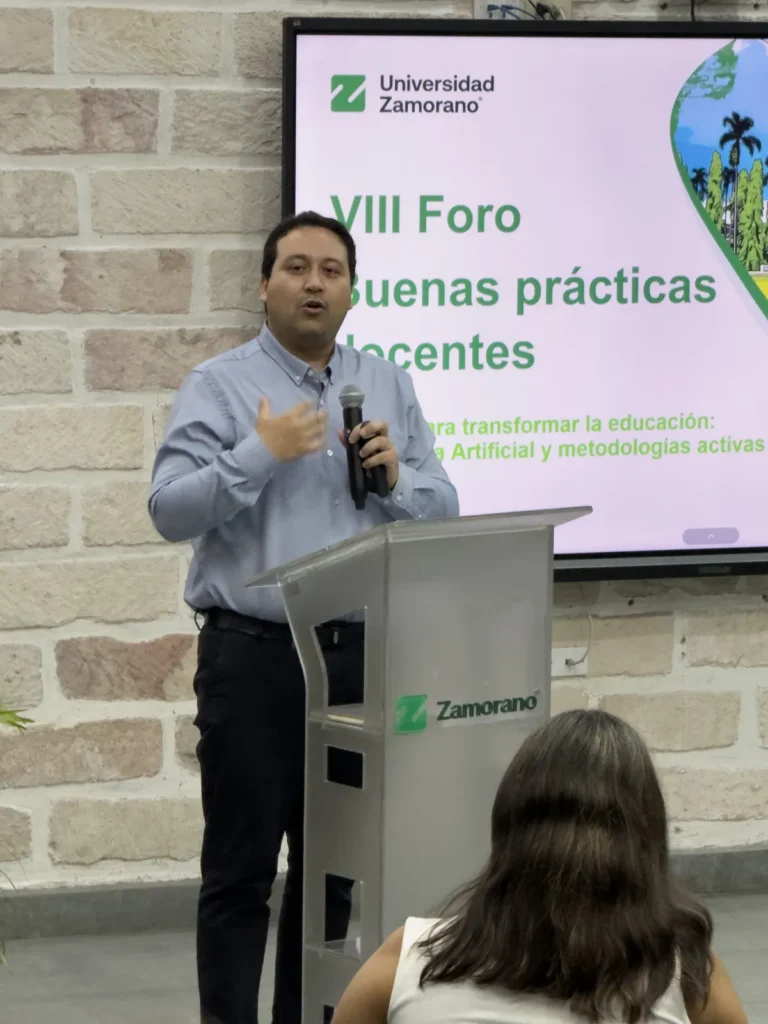
The forum featured five international speakers who shared their expertise, experiences, and perspectives on the opportunities and challenges of integrating artificial intelligence into education. Discussions also highlighted the importance of active learning strategies in creating more engaging, meaningful learning experiences that encourage critical thinking and student participation.
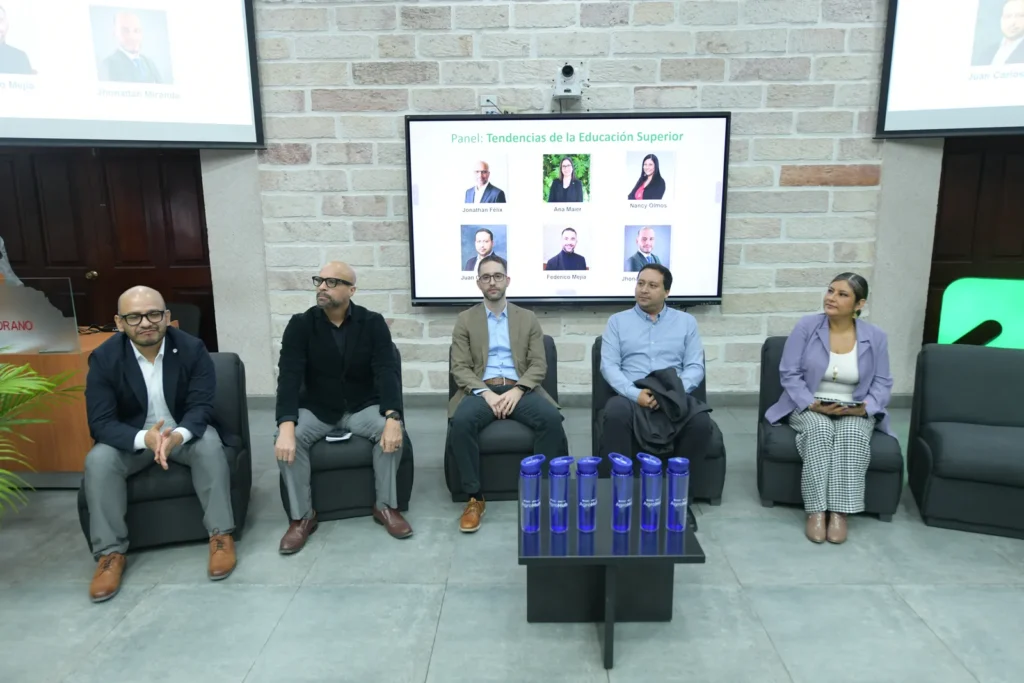
Featured presentations included “The University in Transition: Designing Education in the Age of AI” by Jhonattan Miranda of Tecnológico de Monterrey and “From Information to Wisdom: Using AI to Think Better” by Jonathan Félix, a Fulbright Specialist affiliated with the U.S. Embassy. Both sessions explored the changing landscape of higher education and the potential of artificial intelligence to strengthen critical thinking and reshape how students learn.
Additional speakers included Federico Mejía of Turnitin, who presented “AI Designed for Learning”; Juan Carlos Silva of the Centre for Agriculture and Bioscience International (CABI), who discussed “Artificial Intelligence and Scientific Evidence: New Skills for Higher Education”; and Nancy Olmos of Blackboard, who delivered “From Outcomes to Evidence: Making Learning Visible in the Age of Artificial Intelligence.”
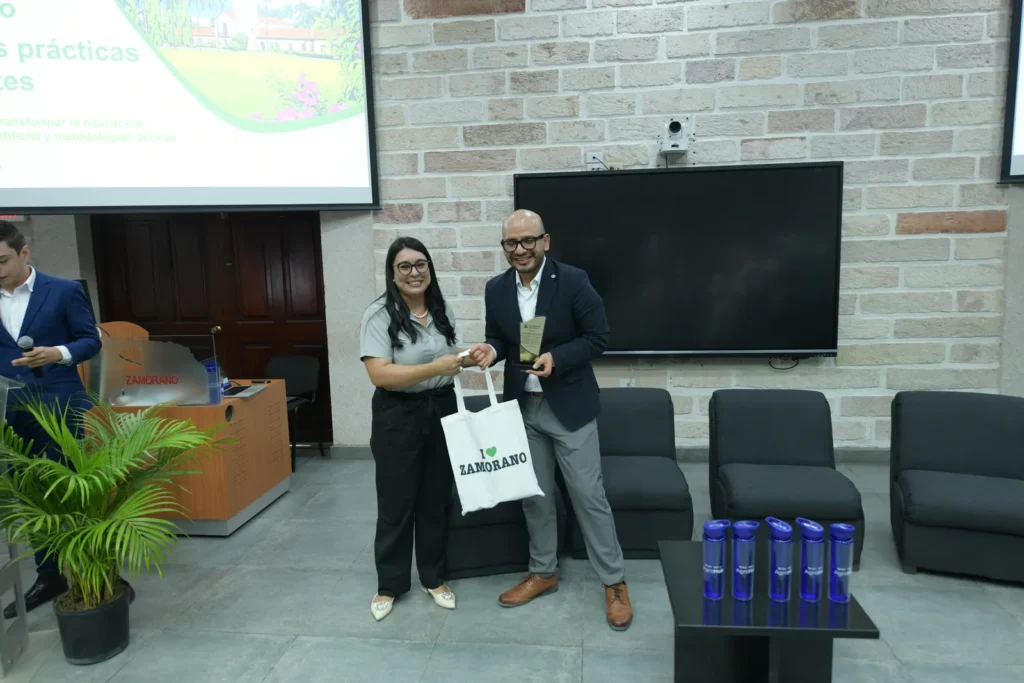
As part of the program, Zamorano University faculty members showcased 15 successful teaching strategies implemented across classrooms, laboratories, and hands-on learning modules. These presentations highlighted practical approaches that combine innovative teaching methods, digital tools, and student-centered strategies to encourage active participation and help students apply their knowledge to real-world challenges.
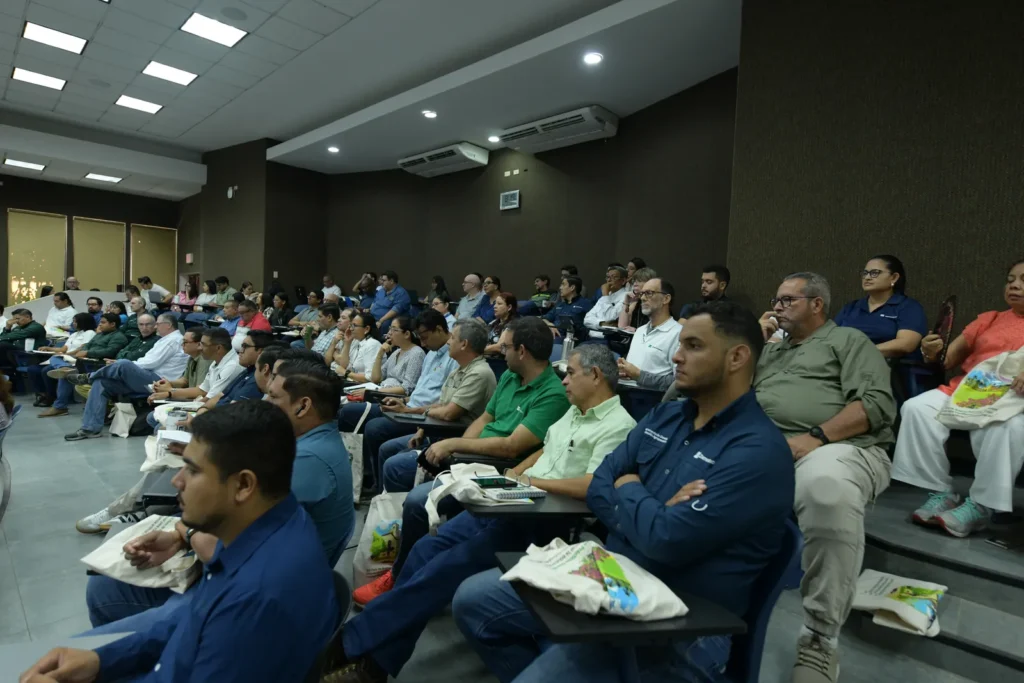
Through initiatives such as the Teaching Best Practices Forum, Zamorano University reinforces its commitment to academic excellence, continuous improvement, and educational innovation. By fostering collaboration and the exchange of effective teaching practices, the university continues to advance meaningful learning experiences that prepare students to navigate the evolving demands of higher education and the professional world.
 English
 Spanish